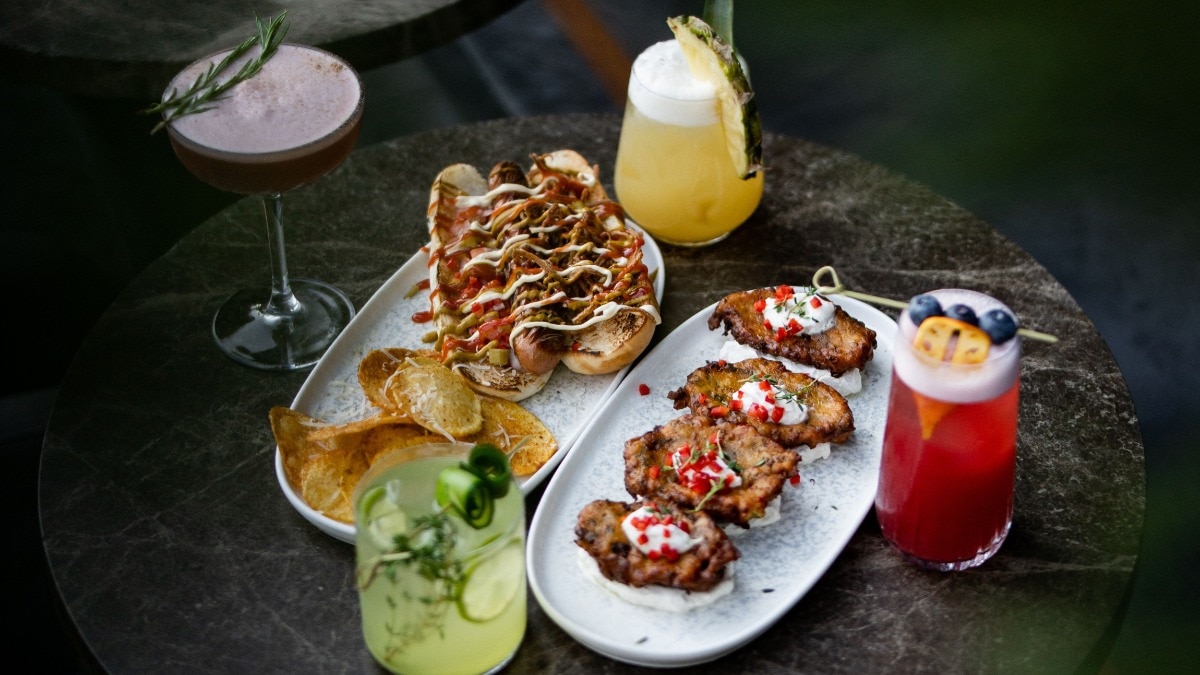
From Kejriwal babka, Amaranth Muesli to chilli bomb cheese, change your breakfast game with these new upgrades
2026's new breakfast game is here.

The 4 am club isn't what it used to be. Where once it signalled stumbling home from a rave, bleary-eyed and searching for greasy salvation, today's version looks radically different: sunrise yoga sessions, cold plunges, and breakfast bowls so photogenic they border on art. Welcome to 2026, where the party has migrated from the nightclub to the breakfast table, and India's youngsters are leading the charge with a level of nutritional scrutiny that would make our grandmothers proud.
This isn't just another wellness trend destined to fade like juice cleanses and activated charcoal. Post-Covid, something fundamental shifted in how millennials and Gen Z approach their bodies. The pandemic's harsh lesson—that health isn't negotiable—transformed "eating well" from Instagram performance to genuine lifestyle philosophy. The result? A generation that can discuss glycemic indices as fluently as they once debated craft beer.
The indigenous ingredient renaissance
Perhaps the most fascinating element of this shift is the wholesale embrace of ingredients our grandparents never stopped eating. Millets, amaranth, jowar, ragi—grains that spent decades dismissed as "poor people's food" while India's aspirational classes reached for imported quinoa—are experiencing a spectacular comeback.
Take jowar (sorghum), the gluten-free millet that's become the darling of artisanal bakeries. Packed with dietary fibre, protein, and antioxidants, it has a low glycemic index, making it particularly effective for blood sugar management. More importantly, these indigenous grains offer something imported superfoods cannot: sustainability. Agriculturally adapted to India's climate and soil for millennia, they require less water and fewer pesticides and support local farming economies. Choosing them is a quiet form of environmental activism, often present at the table as a breakfast wrap.
For many, the switch isn't purely based on trend or mob mentality. The evidence shows itself quite literally. Chronic inflammation reduced, digestive issues resolved, energy levels stabilised—whether it's cutting gluten, embracing plant-based eating, or simply swapping white rice for brown, younger consumers report tangible improvements in daily living.
When indulgence meets intention – The new bread and cookies
But here's where this movement gets interesting: the new conscious consumer refuses to choose between pleasure and wellness. They want their breakfast to be nutritious and crave-worthy. Instagram-ready and still genuinely satisfying.
Now keep this insight in mind and think of innovations like millet bread that actually tastes remarkable—not virtuous, but downright gobble-worthy. Kadhali's version, crafted with jowar, sama, jaggery, almond flour, chia, and olive oil, delivers on the promise of sustained energy without the bloat. It's bread you'd choose even if you weren't trying to be healthy, which is precisely the point. On the flip side, they also offer a pancake mix, made with raw banana flour, coconut sugar, and cinnamon. You can choose to either go sweet: serve with date caramel, fresh seasonal fruits, and coconut yoghurt for an indulgent yet gut-friendly breakfast. Or opt for savoury: pair with avocado mash, cherry tomatoes, and toasted seeds for a nourishing gluten-free brunch plate.
If guilt-free indulgence is on the agenda, know that that is exactly what drives Skinny Bakes' gooey chocolate cake made with ragi, jowar, ground almonds, and unsweetened cacao. Yes, that means no butter, no refined sugar, yet somehow still genuinely indulgent. Pair their pistachio cookies with afternoon chai, and you've got snacking that doesn't guilt you into eating five healthy (read: also kinda boring) meals later to make up for it.
Nostalgia, reimagined – The new chai time snack
Then there's the delightful trend of childhood favourites getting sophisticated makeovers. Maska Bakery's founder, Heena Punwani, admits to creating her Maska Bourbon: dark chocolate shortbread with dark chocolate frosting, "for purely selfish reasons." The original bourbon biscuits she loved during summer reading sessions with Enid Blyton had become too cloyingly sweet for her adult palate. So she fixed it, using high-quality chocolate to create something that honours the memory without the sugar crash.
For those who aren't quite on board with sweets, Maska’s spring roll puff is an interesting cross between the Indian-Chinese and Thai spring roll. It has a super-flaky and crunchy puff and is filled with an Indian-Chinese-inspired filling. The spring roll is topped with sesame and a peanut-soy glaze and served with a Thai sweet chilli sauce made in-house.
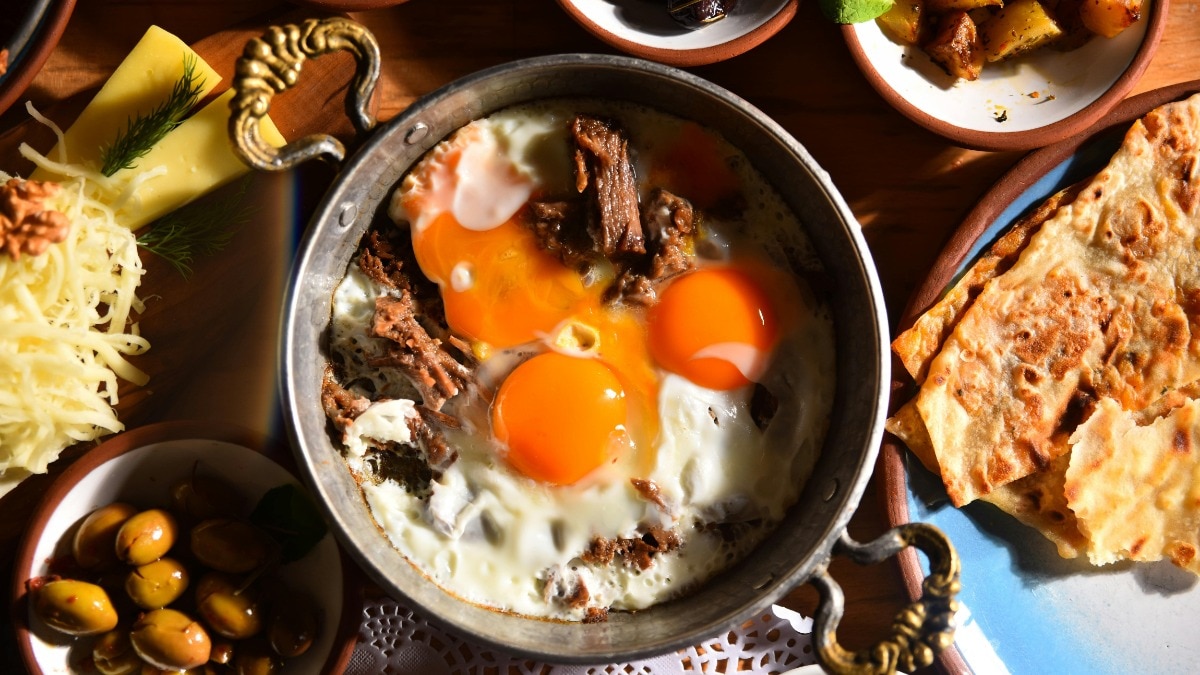
Her most ingenious creation might be the Kejriwal Babka, born from a specific kind of millennial laziness: craving The Bombay Canteen's legendary eggs Kejriwal on her days off but lacking motivation to make the chutney and cheese from scratch. Solution? A savoury brioche babka pre-swirled with chutney and cheese, ready to transform into the dish in minutes.
Building better bowls - The new muesli
In this day and age, you obviously cannot ignore the mighty breakfast bowl, a canvas for intentionality. Nourish Organics' Amaranth Muesli centres on the pseudo-grain, often called the locally available cousin of quinoa. Except amaranth's nutritional profile sometimes surpasses that of its trendy South American relative. Mixed with almonds, raisins, cashews, sunflower seeds, honey, dates, vanilla, and cinnamon, it offers a naturally nutty crunch without tasting like bird feed.
And for those who prefer their breakfast bowls with a more fruit-forward, beach-club energy, Acai By The Bay is bringing açai culture firmly into the breakfast conversation. Their passionfruit açai bowl delivers a tart, tropical hit that feels especially designed for Mumbai’s wellness crowd, while the Dubai kunafa açai bowl, topped with mango and berries, taps directly into the city’s obsession with indulgence-meets-health. For the Hailey Bieber smoothie loyalists, their menu also nods to globally viral wellness aesthetics, proving that breakfast bowls today are as much about cultural fluency as good nutrition.
Their organic chia seeds speak to another trend: simple, versatile ingredients that work hard. Rich in omega-3s, fibre, and plant-based protein, chia seeds satisfy the generation that wants nutrition you can quantify. Soak them overnight for pudding, blend into smoothies, sprinkle over yoghurt; their versatility is exactly what makes them efficient, without being a “compromise”.
The new milk and cheese
Even cheese is getting the conscious treatment. Darima's artisanal range spans from classic gruyere to their chilli bomb, a cheese that transforms breakfast plates with proper heat and depth. Meanwhile, Monique's Californian tartine brings brunch-culture sophistication: smashed avocado, candy tomatoes, feta mousse on preservative-free, house-made bread, finished with homemade honey-chilli granola. It's the kind of dish that understands its audience: people who want their food to look gorgeous, be nourishing and genuinely delicious, all at once.
And if artisanal cheese is not quite your idea of a mouth-watering, you can opt for a non-dairy option, such as the Break of Dawn’s freshly made Date Almond Milk, including both their in-house natural almond milk and date almond milk, and a platter of their plant-based cheeses. An absolute indulgent feast for a vegan and anybody who is interested in exploring plant-based alternatives. Their breakfast line-up also extends well beyond dairy alternatives, with Dawn Fuel coffees spanning Original Cold Coffee, Turkish, and Mocha for those who like their mornings caffeinated with range, alongside matcha chia pudding, morning misu oats, cacao bliss balls, and almond butter that make plant-based eating feel far from restrictive.
The morning after the night before
What's fascinating about this shift is what it reveals about changing social priorities. The late-night party scene that defined millennial youth culture for decades is noticeably quieter. Not dead, but definitely less central. Today's social capital comes from different sources. Think 6 am workout classes, the farmers' market haul, or even the perfectly composed breakfast spread.
There's something almost quaint and paradoxical about this generation's rebellion: going to bed early, eating their vegetables, and genuinely caring about gut health. In a way, all of our childhood admonishments have now become our goals. But perhaps that's precisely the point. In a world that feels increasingly chaotic and uncontrollable, taking radical ownership of what goes into your body becomes a form of power in itself.
The breakfast revolution of 2026 isn't about deprivation or virtue signalling. It's about a generation that decided they're worth the effort, worth the extra minutes to make chia pudding, worth seeking out millet bread that doesn't taste like cardboard, and worth paying more for artisanal cheese. They're eating with intention, not because it's trendy, but because it genuinely feels better. And if that means swapping tequila shots for amaranth bowls? Well, your liver will thank you.
Lead image: Pexels
Also Read: 3 perfect morning to night places for a memorable date in Mumbai
Also Read: Around the world in cafés that elevate local ingredients