Are we finally getting more realistic about love?
Modern relationships are trading grand illusions for emotional honesty, financial stability, and practical lives aligned with changing times.

There was a time when love stories survived on fantasy alone. The airport chase, the dramatic confession in the rain, the idea that one person could somehow heal every wound and answer every emotional need. From The Notebook to How I Met Your Mother to almost every Shah Rukh Khan movie, pop culture spent years convincing us that true love was supposed to feel cinematic at all times. Even the chaos was romanticised. If-it-hurt,-it meant-it-mattered was the trope that was sold.
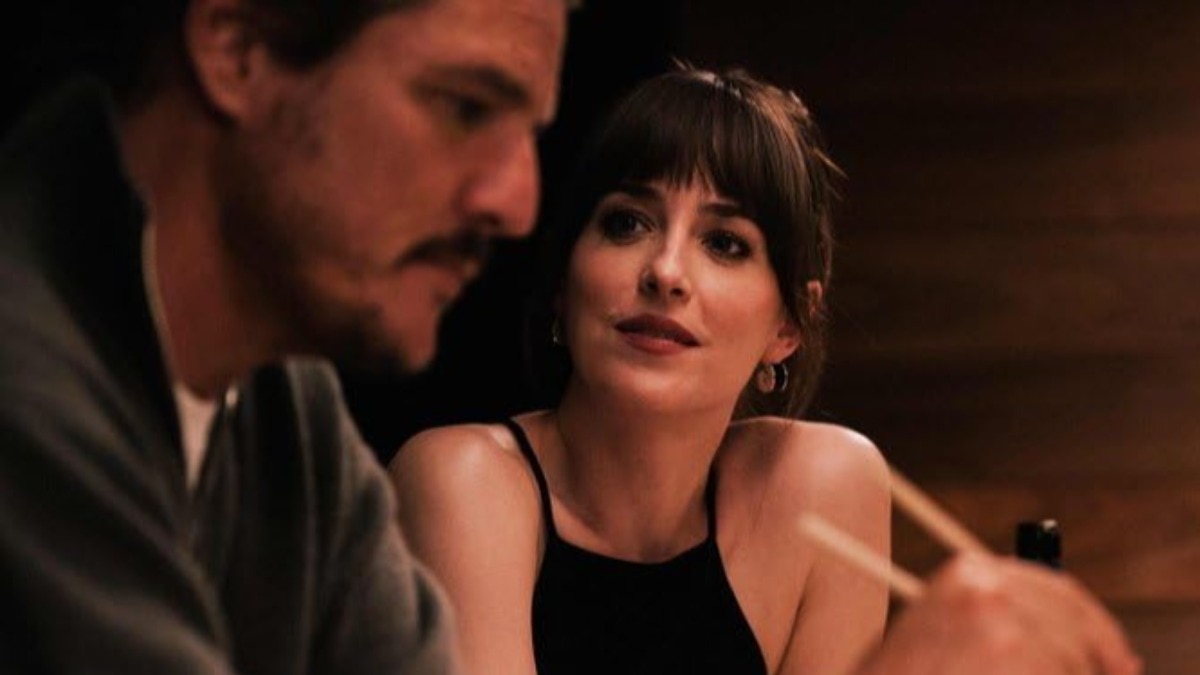
But somewhere between therapy-speak entering group chats, dating app fatigue, and people watching relationships fail in real time online, the fantasy has started to shift. Films like Materialists are already tapping into this new emotional landscape where love is no longer just about chemistry or destiny, but also timing, compatibility, emotional maturity, and practical realities. More people today seem willing to admit that love can be meaningful without being perfect. And strangely enough, that feels healthier, and not any less romantic.
This does not mean people have become cynical. If anything, many are simply less interested in performing relationships for the fantasy of it. The obsession with “couple goals” has faded a little because everyone has seen how curated relationships online can be. Long-lasting love now looks less like constant fireworks and more like consistency, showing up, being transparent, being emotionally available, knowing when to apologise, and knowing when to leave.
Part of this realism also comes from exhaustion. Modern life is expensive, overstimulating, and emotionally demanding. People are no longer expecting relationships to solve loneliness, insecurity, ambition, family pressure, and identity crises all at once. There is a growing understanding that a partner can support your life without becoming your entire life. And that is a huge emotional shift.
Maybe that is what modern romance is becoming now. It's not about finding someone flawless; it's more about finding someone willing to navigate real life and real problems with you. It is less obsessed with happily-ever-after, and more curious about what makes love sustainable in the first place.
And honestly, there is something comforting about that kind of love. It may not always look cinematic, but it is practical, makes life easier, and it definitely feels a lot more human.
Lead image: IMDb
Also read: What makes someone truly likeable at work today?
Also read: Morally grey characters aren't asking to be accepted, just understood