





ADVERTISEMENT
Can dark circles truly be erased?
Fact or fiction? The experts weigh in.


Blame it on late-night doomscrolling, chronic sleep debt, or genetics, but dark circles have become one of the most common beauty concerns amongst Indians. Truth bomb? According to a LocalCircles survey, 59 per cent of Indians reportedly sleep less than six hours a night, which means tired-looking under-eyes have comfortably become a lifestyle marker, rather than an occasional issue. Throw pigmentation-prone skin, stress, screen time, and genetics into the mix, and the obsession with fixing dark circles starts to make sense. But between caffeine serums, lasers, fillers, and viral skincare hacks, can dark circles actually be erased?
“Completely ‘erasing’ dark circles is more marketing than medicine,” says Dr Tanvi Mahale, cosmetology expert, Nuvana. In clinical practice, dark circles are often influenced by several factors, which also means that they cannot be permanently removed. “As a cosmetologist, the aim is significant: visible improvement, reducing pigmentation, improving skin texture, correcting volume loss, and enhancing uniform under-eye quality,” she says.
According to Dr Kiran Sethi, founder and medical director, ISYA Aesthetics, the word ‘erase’ is rarely used in dermatology and aesthetics, because dark circles are tied to one’s unique anatomy. She believes that a 50 to 70 per cent improvement is a highly successful clinical outcome. “Expecting 100 per cent removal is a recipe for disappointment, especially since ageing naturally thins the skin and increases hollowness over time.”
But before you go writing off your dark circles as permanent, it’s important to understand what they are and, more importantly, the underlying issue that may be causing them. “From a clinical standpoint, ‘dark circles’ aren’t a single diagnosis but rather periorbital hyperchromia—a complex combination of physiological factors,” explains Dr Sethi. “They are rarely caused by just one thing; instead, they represent a mix of vascular congestion (blood pooling), dermal melanin deposition (pigment), frictional skin damage, skin thinness, and structural shadowing caused by volume loss.”
To top it off, thin under-eye skin—a common concern with the Indian population—reveals the underlying vessels and muscles, which, according to the expert, can be very difficult to treat. “In my practice, most patients tend to have a mixed type of dark circles,” says Dr Sethi. Which is why understanding this complexity is key, because you can’t treat them the same way.”
Common Causes Of Dark Circles
Pigmentation
One of the most common causes, especially in Indian skin tones, is pigmented dark circles, often linked to excess melanin from genetics, sun exposure, or post-inflammatory hyperpigmentation. “Data shows that up to 50 per cent of dark circles in South Asian skin are due to pigment,” says Dr Sethi. Additionally, friction from constant rubbing can also lead to thickening and discolouration over time.
Thin Under Eye Skin and Vascular Visibility
The under-eye area is naturally delicate, but in many Indians, thinner skin makes the underlying blood vessels and muscle more visible, creating a bluish or purple-toned darkness. “If we stretch the skin and the colour improves, it is usually structural. If it stays dark or worsens, it points more towards vascular or pigmented causes,” explains Dr Sethi.
Hollowness and Structural Shadowing
Sometimes, what appears to be pigmentation could actually be shadowing caused by hollow tear troughs, volume loss, or facial anatomy. “Structural-type dark circles are caused by hollowness or shadowing linked to ageing or genetics,” says Dr Mahale. These tend to look deeper under certain lighting and are notoriously difficult to treat with topical skincare alone.
Lifestyle and Lymphatic Congestion
Of course, lifestyle practices such as lack of sleep, stress, dehydration, poor eating habits, and excessive screen time can all worsen under-eye darkness and puffiness. According to Dr Sethi, factors like poor lymphatic drainage and even ‘tech-neck’ can contribute to fluid retention and swelling around the eyes, making dark circles appear more pronounced.
Genetics
Genetics are a major blueprint for causing dark circles, especially for those with deep-set bone structures and congenital hyperpigmentation. That said, both experts agree that lifestyle changes are futile. “Lifestyle still matters. Optimising sleep, hydration, nutrition, and screen exposure can improve vascular and skin quality. While lifestyle changes may not completely reverse genetic predisposition, they can visibly reduce severity,” notes Dr Mahale.
Treatments: Topicals and In-Clinic Treatment Versus DIY
When it comes to treating dark circles, generic eye creams won’t do much. “You need evidence-based heavy hitters,” says Dr Sethi, who recommends hesperidin and vitamin K for vascular darkness, retinol for thinning skin, and vitamin C, kojic acid, or alpha arbutin for pigmentation. Dr Mahale also points to niacinamide for barrier repair, caffeine for puffiness, and hyaluronic acid for hydration. The key, experts say, is choosing formulas specifically designed for the delicate eye area.
For more stubborn concerns, in-clinic treatments tend to be more effective. “Clinically proven treatments are designed to target the root cause at a structural and cellular level,” says Dr Mahale. According to Dr Sethi, fillers remain the gold standard for hollow tear troughs. At the same time, treatments like Ultherapy, MIFU, Q-switch lasers, PicoSure, chemical peels, PRP, and microneedling can improve pigmentation, collagen production, and thin, crepey skin.
As for DIY remedies, both experts are cautious. “Home remedies do not address the underlying cause,” warns Dr Mahale, noting that ingredients like lemon juice or baking soda can worsen pigmentation and irritate the fragile under-eye area. Dr Sethi adds that while caffeinated tea bags may temporarily reduce puffiness by constricting blood vessels, cold compresses are about as far as home remedies should go. “Don’t expect a kitchen ingredient to do the work of a medical-grade active,” she says.
Here are some effective eye treatment creams to stock up on.
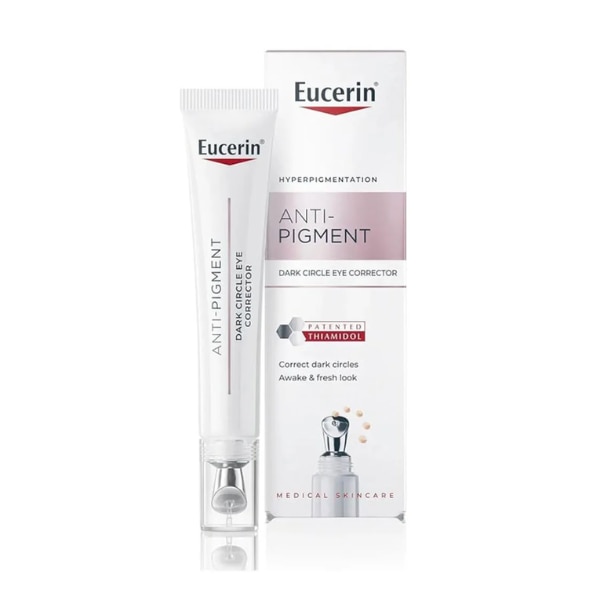
Eucerin Anti-Pigment Dark Circle Eye Corrector Serum, ₹2,035
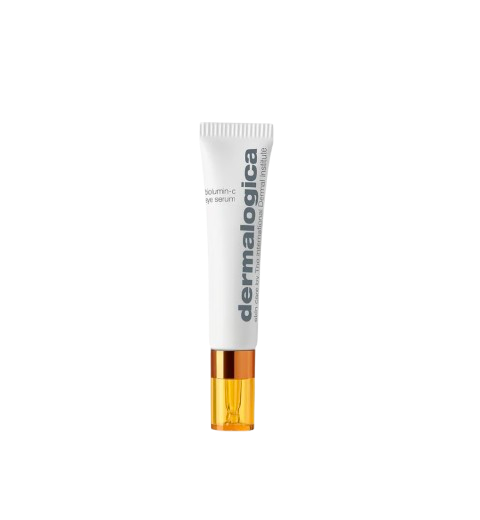
Dermalogica Biolumin-C Eye Serum With Vitamin C, ₹5,400
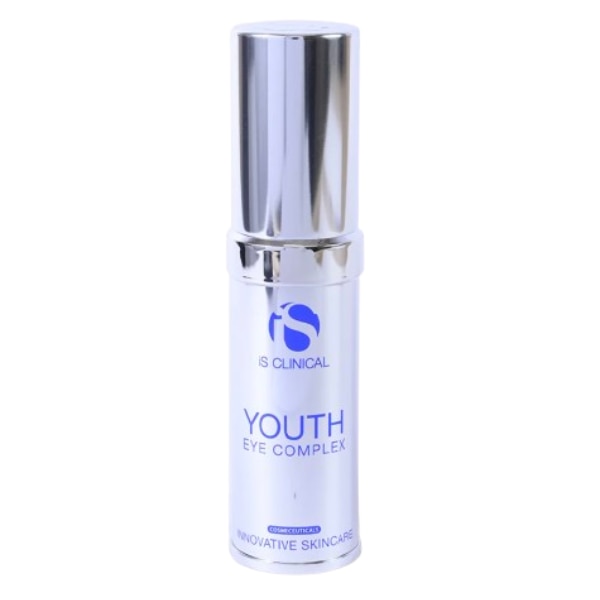
iS Clinical Eye Complex, ₹11,710
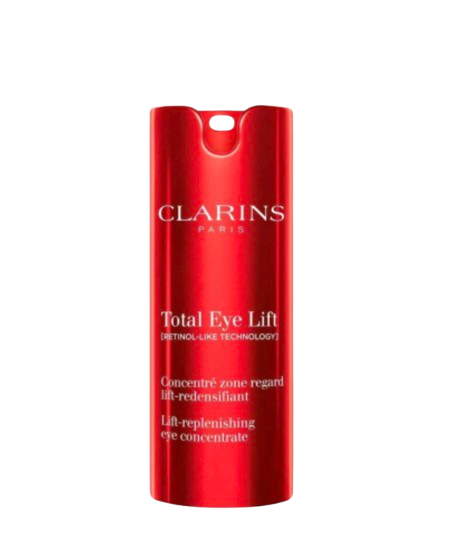
Clarins Total Eye Lift, ₹5,400
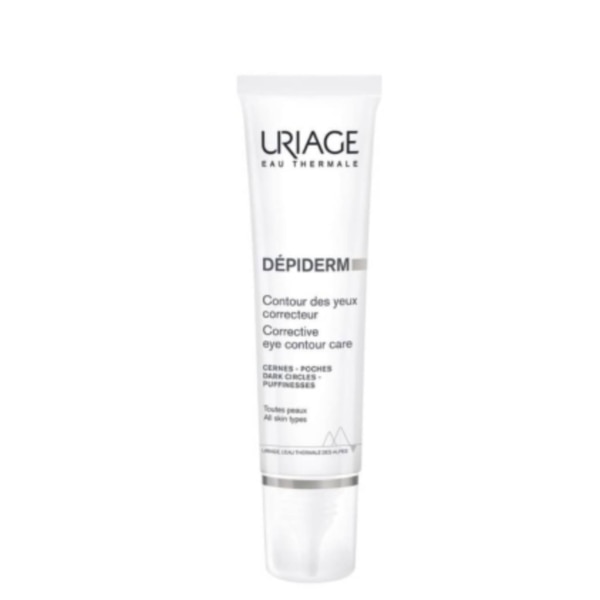
Uriage Depiderm Eye Cream, ₹1520
Aminu Eye Serum, ₹1,850

All images: Pexels, featured brands
Also Read: Are bare nails the new wealth indicator for high-net-worth women?
Also Read: Tinted moisturisers with SPF for a fuss-free summer skin routine
ADVERTISEMENT
Must Read










ADVERTISEMENT