




ADVERTISEMENT
Dressed in natural diamonds: The new red carpet language
The red carpet used to be about more. Now, it's about meaning, and natural diamonds have the spotlight.

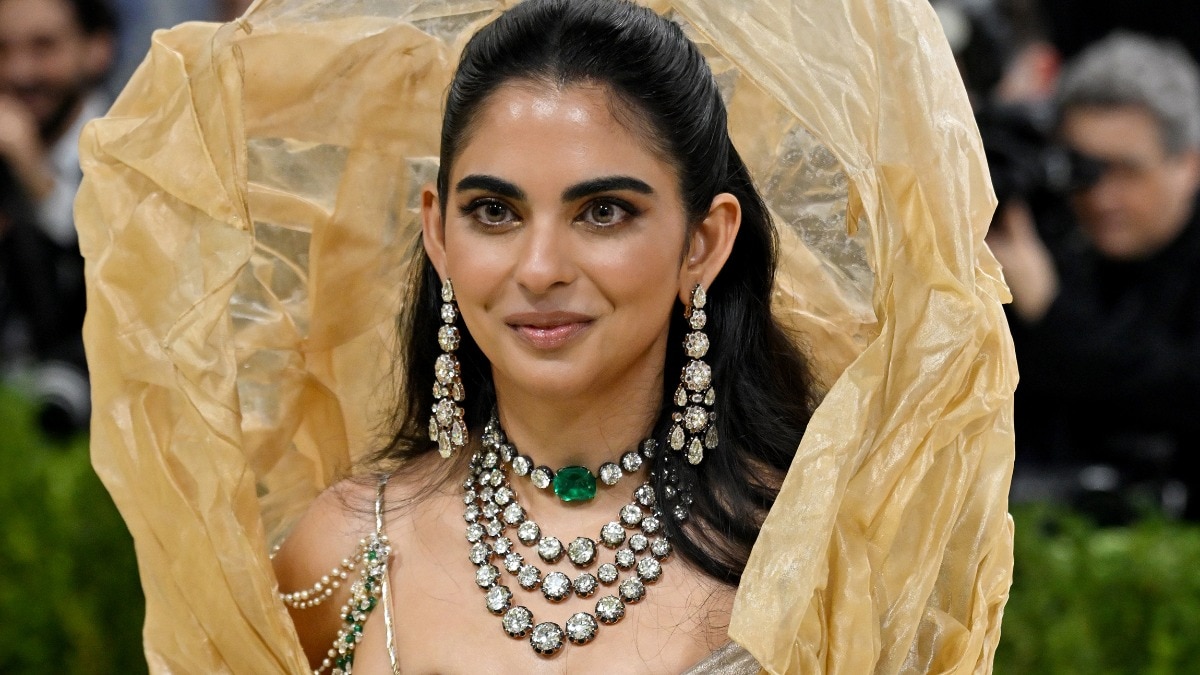
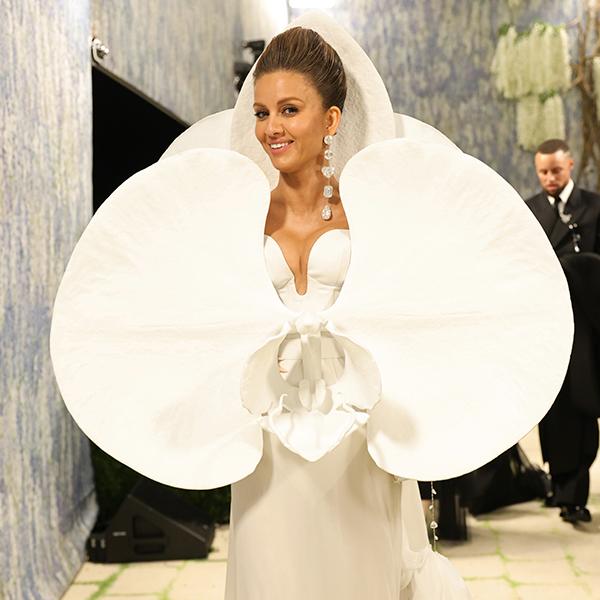
At this year's Met Gala, the dress code was ‘Fashion is Art’. And while many interpreted that brief through couture, sculpture, and spectacle, the Indian guests made a different kind of statement.
Isha Ambani arrived layered in over 1,800 carats of jewels, with dazzling heirloom diamonds from her mother's personal collection woven directly into her look. Natasha Poonawalla wore diamond drop earrings that didn't match, intentionally. And Princess Gauravi Kumari of Jaipur stepped out in her grandmother's vintage sari reimagined as a gown, with the diamonds and pearls of another era reframed entirely to resonate with the present.
Three looks, three different approaches. But they all carried the same idea: On the red carpet, the diamonds were never just the finishing touch. They were always the point.
From Grandeur to Intention
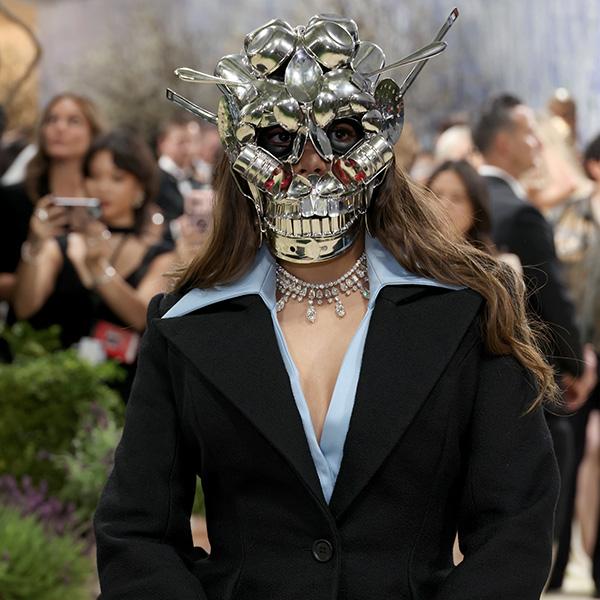
Celebrity stylist Shaleena Nathani has built some of the most coveted red carpet looks in recent memory, and the way she talks about diamonds today tells you where the conversation has landed. "I don't think we are taking them so ‘seriously’ anymore," she says. "We're using diamonds in a more fun way by layering and stacking them. I try and play around with it and mix things up." The Met Gala reflected exactly that shift. Natasha Poonawalla turned heads with an asymmetric jewellery choice, while Ananya Birla let her diamonds sit as punctuation, with a sculptural black gown and stainless-steel mask doing the talking. The restraint was just as deliberate as the excess.
Celebrity stylist Namita Alexander frames this as a move toward something more personal. "Natural diamonds on the red carpet have shifted from overt displays of grandeur to more intentional, design-led statements," she says. "Today, it's less about size and more about how the piece interacts with the personality, silhouette, and storytelling of the look." In practice, that translates to a rivière worn as a choker, a diamond pendant dangling from a velvet chain, and asymmetry chosen over symmetry. "I'm often styling diamonds as an extension of the client's identity," she adds. "It's layered, unexpected, and sometimes even quietly subversive."
It’s clear that the rules of red-carpet diamonds have been rewritten. And the new ones are far more interesting.
When Sparkle Sets the Brief
Whether the diamond leads or steps back, everything else answers to it. And nothing proved this quite like Isha Ambani at the Met Gala. The jewellery wasn't chosen to complement the saree. Instead, her mother's heirlooms shaped every decision, from blouse construction to drape.
It's also a logic that fashion designer Nikhil Thampi builds into his process, right from the first sketch. "Jewellery is never an afterthought on the red carpet," he says. "I often begin with a mood or a woman in mind, and jewellery becomes part of that narrative. If the diamonds are meant to lead, the garment becomes the perfect supporting actor. But if the outfit is doing the talking, then the jewellery becomes punctuation rather than a paragraph. Diamonds are incredibly decisive. They don’t like competition, so they force clarity in design. In many ways, they edit you as a designer and make you ask: what is essential here? And that's always a good question to be forced to answer."
The Heirloom Effect
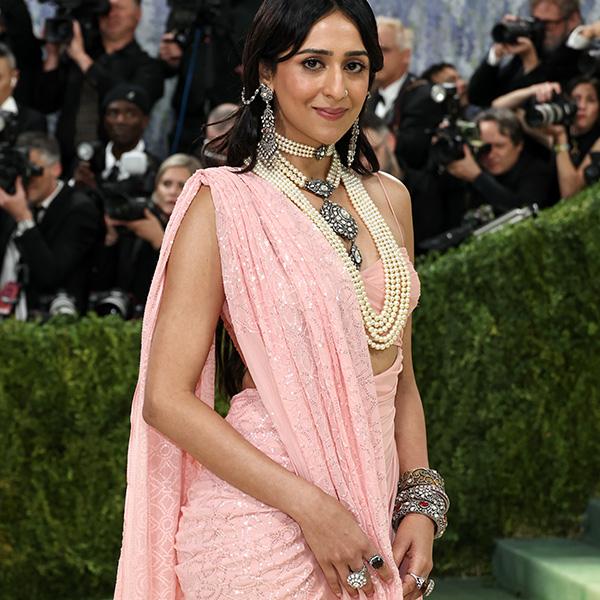
The most interesting shift on red carpets right now is generational. A new wave grew up watching their mothers define iconic looks, and now they're building their own. Like heirloom stones in sharp, modern settings and heritage pieces paired with sculptural silhouettes. It’s history, now worn on their own terms. Princess Gauravi Kumari’s look echoed this, with her grandmother's sari and her family’s diamonds, worn her way.
"Younger celebrity clients gravitate toward pieces that feel lighter, more directional, and often layered or styled in unexpected ways, rather than the traditional more-is-more approach. They enjoy breaking the rules," explains Namita.
For Nikhil, this reflects something that natural diamonds carry by design. "No two stones are identical, and that inherently aligns with the idea of personal style," he says. "Whether it's a sharp, modern ear stack or a vintage heirloom piece worn with a contemporary silhouette, diamonds allow you to tell a story that feels entirely your own. They don't dilute identity. They sharpen it."
The Only Constant
Some things stay relevant by staying current. Natural diamonds have earned their place by being irreplaceable. For Shaleena, it comes down to something she's watched hold true across every era. "I don't know what it is about diamonds that uplifts an outfit. I don't think there are very many other stones that can do that", she says.
Namita points to what they carry beyond what the eye sees. "Natural diamonds have endured because they hold both cultural legacy and intrinsic value. They adapt effortlessly, without losing their significance."
And for Nikhil, the benchmark in design has a very specific definition. "Diamonds have this rare ability to belong everywhere - royalty, cinema, rebellion, minimalism. From a design lens, that’s the ultimate benchmark: evolution without compromise."
As the red carpet continues to reinvent itself, natural diamonds, too, will keep doing what they've always done. They’ll show up, fit in everywhere, belong to no single era and every one of them, all at once.
Images: Getty Images
Also read: A glance at the most iconic Cannes looks by Indian celebs
Also read: Fast-fashion at the MET? Groundbreaking
ADVERTISEMENT
Must Read


ADVERTISEMENT