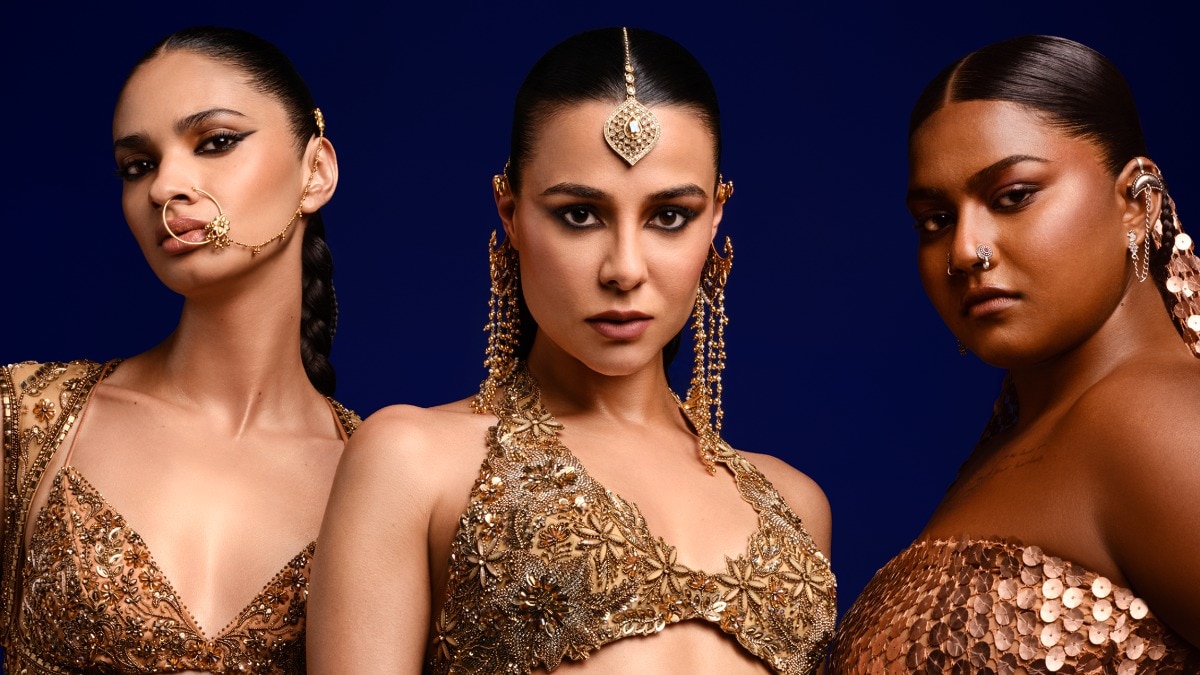
Lakmé Fashion Week 2026 proved runway fashion can be wearable too!
The runways offered a glimpse into the future of Indian ready-to-wear.

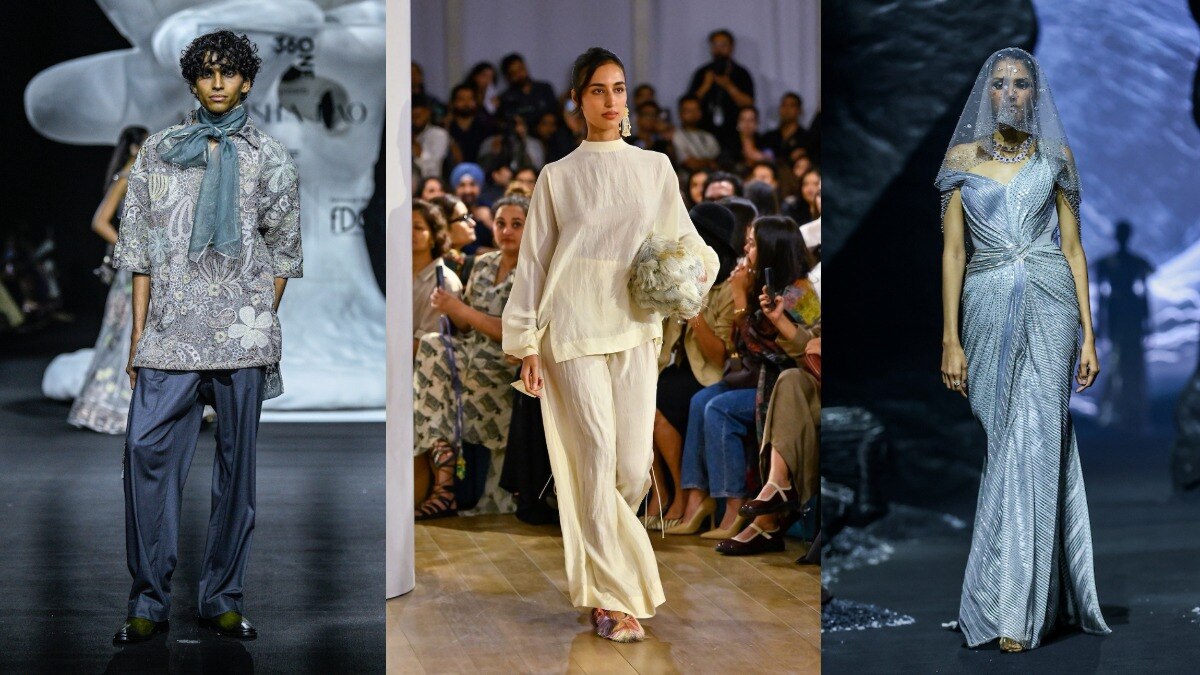
Lakmé Fashion Week 2026 proved wearable fashion is having a moment. If Lakmé Fashion Week has always been a reflection of where Indian fashion is headed, its 2026 edition made one thing clear: clothes are becoming more wearable, thoughtful, and perhaps a little experimental. Held in Mumbai from March 19 to 22, the 26th edition of Lakmé Fashion Week in partnership with the Fashion Design Council of India brought together more than 30 designers across four days of runway shows.
While the event may not yet garner the same global spotlight as recent international fashion weeks, it remains one of the country’s most important fashion platforms. This season, the focus shifted away from extravaganza and toward clothing that feels relevant to everyday wardrobes. Designers leaned into ease, craftsmanship, and sustainability, presenting collections that felt as suitable for real life as they did for the runway. From recurring colour stories to sculptural silhouettes and a strong menswear showing, here are the trends that defined Lakmé Fashion Week 2026.
A season drenched in blue and white
If one colour combination defined the week, it was blue and white. The pairing appeared across multiple collections, proving surprisingly versatile on the runway. From indigo denim experiments to crisp tailored separates and evening gowns, the palette felt fresh without leaning into predictable nautical references.
Designers interpreted the pairing in distinct ways. Deep indigo tones surfaced in denim pieces and structured tailoring at Payal Pratap, while Abraham & Thakore explored the palette through clean, architectural separates and sari-inspired silhouettes. AFEW by Rahul Mishra brought the pairing into eveningwear territory with gowns that carried the designer’s signature attention to surface detail, while labels like Pawan Sachdeva and Péro by Aneeth Arora used indigo tones across their entire show.
Fashion you can actually wear
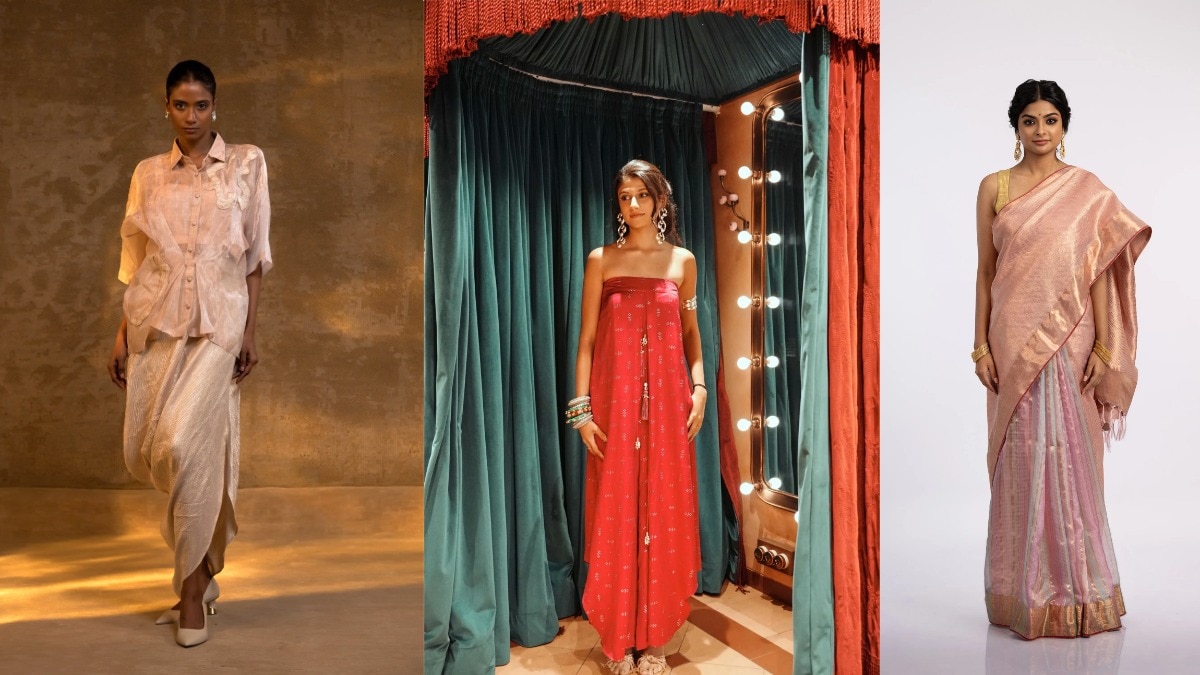
Perhaps the most noticeable shift this season was the emphasis on wearable design. Many collections showcased pieces that could seamlessly transition from the runway to everyday wardrobes without too much styling.
Designers like Rahul Mishra presented looks that highlighted craftsmanship while maintaining accessibility. Actor Ananya Panday’s runway appearance in a tailored blazer paired with a tennis-style skirt perfectly captured this approach: polished, contemporary, and entirely wearable.
Elsewhere, designers including Abraham & Thakore, Verandah by Anjali Patel Mehta, and Satya Paul leaned into clothing that felt effortless yet refined. Printed co-ords, breezy dresses, kaftans, and relaxed tailoring suggested wardrobes designed for real life rather than purely for the runway.
Craft and sustainability at the forefront
Another recurring theme across the week was the integration of sustainability through craft. Rather than presenting sustainability as a separate concept, designers embedded it directly into their design processes.
Rahul Mishra continued to centre his work on hand embroidery and natural fibres, reinforcing a production approach rooted in artisan networks and slower methods of making. At Péro by Aneeth Arora, handwoven textiles and relaxed silhouettes create garments for everyday wear, demonstrating how craft can seamlessly fit into contemporary wardrobes.
Designers such as Kartik Research also leaned heavily into handmade processes, using layered textures, patchwork, and carefully placed embroidery to highlight the value of artisanal work. Meanwhile, labels such as Ritika Mirchandani explored structured silhouettes and precise construction, demonstrating how mindful production can coexist with strong visual impact.
Across multiple collections, techniques like hand weaving, embroidery, block printing, and patchwork took centre stage. The emphasis on material longevity and small-scale production reflected a broader shift toward thoughtful fashion.
Dresses, gowns, and sculptural silhouettes
Flowing dresses and gowns dominated the runways, many of them featuring sculptural construction and dramatic proportions. The bubble or balloon silhouette emerged as one of the most striking shapes of the season, appearing across dresses and skirts that played with volume and movement.
Designers, including Aisha Rao, explored bold shapes and expressive silhouettes through statement eveningwear, while other collections balanced structure with fluidity. Anamika Khanna’s 'White Gold' collection, marking two decades since her first Lakmé Fashion Week showcase, featured garments crafted from handloom cotton and Chanderi. The dresses drew loose inspiration from classical drapery while maintaining a deliberately unfinished aesthetic.
Structured blazers and coats appeared alongside them, embellished with delicate motifs that added subtle intricacy. The interplay of fluid femininity and architectural structure created silhouettes that felt visually impactful while still attainable.
Menswear steps into the spotlight
Menswear also had a notable presence this season, signalling its growing importance within Indian fashion. The opening showcase, titled 'The Boys Club', brought together designers such as Countrymade, Dhruv Vaish, Vivek Karunakaran, and Sahil Aneja, each offering distinct interpretations of contemporary menswear.
From denim experiments and utility-driven silhouettes to ceremonial textiles and layered tailoring, the collections expanded the visual language of menswear. Dhruv Vaish leaned into structured forms and functional accessories, while Vivek Karunakaran explored traditional textiles like tussar and Kanjeevaram silk through a modern lens.
At AK|OK, Anamika Khanna introduced fluid drapes and relaxed tailoring that prioritised comfort over rigid structure, while Kartik Research presented a collection rooted in handcrafted processes and understated detailing.
Importantly, many of these pieces blurred traditional gender boundaries. Tailoring, relaxed silhouettes, and adaptable separates suggested a future where menswear and womenswear continue to intersect more fluidly.
Lakmé Fashion Week 2026 ultimately felt like a season grounded in practicality without sacrificing creativity. The runways offered clothing that embraced craftsmanship, comfort, and thoughtful design rather than relying solely on a showcase.
From blue-and-white colour stories and sculptural silhouettes to craft-driven sustainability and the rise of contemporary menswear, the week reflected a broader shift in Indian fashion toward clothes designed for real life. If this season is any indication, the future of Indian fashion lies in pieces that feel just as relevant in everyday wardrobes as they do under the runway lights.
Lead image:
AK| OK- Elevate PR
Aisha Rao- Elevate PR
Amit Aggarwal- Elevate PR
Also read: Ralph Lauren’s "vintage" earrings are Indian jhumkas, and remain uncredited
Also read: Everything we spotted and loved on the 2026 Oscars red carpet