




ADVERTISEMENT
Microneedling cocktails: The expert pairings to know for quicker skin transformations
When two is better than one.


Over the last few years, microneedling has quietly become the MVP of skincare. The irony stands pretty tall: you puncture the skin to improve it, as these controlled micro-injuries work from the inside out—a reset that no serum can quite replicate.
“Skin with age goes through loss of elasticity, irregular texture and open pores,” explains Dr Madhuri Agarwal, medical director and founder, YAVANA Aesthetics. “Microneedling addresses these concerns by creating numerous controlled microinjuries using fine needles. This technique stimulates the skin's natural repair mechanisms, promoting increased production of collagen and elastin to improve structure and appearance.”
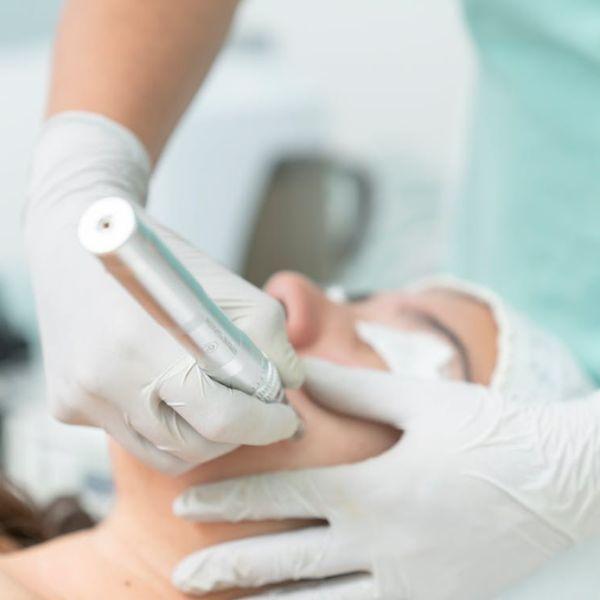
The procedure involves penetration of microneedles through the epidermis into the dermis, where collagen is found. It creates temporary channels that enhance the absorption of the topical treatments compared to application on intact skin. And while microneedling performs beautifully on its own, its real power lies within its ability to pair well with other therapies, offering far better results.
Cocktail #1: Microneedling + PRP (Platelet Rich Plasma)
What is it?
Remember Kim K’s vampire facial? PRP is exactly that. A small quantity of blood is collected and processed through a centrifuge to isolate the platelet-rich plasma. Following a microneedling session, the PRP is applied directly to the skin.
“The rationale for combining these procedures lies in the presence of growth factors within platelets—these proteins facilitate cellular repair and regeneration,” says Dr Agarwal. “Microneedling creates microchannels allowing the PRP to penetrate deeply and deliver a concentrated dose of healing agents during increased collagen production.”
The combined approach addresses concerns such as dullness, signs of ageing, fine lines, mild sagging, and acne scarring. According to the expert, significant improvements have been observed in patients with atrophic scars. Results in texture are typically seen after three to four sessions, spaced one month apart.
Who is it for?
Those in their late twenties to fifties seeking skin rejuvenation without injectable treatments. It is also recommended for individuals with post-acne scarring or uneven pigmentation. It is not suggested for those with active acne, widespread rosacea, keloids, or anyone who is on blood thinners.
Cocktail #2: Microneedling + Exosomes
What is it?
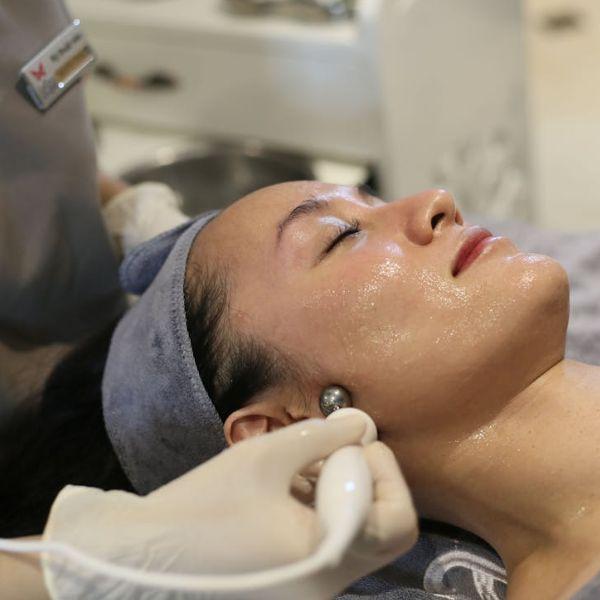
Exosomes are probably one of the most interesting developments in regenerative skincare. These small vesicles act as cellular messengers, transporting proteins and genetic material between cells. When combined with microneedling, they are shown to enhance collagen production and accelerate healing.
“The microneedling stimulates, while the exosomes orchestrate,” says Dr Sukhsagar Ratol, founder and director, Ageology Skin Clinic. “These channels allow deeper penetration of regenerative signalling molecules, significantly enhancing cellular communication and repair.”
The use of exosome serums for patients post-microneedling has resulted in faster recovery times and improved skin smoothness. It helps tackle acne scars, fine lines and wrinkles, enlarged pores, uneven texture, post-inflammatory pigmentation, dullness, and post-procedure inflammation. “Best results are typically seen in a series of three to four sessions,” adds Dr Ratol.
That said, Dr Agarwal believes there is a lack of comprehensive long-term data for exosomes, and the cost of treatments is significantly higher than platelet-rich plasma treatments.
Who is it for?
Those seeking faster recovery, deep acne scarring, early signs of ageing, patients wanting minimal downtime, and individuals undergoing laser or RF treatments who want enhanced healing.
Cocktail #3: Microneedling + Growth Factor Serums
What is it?
Using lab-formulated serums formulated with bioengineered growth factors, peptides, and sometimes stem cell extracts. They are designed to replicate the effects of PRP therapy without requiring blood, and are therefore marketed as an alternative.
“Scientific research suggests that growth factors signal skin cells to stimulate collagen production and facilitate tissue repair,” explains Dr Agarwal. “When applied after microneedling procedures, they can penetrate the skin effectively and support the healing process.”
It should be noted that the efficacy of the serums may vary significantly depending on the formulations. According to Dr Agarwal, while some products are supported by robust research, others offer little more than placebo effects at a premium price.
Who is it for?
The ideal candidates for these serums include individuals seeking the benefits of PRP, who may be reluctant to undergo blood draws or those who prefer a vegan option. They are also appropriate for maintenance between more intensive treatments. “Based on experience, the results are not as effective as those achieved with PRP. Patients may notice improvements such as smoother skin texture, decreased fine lines and enhanced tone over multiple sessions. Recovery time is generally minimal.”
Cocktail #4: Microneedling + Topicals Like Vitamin C or Hyaluronic Acid
What is it?
Simply put, this cocktail pushes the efficacy of your topical products to the next level (in-clinic and with utmost care, of course). It is helpful for conditions like melasma, sun damage, and dehydrated skin. This combination is said to help improve specific skin conditions over time.
“Visible improvement takes time in skin hydration and brightness, and pigmentation reduces gradually over six to eight weeks,” explains Dr Agarwal. “It requires multiple treatments—four to six sessions—spaced three to four weeks apart.”
Who is it for?
This microneedling cocktail is apt for those with pigmentation issues, dull skin or early signs of sun ageing. It is, however, not recommended for very sensitive skin or active inflammatory issues.
A word of advice: Microneedling combinations are effective, but they require multiple sessions, proper aftercare, strict sun protection, and realistic expectations — they won’t undo years of damage overnight. Always see a board-certified dermatologist, skip DIY dermarollers, and combine treatments only under professional supervision.
Images: Pexels
Also Read: Designer Suhani Parekh reflects on motherhood, memory, and love that changes you forever
Also Read: Morally grey characters aren't asking to be accepted, just understood
ADVERTISEMENT
Must Read









ADVERTISEMENT