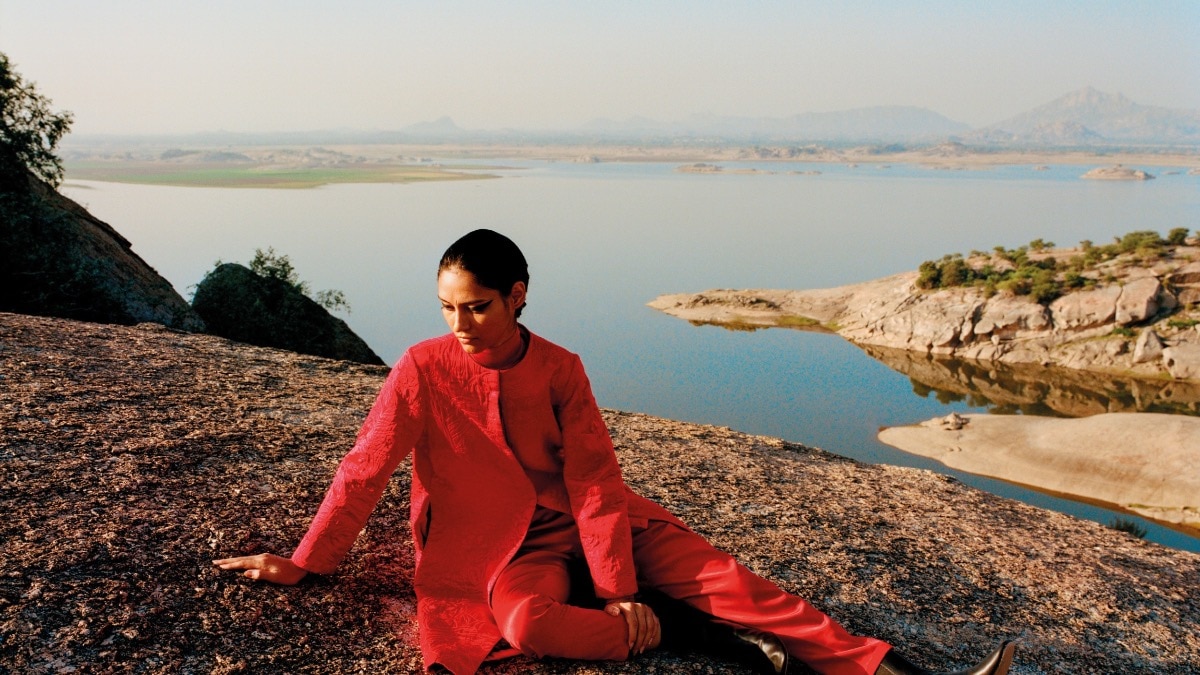
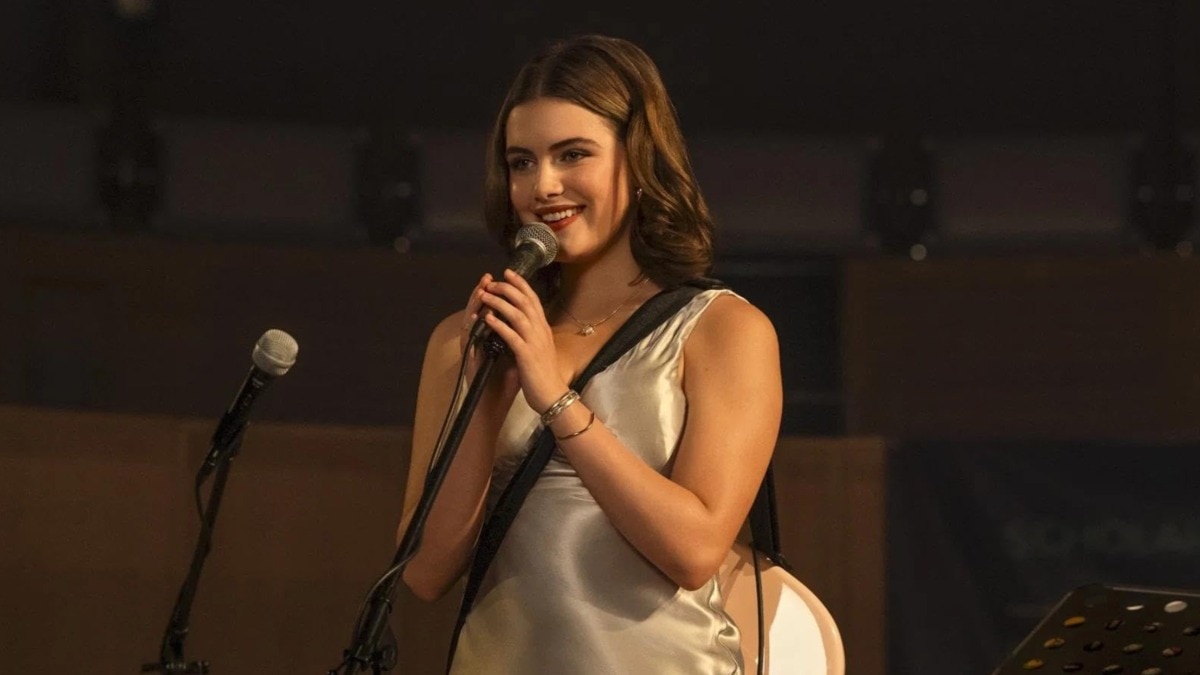
Shahana Goswami talks typecasting, international films, and the reality of Bollywood
Beyond the flair of films exists a world that breathes on craft. Actor Shahana Goswami reflects on layered characters and the quiet power of performance in cinema.

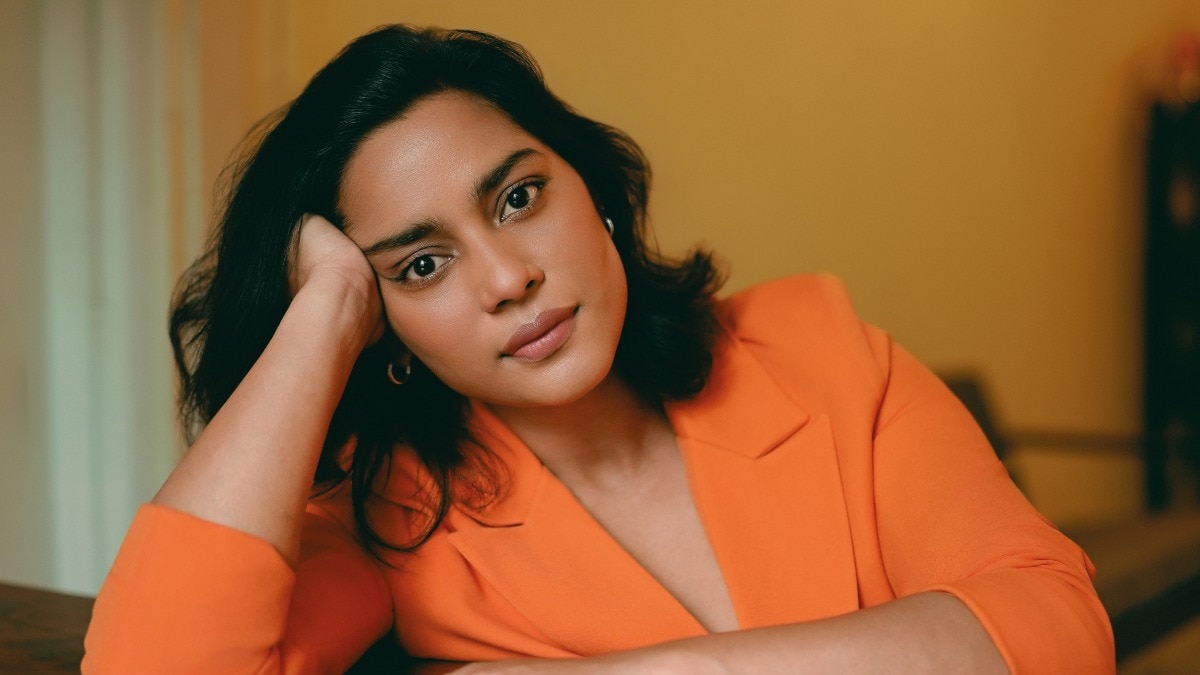
“I like to be slightly invisible and don’t enjoy so much attention on me,” a statement almost paradoxical coming from someone constantly in the public eye. But for actor Shahana Goswami, it is simply her idea of success. The conversation with the actor—one of Indian cinema’s most compelling female voices— turned out to be far more honest and direct.
For as long as I remember I have always approached Bollywood with a certain wide-eyed optimism—be it the slightest global recognition, a moment at the red carpet, or the thrill of seeing Indian stories trave. But my chat with Goswami reminds me that while the progress is real, the story of recognition is far from complete.
For someone who has navigated both Indian cinema and global festival circuits with films like Santosh (2024), Goswami’s work has steadily travelled beyond Indian screens. Yet, for the actor, the real anchor remains the craft itself. “It’s an industry that’s built on perception. There is a lot of noise and paraphernalia that is attached especially to an actor’s life,” she admits. “I think it’s a personal choice at the end of the day, what part of the journey you feel driven to, and for me, that has been towards the process, the teamwork, and the various departments coming together for one vision,” adds Goswami.
That said, the industry’s fixation with perception rarely remains abstract. Goswami is familiar with this dynamic up close. “I remember the first advertisement I did with Fevicol where I was playing a Banjaran mother and I had two kids. I was 19 then!. [In] Rock On!! (2008) I was playing a 32-year-old with an eight-year-old child, and at the time of filming, I was 21,” she recalls. “I did see a typecasting that happened post Rock On!!. There was a tendency that I was not offered roles that were actually my age. I think it had to do with how I looked. The weight that I had when I was younger made me look a little bit older,” she shares, reflecting on the traces of the stereotypical gaze that stemmed less from performance and more from appearance and industry structure.
But since change is inevitable, she saw these rigid expectations fade away over time. “In the last few years, it has changed a lot,” Goswami admits. “Ironically enough, now that I am older, I’m playing roles of younger women. So it’s become something that is a lot more fluid,” she says. And perhaps that sense of fluidity extends beyond just the roles she plays. Lauded for being one of the very few Indian actors to be part of a film premiered at the Cannes Film Festival and spotted at the Oscar nominations, Goswami approaches the idea of global recognition with a measured realism. “I think it’s grown, largely, but Indian actors working in international projects are still very minimal and selective. It has always been tokenistic or a little bit towards caricature,” she explains while hoping for a more nuanced exporting of India and Indian storytelling.
With nuanced storytelling rises the expectation of narratives that speak more of the craft than of the labels attached to it. I remember watching Santosh with my mother, and witnessing the both of us being struck by how seamlessly Goswami adhered to the role—so much so that the performance invites you to engage with the film for what it is, rather than through the familiar lens of a gender bias, something that the actor tends to negate.
Contrary to the predictable call for more “women-centric cinema”, Goswami would rather dismantle the label itself. “I would wish to remove the need to underline a feminine character. I hope and wish for a time when we can just tell stories without having to constantly think that somebody is underrepresented, or is not being shown as they should, somebody is being cut out of the storyline,” she states. “So, in a nutshell, what I wish for is a time when we can just talk about human experiences and nuances,” she signs off with a perspective that feels strikingly different from the one many of us have grown accustomed to. While the industry continues to chase visibility, Goswami seems more interested in disappearing into the work itself— letting the story, not the spotlight, take centre stage.
Lead image: By Abhishek Gaikwad
This article first appeared in Bazaar India's March 2026 print edition.
Also read: The rise, fall, and return of the Indian supermodel
Also read: Doing fewer movie promotions might be the smartest move celebrities can make