




ADVERTISEMENT
Where design meets music: Open Atelier Mumbai’s quiet revolution
Founder Rahul Mistri’s music-inspired philosophy brings harmony, history, and human warmth to projects across India.

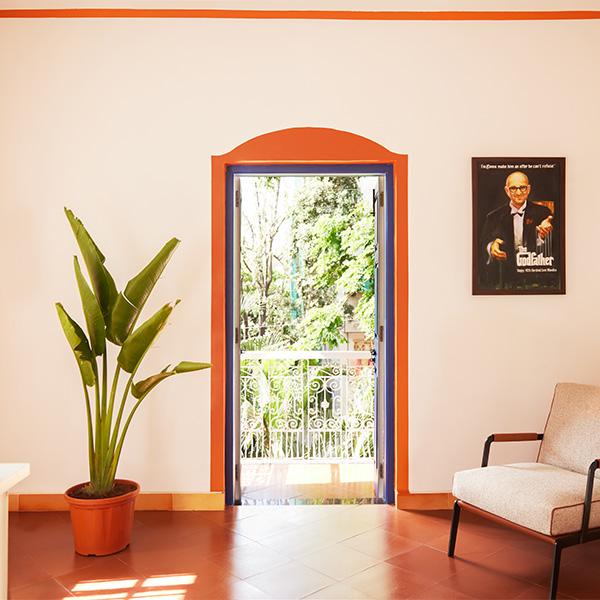
Tucked away in the quiet by-lanes of Bandra’s historic Chuim village, a sunshine-yellow bungalow from the early 1900s quietly holds its ground amid Mumbai’s relentless hustle and bustle. This unassuming home is now the headquarters of Toast events, designed by an interior practice that approaches design much as a composer approaches music—layering moments, moods, and memories into a seamless experience.
More than a renovation, the 2,000-square-foot space is a thoughtful conversation across time, honouring the building’s lived-in essence rather than erasing it. The building’s charm isn’t about perfection or grandeur—it’s about allowing the space to breathe and unfold naturally. This philosophy is evident throughout.
From the slender balcony that filters soft morning light to the central winding staircase that connects all three floors with understated grace, every element moves with quiet rhythm. Original flooring has been carefully restored, not replaced, preserving the subtle marks of time and history. The space itself feels modest, open, and inviting—never forced or overly styled.
Deliberate restraint defines the palette: gentle strokes of rust, sage, and ultramarine outline doors, windows, and ceiling beams, highlighting the architecture rather than covering it up. Walls, with their small imperfections and texture, are left untouched—embraced as part of the building’s character rather than flaws to erase.
Furniture choices follow the same measured approach. This deliberate minimalism extends to the furniture, where carefully curated IKEA pieces sit alongside vintage architectural elements such as cast-iron railings and deep green wooden shutters. Nothing is over-styled or imposed; instead, the environment reflects Open Atelier Mumbai’s core ethos: rooted, rhythmic, and remarkably unforced.
What sets Open Atelier Mumbai apart is not merely its reverence for history but its unique approach to design as an experiential composition. “Music and design speak the same language,” Rahul Mistri, founder & principal designer, Open Atelier Mumbai, shared with me. “Both rely on creating a rhythm through layering, contrast or harmony. Both are media that influence emotions and draw from instinct, memory, and movement. When you walk into a well-designed space, you don’t always notice why it makes you feel a certain way, just like you don’t always pick apart every instrument in a song. But you feel it. That’s the power of both.”
Though not a formally trained musician, Mistri’s personal connection to music—playing rhythm guitar since college—deeply informs his design philosophy. “Something about the combination of strumming and singing helps me centre myself and deeply focus. It’s a way to reset and refresh, often opening the door to new ideas,” he adds.
At Open Atelier Mumbai, this manifests as an invisible yet guiding layer. The studio team ‘tunes in’ to the emotional currents of a space, much like a composer sensing the flow of a piece before placing notes. “Starting with mood and tempo before approaching material or function helps us calibrate the atmosphere. It reminds us that design isn’t just what you see—it’s what you sense,” he elaborates.
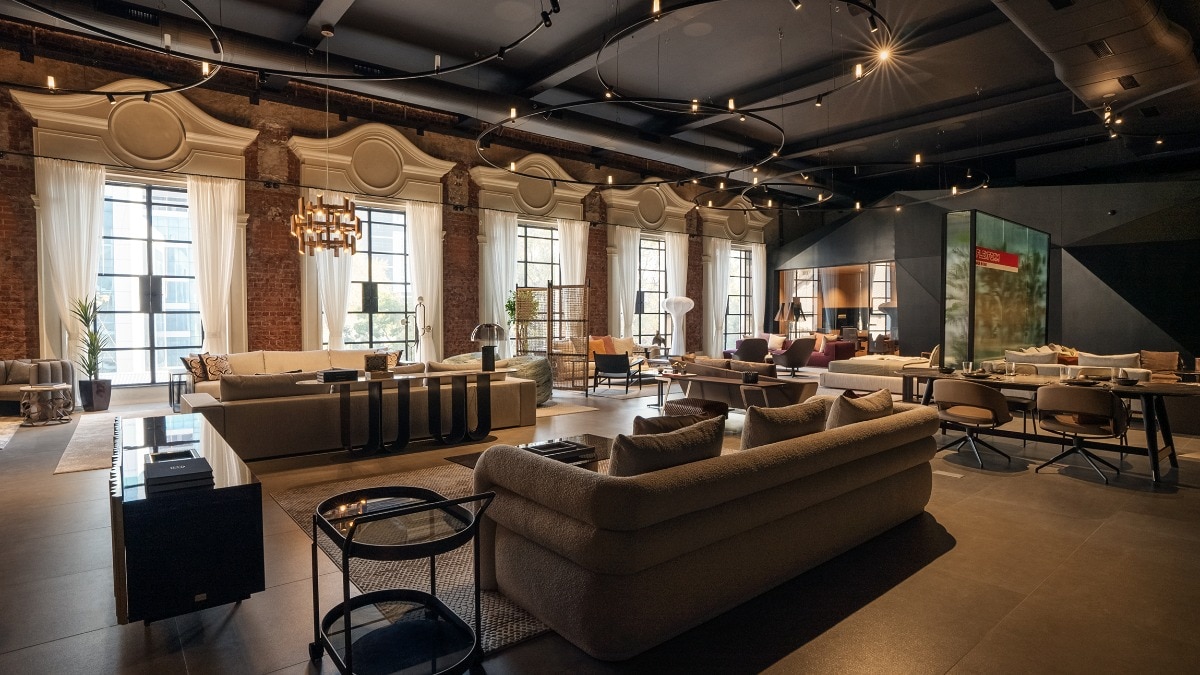
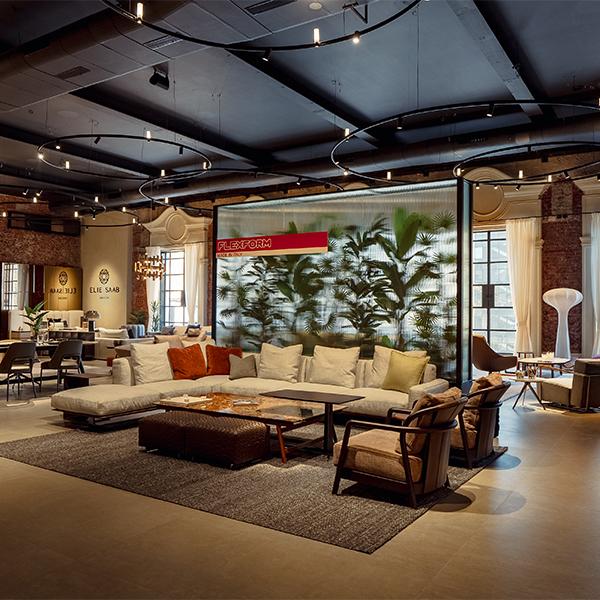
This philosophy isn’t confined to a single project or typology. Vita Moderna, an experiential retail centre inside a former Mumbai mill, sets the tone with a design that preserves the site’s industrial rawness while softening it with warm, tactile details. The result is a space that feels both grounded and inviting, balancing its past with a more intimate present.
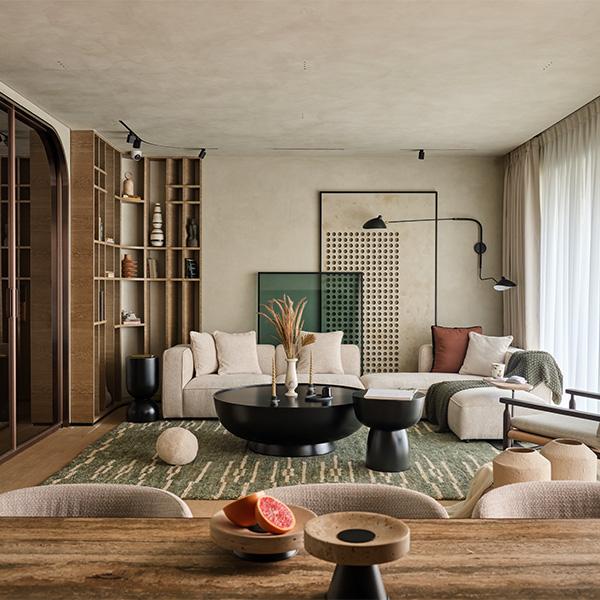
Kiyoma Crest, a private residence shaped by Japandi and Wabi-sabi ideas, carries this sensitivity into a quieter realm. It follows a slower, more contemplative rhythm—leaning into harmony, simplicity, and the beauty of subtle imperfections. Each room opens gently into the next, creating a steady, calming flow.
Elysian Echoes residence designed by their team in Kolkata is a striking example. “ Designing that home felt like composing a sonata; each space carried its own sense of emotionality. The private lift lobby acted as a prelude. The living area, with its flexible partitions and centred around a grand piano, became the crescendo. The bedrooms offered quieter refrains, each shaped by light, materiality, and mood,” he says. Meanwhile, their Toast project further showcases their ability to blend texture, light, and form with playful precision, creating spaces that are as lively as they are thoughtful.
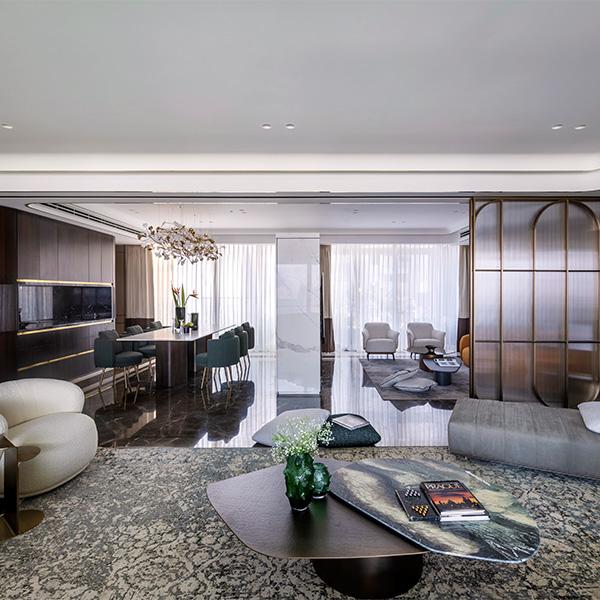
Though each project is different, Open Atelier Mumbai’s work is a reminder that good design is about listening—tuning into the stories embedded in a place and composing an experience that lingers, like a beautiful melody long after the music stops.
All images: Open Atelier
Also read: The ultimate guide to Michelin starred dining
Also read: What is grief travel and how did it come to become a thing?
ADVERTISEMENT
Must Read










ADVERTISEMENT