Why shades are fashion’s most elegant form of emotional protection
As hyper-visibility becomes the default setting of modern life, dark lenses emerge as the most elegant way to edit your interactions.

6:40 a.m., that fragile hour when ambition is technically awake but personality is still buffering. Around me, the city was already performing. We live in what sociologists politely call a hyper-visible culture. The rest of us call it Tuesday.
On average, a person encounters 6,000 to 10,000 visual impressions a day, screens, cameras, strangers, notifications, mirrors that seem to know exactly when you didn’t sleep enough. Add social media, workplace surveillance and the occasional well-meaning acquaintance documenting brunch, and visibility begins to feel less like a privilege and more like a performance contract.
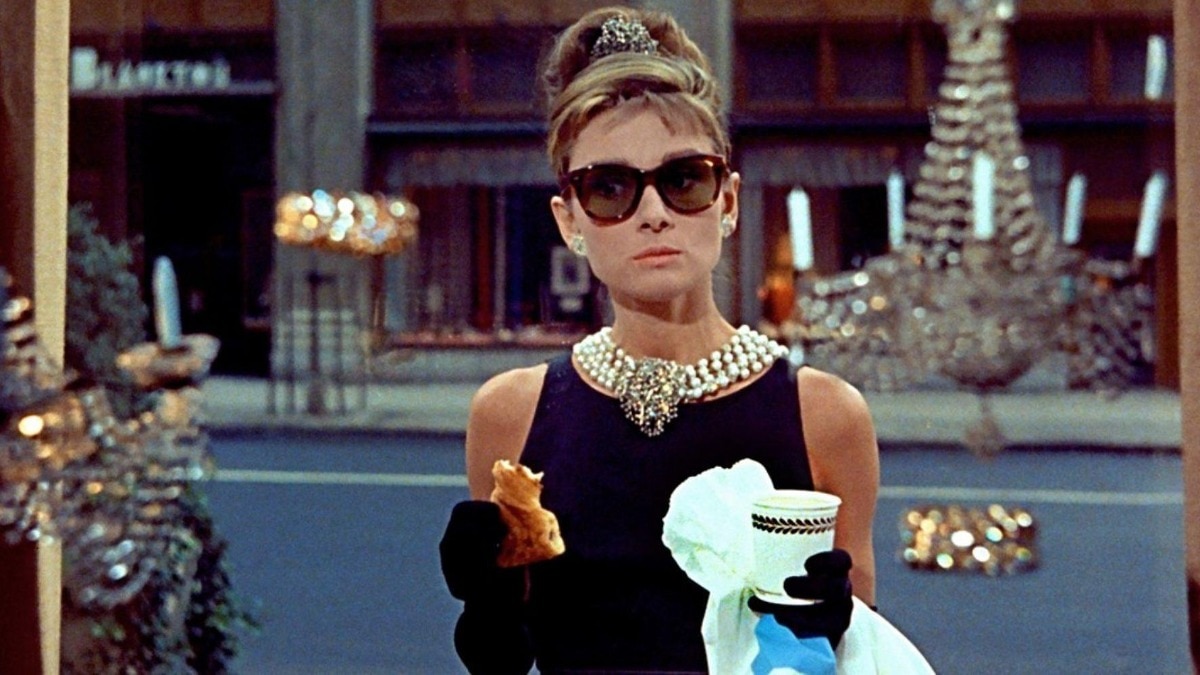
The eyes are the most socially demanding part of the face. Eye contact signals engagement and emotional openness. Eye contact is powerful. Avoiding it is sometimes more powerful. In this landscape, sunglasses function less as an accessory and more as an out-of-office reply for your face.
The airport: Where boundaries go first class
Airports are the natural habitat of emotional armour. You are tired, overstimulated and given the current state of flights, one unexpected conversation away from reconsidering air travel entirely. A recent travel style survey found that over 60% of women wear sunglasses indoors at airports. Sunglasses create what psychologists call a portable personal space, a visual boundary that signals you are travelling, but not socially available for commentary on weather patterns, or life advice from seat 14C.
This shift reflects a broader cultural change. For years, fashion has been optimised for visibility, logo placement, and attention as currency. Privacy fashion reverses the equation. The goal is no longer to be noticed by everyone, but to control who notices you and why.
Oversized frames are doing what boundaries and therapy have been trying to do all along. Caps, headphones and neutral palettes all serve the same purpose: reducing unsolicited interaction.
The psychology of the lens
At social events, sunglasses perform a different kind of diplomacy. Behavioural studies suggest that individuals wearing sunglasses receive 20–25% fewer unsolicited interactions in crowded environments.
There is also a neurological advantage to looking at the world through tinted glass. Reduced visual input lowers cognitive load, allowing the brain to process fewer social cues at once. In practical terms, this means the morning commute feels less like a social obstacle course and more like a private montage. Fewer faces to decode. Fewer expressions to respond to.
Put on a pair of dark lenses, add a playlist, and the city becomes cinematic. The noise softens. For a few blocks at least, you are no longer reacting to the world.
Choosing your social armour
Optometrists recommend UV400 protection, which blocks 99–100% of harmful rays, a reminder that physical and emotional protection can, and should, coexist. Because if boundaries are going to be visible, they might as well be well-designed. Here’s how to pick the best one:
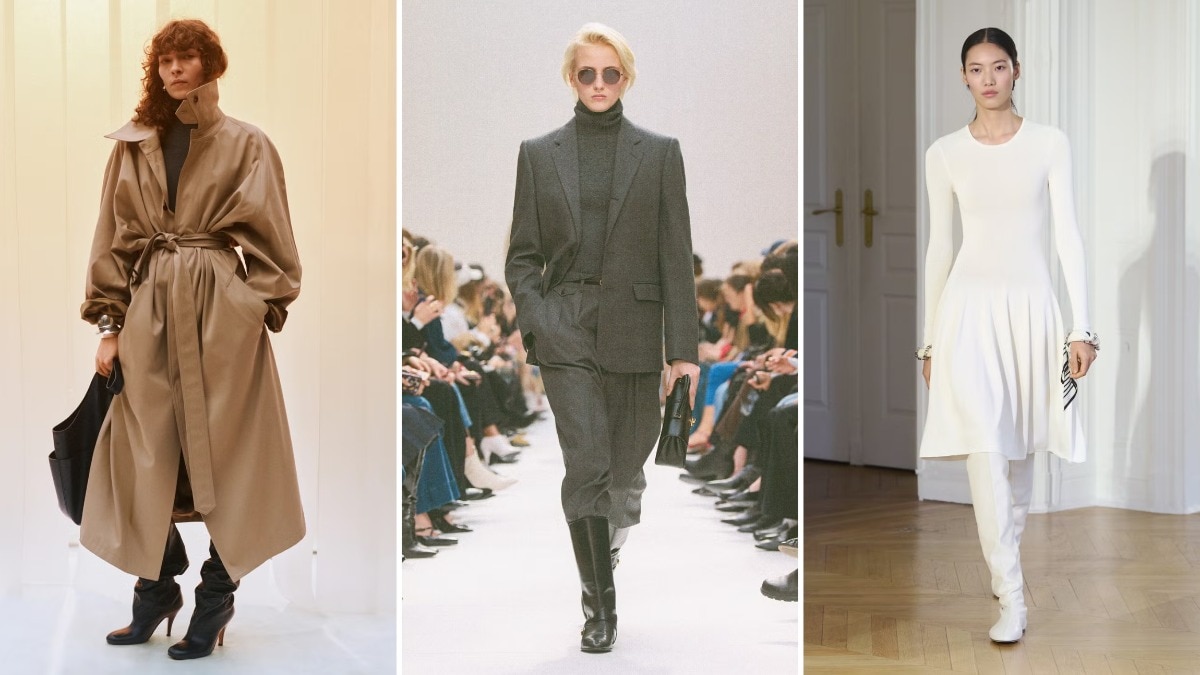
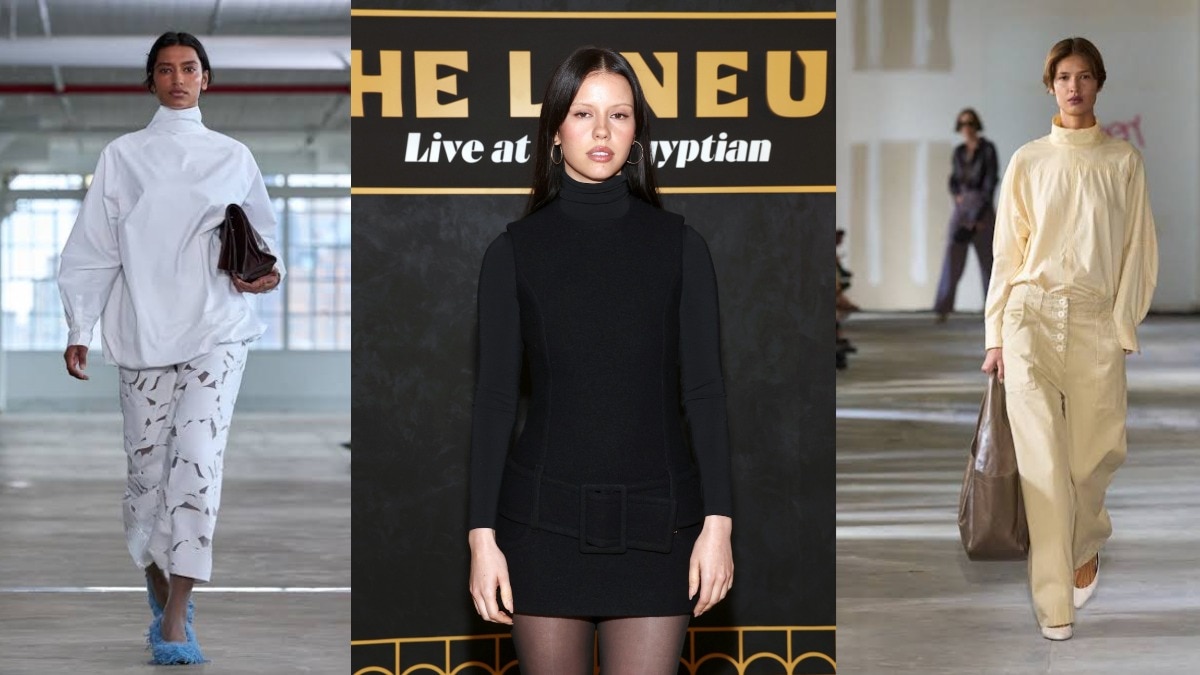
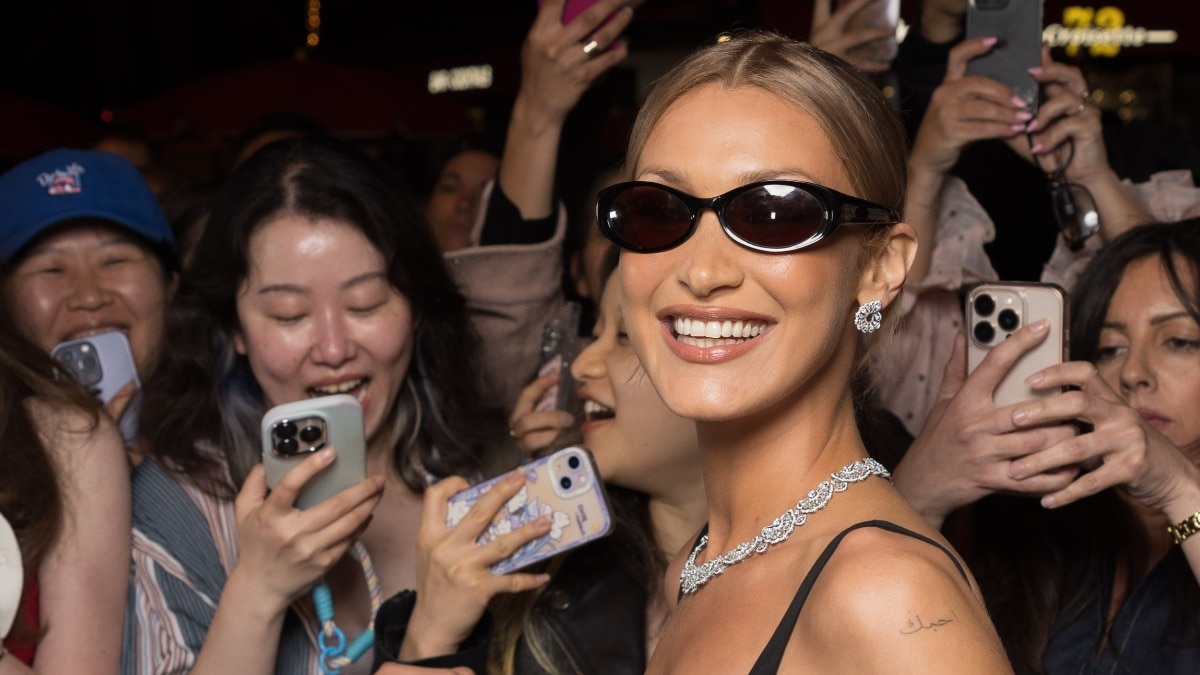
Oversized black frames: The equivalent of a structured blazer. They work best with tailored silhouettes, wide-leg trousers and sharp coats.
Gradient brown lenses: Softer, warmer, and slightly more conversational. These pair naturally with neutral wardrobes like linen sets, relaxed tailoring, trench coats, and soft knits. They suggest openness without full accessibility.
Slim rectangular frames: Best worn with clean lines, leather jackets, crisp shirting, structured basics. They communicate efficiency and awareness, the aesthetic equivalent of someone who knows the quickest route through a crowded subway
.
Aviators: They work across wardrobes but feel especially at home with denim, oversized shirts, utility pieces and anything slightly undone.
Mirrored lenses: The highest level of visual boundary. Particularly effective with bold or fashion-forward outfits, statement outerwear, or all-black looks. They reflect attention back outward, creating distance while adding impact.
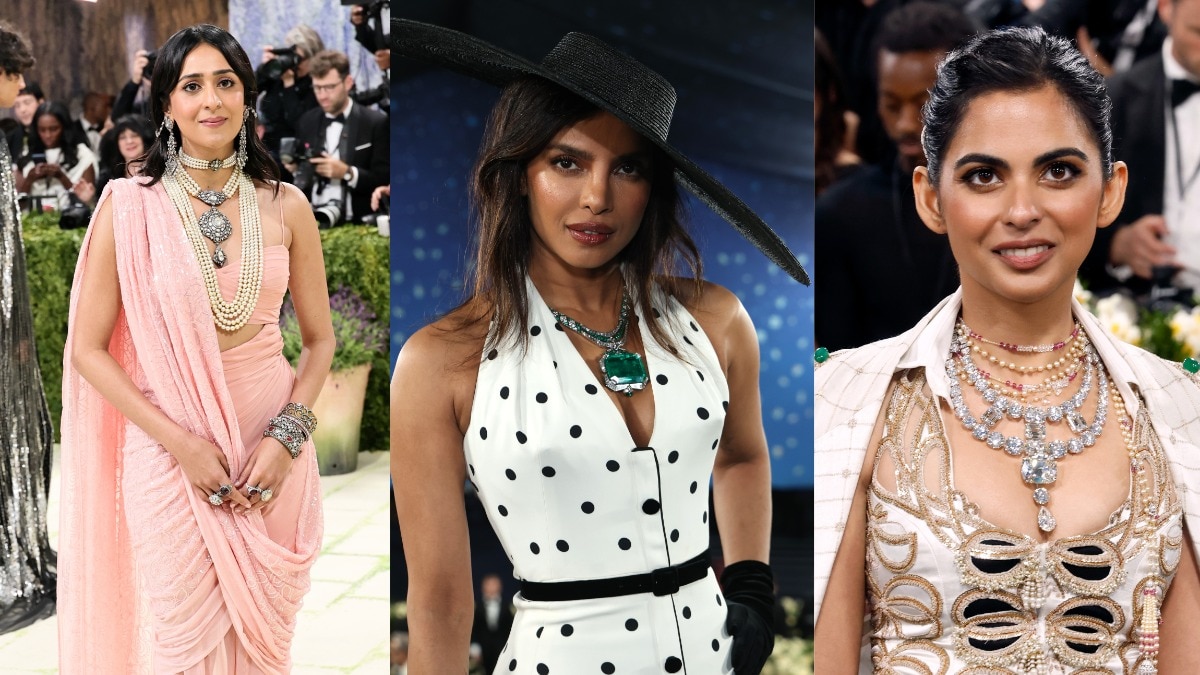
Tinted fashion shades (rose, amber, blue): These work best when the outfit carries personality, prints, texture, vintage pieces, or playful colour. The mood is expressive but self-contained.
Lead Image: IMDb
Also Read: Striped shirts that mean business and boss-lady energy
Also Read: Low Effort, High Intent: Decoding the modern errand uniform