Indian beadwork is finding new life in everyday fashion
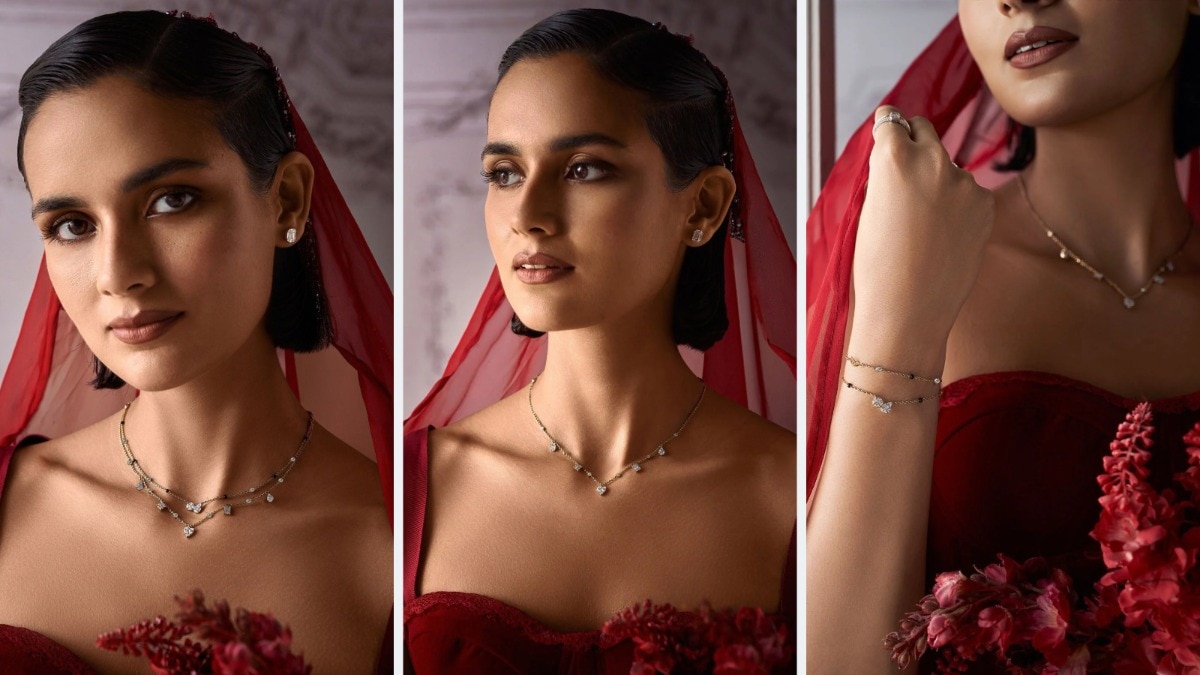
Once reserved for occasionwear, beading and embroidery are being reworked by a new generation of Indian designers into playful accessories, statement tops, and pieces made for everyday wear.

Beads have always been part of Indian fashion’s visual language, but for years, they existed at a distance—intricate, laborious, and largely confined to bridalwear. They were admired, archived, and brought out for occasions, rarely slipping into the rhythm of everyday dressing.
That distance is dissolving. A new wave of designers is pulling beadwork out of its ceremonial context and reworking it into something far more immediate. Across young brands, the craft is being reshaped through humour, nostalgia, and a distinctly personal lens. The result feels less like preservation and more like instinct.
From occasionwear to everyday cool
The shift isn’t just aesthetic, it’s cultural. Beadwork hasn’t changed, but its place in the wardrobe has. What once required an occasion now fits into the everyday, not as excess but as detail. For Mirchi by Kim, that shift began with a clear disconnect. “Everywhere I went abroad, everything that drew my attention was beaded—and the label said ‘Made in India’, but there was no real recognition,” says founder Kimaya Singh. Her response wasn’t to simplify the craft, but to reposition it.
What makes the new wave compelling is that the intensity hasn’t gone anywhere. It’s just been redistributed. Lighter pieces may take under ten hours, but others run into hundreds. “We have pieces that take over two hundred to three hundred hours by a single artisan,” Singh explains. That scale of labour sits quietly beneath pieces that feel casual, even effortless.
That contrast extends across categories. With Gulraj, beadwork moves onto footwear, where the demands are entirely different. “People pause when they see beaded footwear, it’s not something they expect,” says the brand's founder, Shreya Dwivedi. What looks delicate has to withstand movement, pressure, and repeated wear, forcing the craft to adapt without losing its detail.
Play, personality, and the new language of accessories
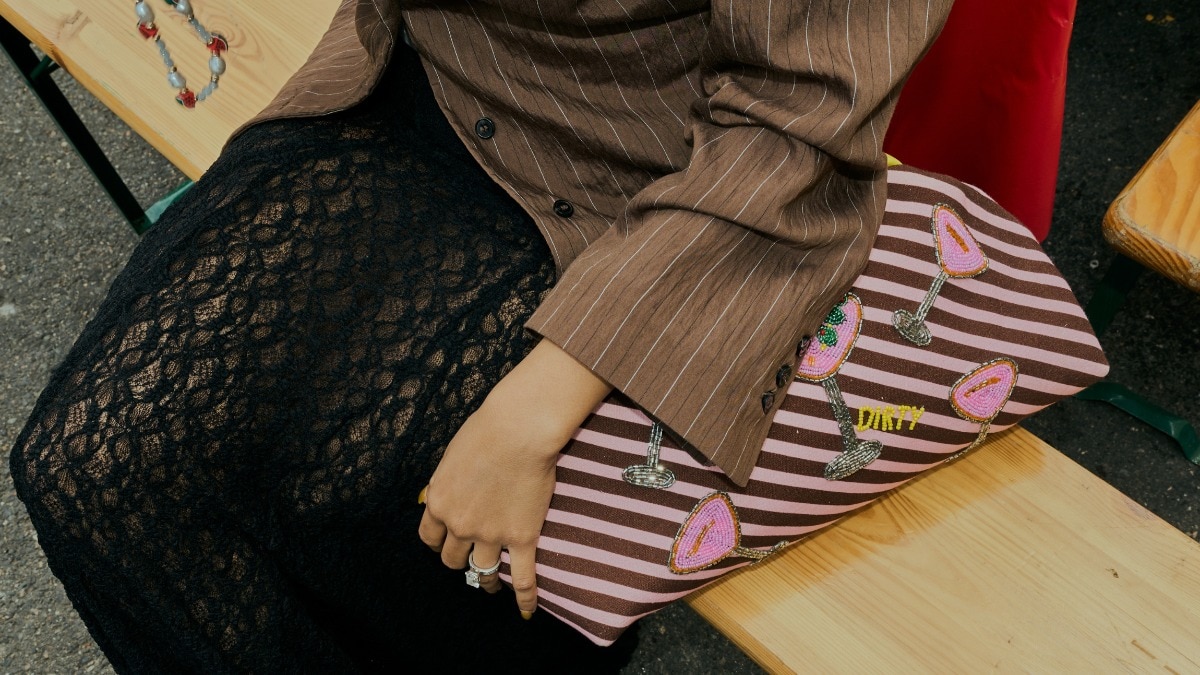
If the first shift was about context, the second is about attitude. Beaded bags are where the revival becomes most visible, taking something rooted in tradition and pushing it into pop culture. It started, in many ways, with Mirchi by Kim’s now-iconic Lays and Kurkure beaded bags. “It’s literally something I eat every day,” Singh says. “I just thought, could this exist as beadwork?” The answer required translating crinkled foil textures into hand-beaded surfaces, colour-matching each shade, and building structure into something that originally had none.
A brand called Notice Me also leaned into that same instinct, with its own vocabulary. Their beaded takes on beloved snacks sit alongside more composed designs featuring lemons, tomatoes, and fish. The mix keeps the brand from feeling one-note. “It began very organically, just making things we liked and putting them out there,” says co-founder Harpreet Kaur. “Over time, it became about creating pieces that spark a reaction.” That reaction is key. These are not quiet accessories; they’re designed to be noticed, photographed, and talked about.
At the same time, there’s a clear boundary between novelty and craft. “We don’t treat heritage as something rigid. The technique stays, but the mood shifts,” they explain. It’s what allows a beaded snack packet and a more classic motif to exist within the same universe without either feeling out of place.
Craft, reimagined
As beadwork moves into new categories and aesthetics, it’s also reshaping how people engage with craft itself. The revival isn’t just about making it visible again; it’s about making it relatable. For Dwivedi, that shift becomes apparent only once the product is worn. “Many assume it’s only for occasions, but once they try it on, they start styling it with everything, from linen dresses on holiday to everyday denim,” she says. What changes is not just perception, but behaviour.
Singh has seen a similar shift play out more directly. “We have customers who ask for the artisans by name—like, ‘Imran made my dress,’” she says. That level of connection reflects a deeper awareness of the work itself: the hours, the skill, and the human hand behind each piece.
Even the rise of copycat brands has contributed to that visibility. As more labels enter the space, there’s a growing tendency to spotlight the people behind the work, bringing artisans into the narrative rather than leaving them in the background.
Beadwork has moved from occasion to instinct. And in doing so, it’s found a new kind of relevance—one that feels immediate, expressive, and entirely of the moment.
Lead image: Notice Me
Also read: Low Effort, High Intent: Decoding the modern errand uniform
Also read: What to wear when you don’t know the dress code—but still want to impress