




ADVERTISEMENT
How pashmina has always been a mark of quiet luxury
From Kashmiri craft to everyday style, pashmina proves that true luxury lies in subtlety.

When Kendall Jenner emerged in West Hollywood recently, wrapped in a classic pashmina shawl, she did more than keep warm. She reminded the fashion world why this age-old fabric is still treasured after decades of being a part of luxury couture. What might have been just another winter accessory became a subtle yet powerful style statement, proving that some pieces never lose their allure because they were never truly about trend in the first place.
In an era where luxury often announces itself loudly, the pashmina is one of the biggest symbols of quiet luxury. It values material over branding, craftsmanship over trends, and longevity over novelty. Pashmina has always belonged to this world. Long before it became part of contemporary fashion conversations, it was already a quiet sign of refined taste. Jenner’s appearance brought that legacy back into focus, reminding us that true luxury does not really need reinvention, but only recognition.
The legacy of pashmina
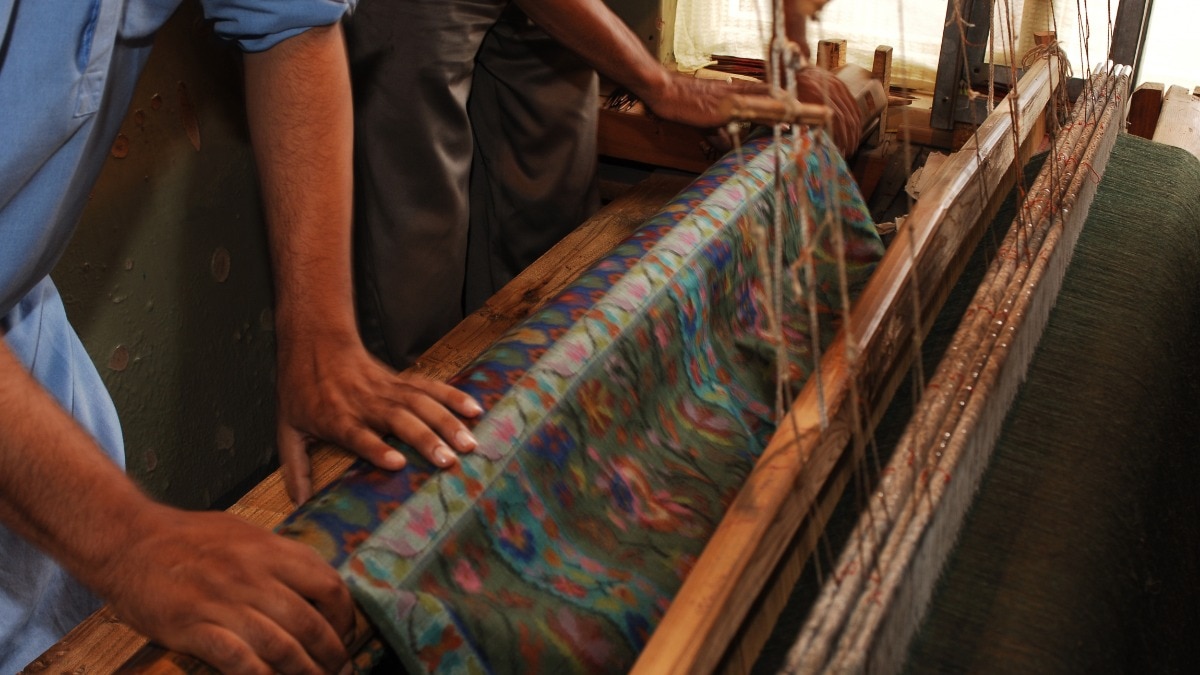
Pashmina is not just any other shawl. It is a centuries-old craft rooted in the Himalayan region, particularly Kashmir. Made from the ultra-fine undercoat of Changthangi goats, authentic pashmina is hand-spun and hand-woven, a process that demands time, skill, and patience. The resulting fabric is exceptionally soft, lightweight, and warm, qualities that cannot be replicated by mass machine production.
Historically, pashmina was worn by royalty and aristocracy across South Asia, Central Asia, and later Europe. By the 18th and 19th centuries, Kashmiri shawls had become prized possessions among European elites, admired for both their artistry and rarity. What sets pashmina apart, then, and continues to do so now, is its restraint. It was never about excess. It was always about grace and elegance.
A favourite among icons
Over the decades, pashmina has quietly found its way into the wardrobes of some of the most enduring style icons. Hollywood celebrities such as Angelina Jolie, Julia Roberts, and Jennifer Aniston, among others, have often been seen draped in pashminas during public appearances, for both ease and effortless elegance.
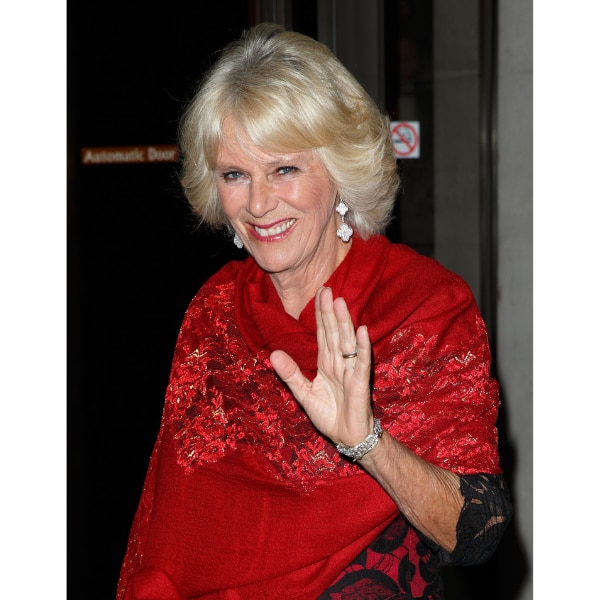
Even the royals like Queen Consort Camilla Parker Bowles, and Princess of Wales, Kate Middleton, have been known to turn to classic pashmina shawls, reinforcing the fabric’s association with quiet luxury.
Closer home, pashmina has long been a symbol of grace in Indian cinema and public life. From statesmen to film stars, including Amitabh Bachchan and Kareena Kapoor Khan, the shawl has long been seen as a sign of culture and timeless style. It is worn not to show off, but to reflect a quiet, yet luxurious way of dressing.
Why pashmina is still relevant
What makes pashmina relevant now is precisely what has always defined it. It does not chase trends. It adapts quietly. Styled over a winter coat, paired with evening wear, or simply wrapped around the shoulders, it adds depth rather than drama. In today’s fashion climate, where consumers are increasingly drawn to pieces that last beyond a season, pashmina fits naturally into the conversation.
Beyond its material qualities, pashmina carries a story of centuries of skilled craftsmanship. Wearing it is a way to connect with and honour a tradition that values precision and artistry. Its versatility has allowed it to endure through generations, making it a symbol of quiet luxury that remains as relevant today as it was centuries ago.
All images: Getty
Also read: Sophisticated, cool, and anything but trendy—here are the new launches we can’t stop talking about
Also read: Here’s our 2026 style prediction
ADVERTISEMENT
Must Read


ADVERTISEMENT