In Bridgerton’s scandal economy, reputation is currency, just like today
From Regency whispers to viral hashtags, reputation still rules the ball

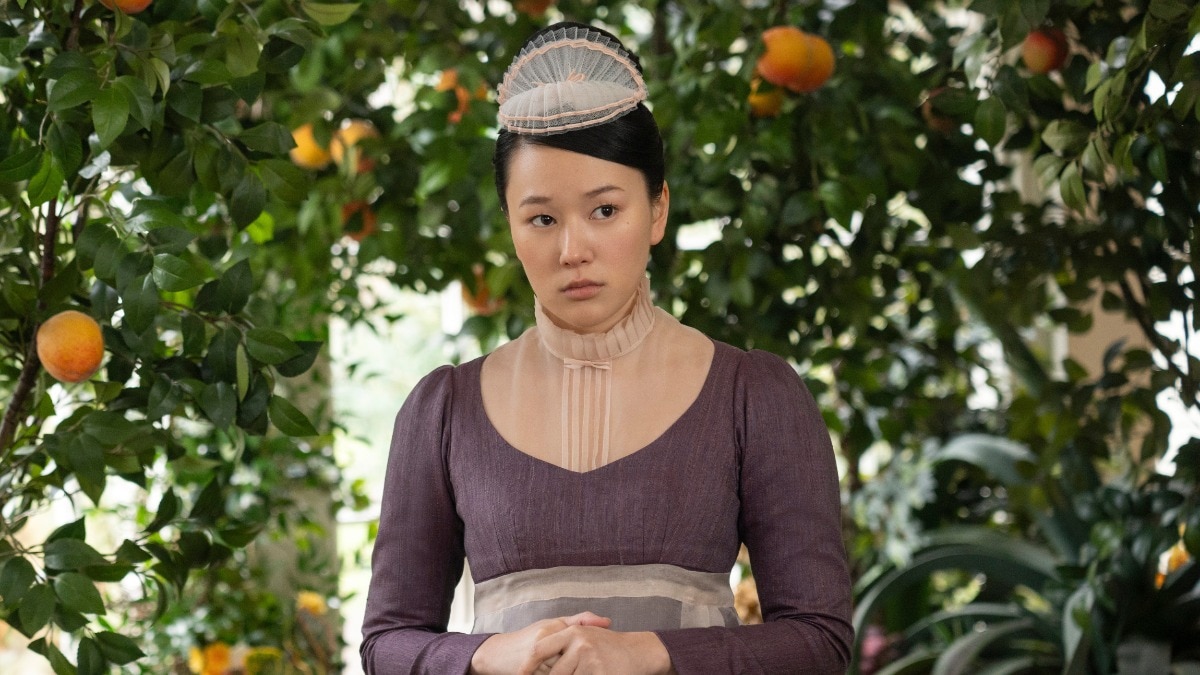
In a world where everyone’s life can be dissected with a swipe and a scroll, Bridgerton feels uncannily like a mirror held up to today’s digital society. The Netflix phenomenon, which recently closed its fourth season, thrives on the same forces that drive modern social media culture: reputation, scandal, the hunger for secrets and the power of narrative. In the ton, a single Lady Whistledown pamphlet can make or mar a reputation. Online, a viral post or a trending hashtag can do the same thing at a global scale. In both worlds, the currency is not wealth but visibility: what people think of you becomes the invisible frame through which you are judged.
This is not merely escapist costume drama. At its heart, Bridgerton continues to explore how gossip, when wielded with flair, shapes society, moulds careers, and influences relationships.
The show’s new season underscores this more vividly than ever. In the season four finale, Penelope Bridgerton formally retires her Lady Whistledown quill, only for a mysterious new author to take up the gossip mantle, setting off a fresh wave of speculation among fans. Viewers online are already theorising who the new Whistledown might be, combing through each episode for Easter eggs. This blurring of the show’s internal drama and real-world online chatter reflects deeper cultural currents: audiences do not merely watch gossip, they participate in it.
Whistledown’s ton and today’s timeline
In Regency London, Lady Whistledown’s society papers are a form of mass communication that binds the social elite together in a complex network of praise and condemnation. A flattering mention could make a debutante’s season, and an unkind innuendo could end it. This taps into a timeless truth: humans have always cared about how others see them. On social media today, that age-old fixation plays out at breakneck speed. One viral TikTok or Instagram Story can make an influencer overnight, only to tear them down the next day.
The modern-day “ton” has traded ballrooms for social media feeds, but the stakes feel eerily similar, or even higher, if one might say so. Whistledown’s quips and online gossip threads both reveal how reputations become collective property, exchanged, debated and weaponised in public.
Scandal as social currency
The power of gossip and scandal in Bridgerton is not just to support the plot, but it is the entire commentary. Characters tiptoe around strict social rules, like Benedict and Sophie’s love in season 4 that quietly breaks Regency conventions, all while fearing how their and their family’s reputations might be sullied. Compare it to today’s world and to celebrities and regular people navigating the consciousness of how every photo, comment, or association might be interpreted.
Reputation has always been valuable, but in the digital age, it is both more fragile and more public than ever. A misstep in a ballroom conversation or a misguided online post can go far beyond private intent.
Ultimately, Bridgerton somehow mirrors and dramatises what’s real about our digital age. Reputation still rules. Storytelling still shapes perception. And gossip, whether whispered in Regency ballrooms or amplified by smartphones and social media, remains a potent force in defining who we are and who we want to be. In this way, Penelope’s quill and your smartphone screen are separated by centuries but united in power.
Lead image: Netflix
Also read: What to know about Lisa’s forthcoming Notting Hill-inspired rom-com
Also read: ‘Wuthering Heights’ was never meant to be this beautiful