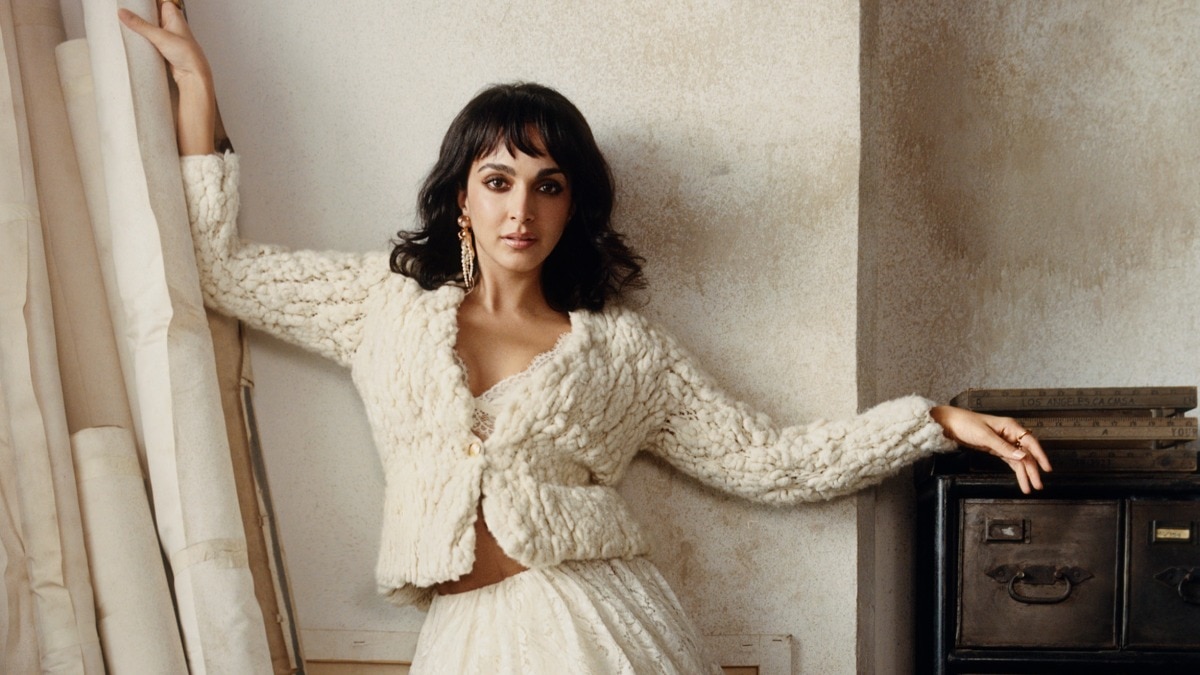
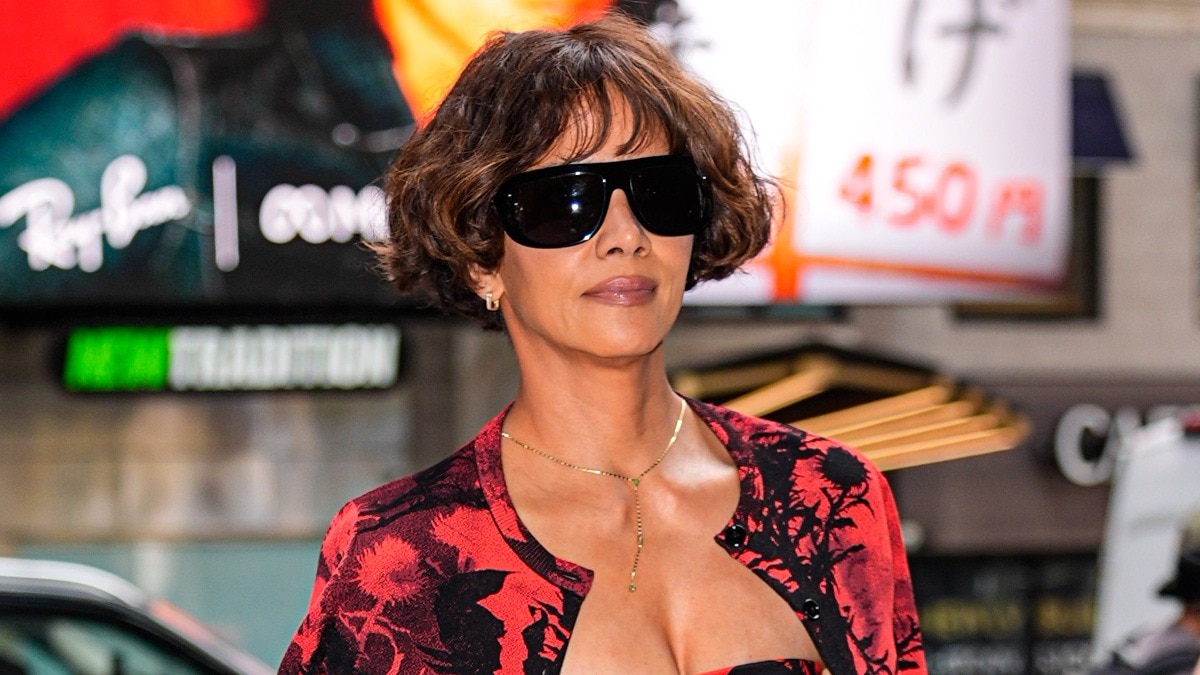
How women are rewriting pop culture on their own terms
From cinema and music to fashion, women are shaping what culture feels like today.


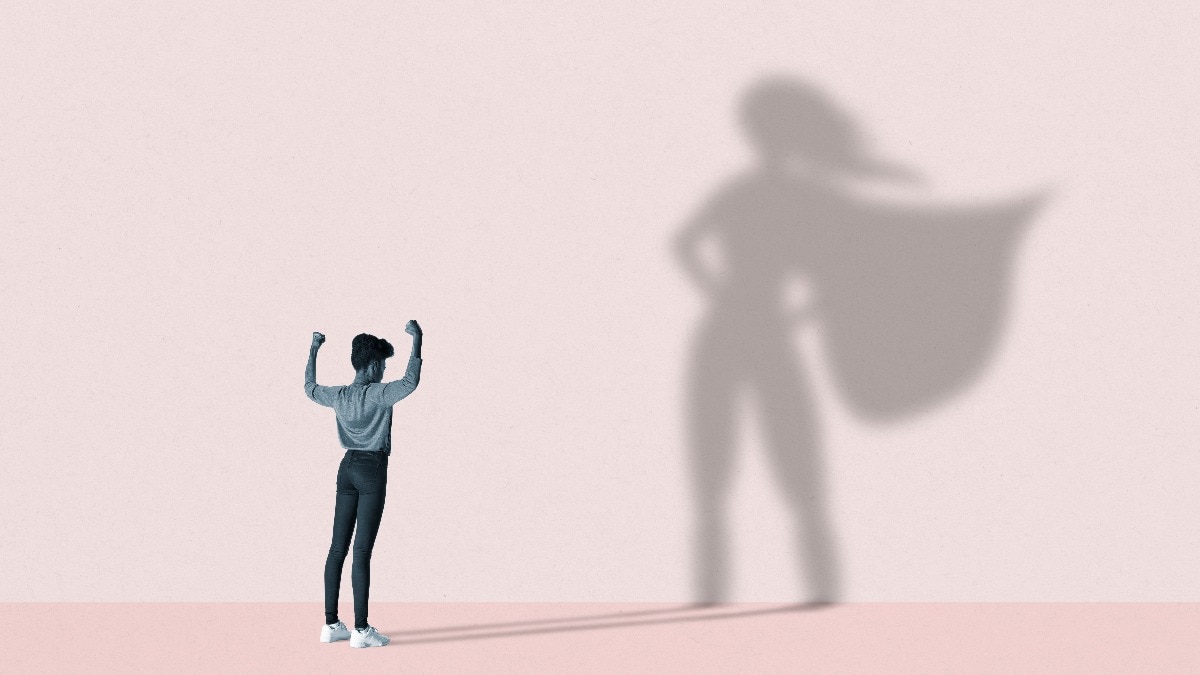
Pop culture reflects who gets to shape the narrative—and that power is shifting. Women aren’t just part of mainstream culture anymore; they’re redefining it with stories that feel sharper, truer, and far more lived-in. This is not a brief cultural wave or a marketing-friendly “female moment”; it is a larger reset. One where women are creating work that centres emotion and lived experience, without having to explain or justify it.
The female gaze is not about being louder or more provocative. It is quieter, sharper and deeply intentional. It allows women to exist fully on screen, on stage, and in design studios. Confident and ambitious, thoughtful, and imperfect. And the best part is that audiences are also responding, because these stories feel real.
Cinema that speaks
Greta Gerwig’s Barbie changed the conversation around what a blockbuster by a woman could look like. Instead of leaning into nostalgia alone, the film explored identity, expectation and the emotional weight of womanhood. It was funny, visually striking and deeply reflective, proving that mass appeal and meaningful storytelling can co-exist.
Celine Song’s Materialists, following the success of Past Lives, continued this movement towards emotionally grounded cinema. Her films focus on relationships, timing and the quiet decisions that shape our lives. There is no rush to resolve every feeling. The storytelling trusts silence and uncertainty, offering a perspective that feels humane and deeply female.
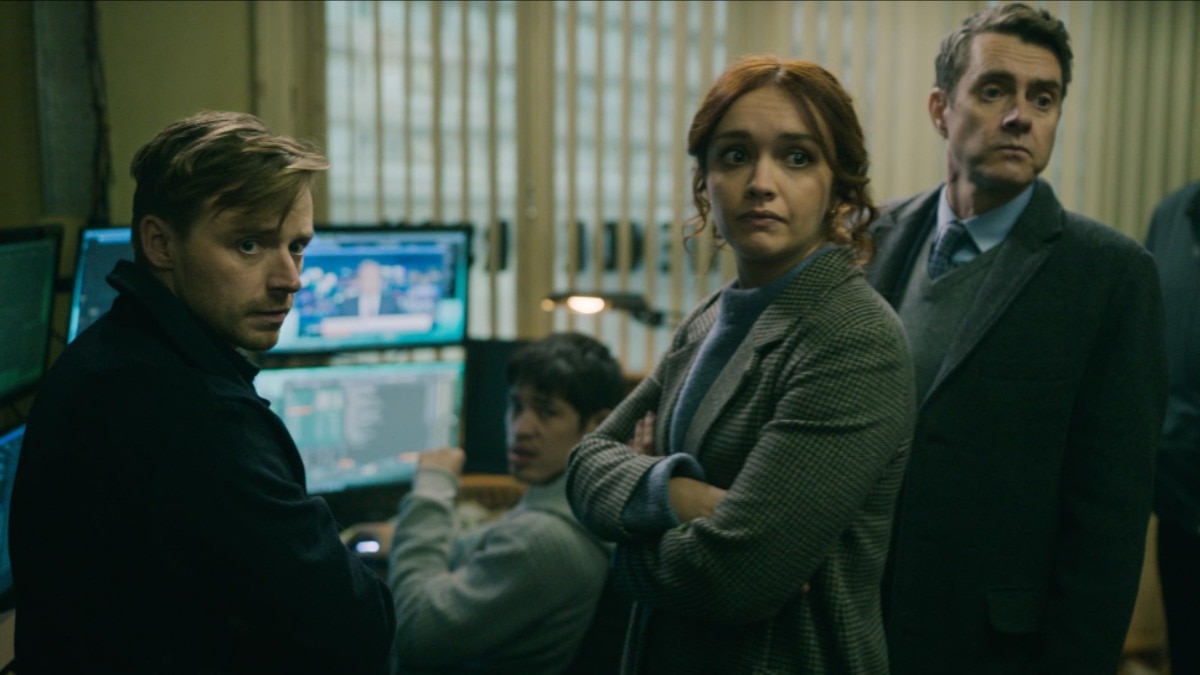
When it comes to the web, shows like Nobody Wants This, written and produced by women—Erin Foster and Kristen Bell, respectively—reflect a growing demand for stories that feel intimate and mature. Romance and vulnerability are treated with care rather than spectacle. These narratives do not try to impress; they simply feel true.
Music that turns personal into powerful
Few cultural forces this decade compare to Taylor Swift’s recent run. Her chart-topping albums and the global success of the Eras Tour are not just about scale, they are about ownership. Swift’s music continues to talk about memory, emotions and personal growth, allowing listeners to see their own lives reflected in her lyrics.
What feels different now is how openly women musicians are embracing both intimacy and ambition. Emotional honesty is no longer positioned as small or melodramatic. It fills stadiums and drives fan culture. It shapes the industry.
Fashion led by women
In fashion, women designers are increasingly leading global conversations. The female gaze is reshaping how power, beauty and desirability are expressed. Miuccia Prada continues to lead this conversation through Prada and Miu Miu, where recent collections have leaned into imperfection, awkwardness and individuality rather than polished glamour.
Closer home, Anamika Khanna’s growing global presence reflects a similar shift. Her recent international showcases have highlighted Indian craft through a modern, fluid lens, creating silhouettes that feel strong without being restrictive. Her work reinforces how the female gaze in fashion today is less about performance and more about authenticity.
Why the female gaze feels urgent now
At a time when culture often feels loud and stretched, the female gaze offers something grounding. It values depth over drama and creates space for stories that linger rather than shout.
Women reclaiming pop culture is not about exclusion. It is about balance and about finally seeing a fuller range of experiences represented at the centre of culture. And as this shift continues, one thing is clear: the female gaze is not a trend. It is shaping the future of how stories are told.
Lead image: IMDb and Getty
Also read: Why everyone wants to live like a European grandmother