Why everyone wants to live like a European grandmother
The nonna lifestyle, with its slow mornings, soft homes and repeated routines, feels like an antidote to burnout culture.

Somewhere between burnout, constant notifications and the pressure to keep up, a very specific fantasy has taken hold. It doesn’t involve quitting your job or moving to the countryside. It looks far more modest and far more comforting. It looks like living the way a European grandmother does.
The appeal of the nonna lifestyle isn’t nostalgia for a past we lived, but a longing for a pace of life we have never quite known. One where mornings unfold slowly, homes feel personal rather than perfected, and daily rituals are driven by care instead of optimisation. In a culture obsessed with speed and visibility, the European grandmother represents a quieter, more grounded way of being.
Slow mornings that don’t apologise for themselves
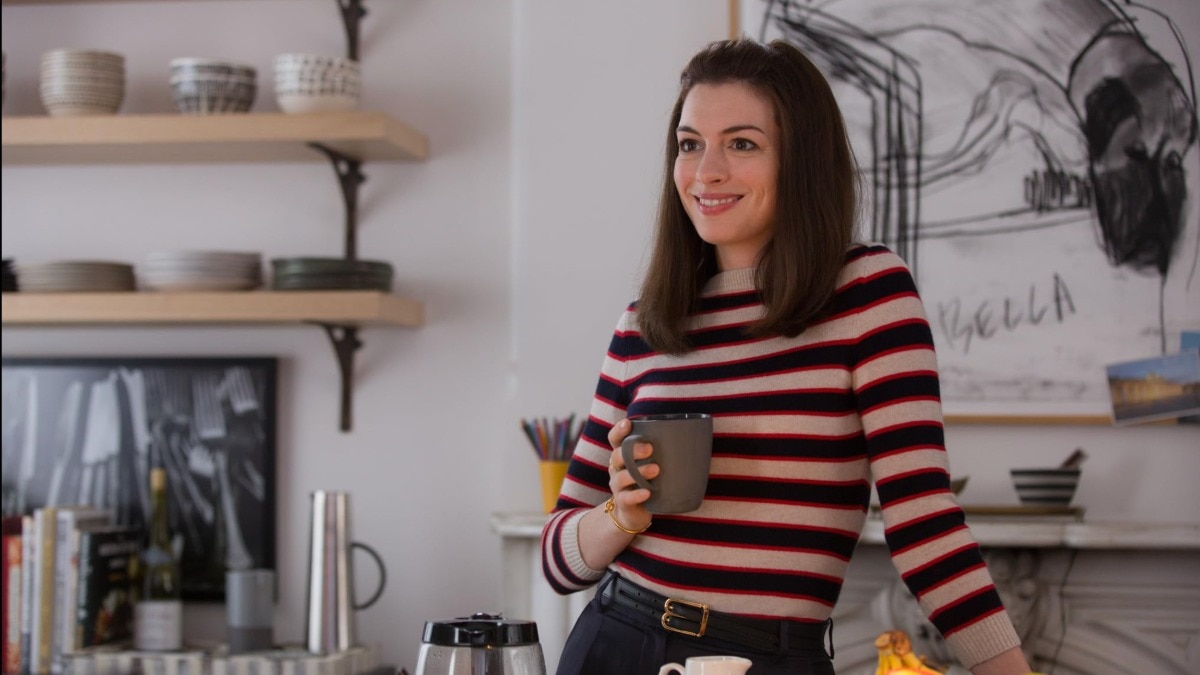
The nonna does not wake up to conquer the day. There is coffee made properly, breakfast eaten at a table, and windows opened to let light and air in. There is no urgency to turn the morning into a productivity performance. This unhurried start feels deeply appealing in a world where even rest is scheduled and tracked.
Slow mornings, in this context, are not laziness. They are a refusal to let life feel constantly rushed. They allow the day to arrive gently.
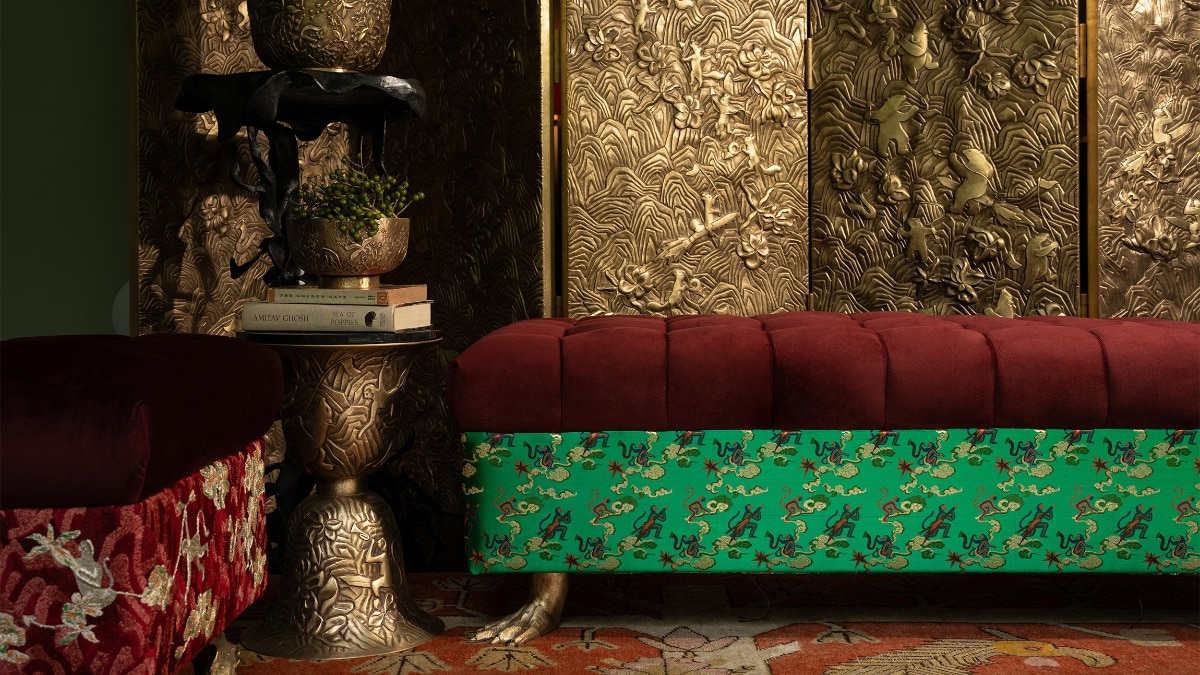
European grandmothers decorate without thinking about trends. Floral tablecloths, crocheted throws, framed photographs, and mismatched plates collected over decades. Nothing is coordinated, yet everything belongs. These homes feel warm because they are shaped by use, memory and habit.
In contrast to hyper-curated interiors designed for social media, the nonna home prioritises comfort and familiarity. Wear and tear are not hidden, and imperfection is not corrected. The result is a space that feels deeply human.
Cooking as a pleasure
Cooking in the nonna lifestyle is slow, intuitive and joyful. Meals are prepared because they nourish, bring people together, and mark time. Recipes are adapted, not followed precisely. Food is tasted and shared.
This approach feels refreshing in an era where food is often framed as content, fuel or a form of discipline. The nonna cooks without documenting it.
The European grandmother does not dress to chase trends. Her wardrobe is built around what works: soft knits, practical shoes, and dresses that allow movement. Clothes are worn because they are familiar and comfortable, not because they are new.
There is a quiet confidence in this kind of dressing. It suggests a deep understanding of oneself and a lack of interest in constantly trying to catch up with trends.
Why this lifestyle resonates now
At its heart, the nonna lifestyle is about choosing care over urgency and trends. It values repetition over novelty, and presence over performance. In a culture that rewards constant output, this way of living feels almost radical.
Living like a European grandmother does not mean rejecting modern life entirely. It just means slowing down where possible and finding beauty in the ordinary and the mundane. It is about remembering that a good life is not built through constant striving, but through small rituals, repeated with intention.
Lead image: Pexels
Also read: On masculinity, memory, and learning to be soft
Also read: 26 things we are manifesting for 2026