




ADVERTISEMENT
Normcore is over. The nerd has inherited cool
In an age inundated with AI slop and digital overload, intellectual obscurity has become a new form of social capital, as culture learns to aestheticise nerdiness and fold it neatly into the rules of display.

There exists an infinite library containing every possible book— every combination of letters, every truth and every lie. In such a library, some books would harbour intelligible wisdom, others would be gibberish—or at least seem so. And therein lies the thesis of Jorge Luis Borges’ story The Library of Babel. Borges reimagines the universe as this infinite library where librarians spend their lives searching for meaning in this chaos, believing that somewhere in the endless hexagonal galleries lies the catalogue that will make sense of it all. What’s haunting about the story isn’t just the infinity of knowledge, but the loneliness of the search. Each librarian pursues their obsession in isolation, hoping that their particular curiosity matters, that someone, somewhere, will witness their discovery.
The search for depth in the mundanities of everyday life has often come at the cost of social capital, leaving nerds trapped in an incessant war of identity. Popular culture has always rewarded the ‘normie’—those who move easily within mainstream tastes and social hierarchies—granting them not only ‘cool’ status but also the authority to gatekeep it. But what does it mean to be ‘cool’ at a time when the mainstream thought is strategically devised, AI-infiltrated, PR-polished, and transfused to us via paid algorithmic web. Probably that’s where the tables turn. The most prudent move then, perhaps, is to simply walk away from the ideas shoved down our throats. The coolest thing you can be now is a nerd.
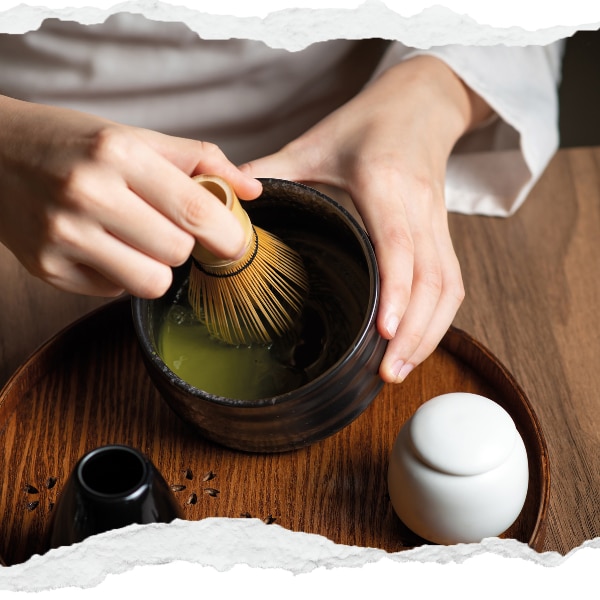
Everyone on the internet wants to escape the internet. Gen Z’s latest ‘posting zero’ and ‘de-influencing’ trends are a response to the ghosts of social media that accompany you even offline. The pressures of posting concert stories of an artist you heard about yesterday, capturing every moment of the trip that was supposed to be relaxing, and the worst of all—pretending to like matcha. The digital landscape which began as a space for sharing ideas, now demands that we think alike, act the same way, and eventually become the same person. That’s where the peril lies, when we all think the same way, we can all be controlled in the same manner.
The counter-culture emerging from this resistance is one that gives me hope. I keep hoarding Instagram posts titled “Media I consumed this week instead of doomscrolling,” as if they are proof of moral progress. They are usually compiled by the digitally exhausted— people who are tired of being online but too online to leave. Each post is a neatly arranged survival kit: long- form YouTube explainers, niche Substack essays, and solemn recommendations for thinking ‘properly’ again. There is The Pain of Becoming Yourself. Can I Trust the Bible? The viral Diet Coke Essay, which views Coca- Cola’s marketing strategy through the lens of gender politics. Young people are actively advocating for media that makes you think and demands sustained attention.
Half the internet has either started writing on Substack or claims they’re about to (Exhibit A: me). This rise of Substack is a testament to our collective yearning for intellectual engagement. Though much of it veers into performative seriousness, the platform has still carved out a rare space for sustained thought in an internet built on distraction. In this sense, Substack has become one of the internet’s most visible arenas for the rehabilitation of the nerd. What was once dismissed as overthinking or excessive intellectualism is now reframed as taste and credibility. The very habits that once isolated nerds now anchor personal brands. Curiosity has become aspirational.
Gen Z, it seems, is vehemently rewriting the rules of cool. Away from the glare of instant virality, they are gravitating towards hobbies that reward patience rather than performance—film clubs, reading circles, analogue photography, archival rabbit holes of research. Silent reading clubs are mushrooming in urban areas, offering people space to read together without the pressure of socialising. “Bring anything you want to read. Love letters, research papers, course books, even shampoo bottles,” read the guidelines to Cubbon Reads—one of India’s largest silent reading movements.
Elsewhere, even the most niche obsessions are finding unlikely stages. Bars are doubling up as classrooms. Over beer and bar snacks, audiences now listen to lectures on everything, from the dark psychology of sports fandom to epistemic injustice. Born in the US through initiatives like ‘Lectures on Tap’, the format has travelled East, taking root in India as ‘Pint of View’ now spanning over 10 chapters. Topics such as ‘How to Make a Song?’ and ‘Martian Tales from a Former NASA Engineer?’ that were once relegated to lonely Google searches are now being decoded in public.
And how can we not talk about books—the ultimate marker of the nerd? Lately, they have seeped into an unexpected territory: fashion. Being seen with a book in public has become the new attention magnet. Recast as accessories, books now enhance aesthetic appeal while silently signalling taste, depth, and cultural capital. Luxury fashion houses have also started to engage with literature. Miu Miu’s Summer Reads project aims to “enrich contemporary thought and community life through the power of the written word.” Through its Literary Rendezvous, Chanel positions itself as a modern patron of the arts, hosting salons and podcasts that champion contemporary women writers. The house says it is “convinced that books shape our vision of the world and help us forge our independence.”
The cat is out of the bag: knowing your interests and owning them is the new cool. This is the best—and most urgent—time to be a nerd: best because culture is finally learning to celebrate it, and urgent because, in an AI-saturated, digitally overloaded world, deep questioning has never mattered more. Yet, as nerdiness becomes aestheticised and absorbed into the language of style, it risks slipping into mere performance—a curated display of intellect designed for visibility and governed by the rules of display. In an age obsessed with being seen, choosing to disappear into ideas may be the only elegant form of self-expression left
This article first appeared in Bazaar India's February 2026 print edition.
IMAGES: COURTESY GETTY IMAGES; ARTWORKS BY TRUSHIETA NARINGREKAR
Also read: In Bridgerton’s scandal economy, reputation is currency, just like today
Also read: What is the “first in my bloodline” trend taking over the internet?
ADVERTISEMENT
Must Read




ADVERTISEMENT