




ADVERTISEMENT
28 Kothi where restraint becomes a form of luxury completes a decade
The idyllic haven has stayed true to itself while Jaipur has transformed around—making it a story of quiet conviction.

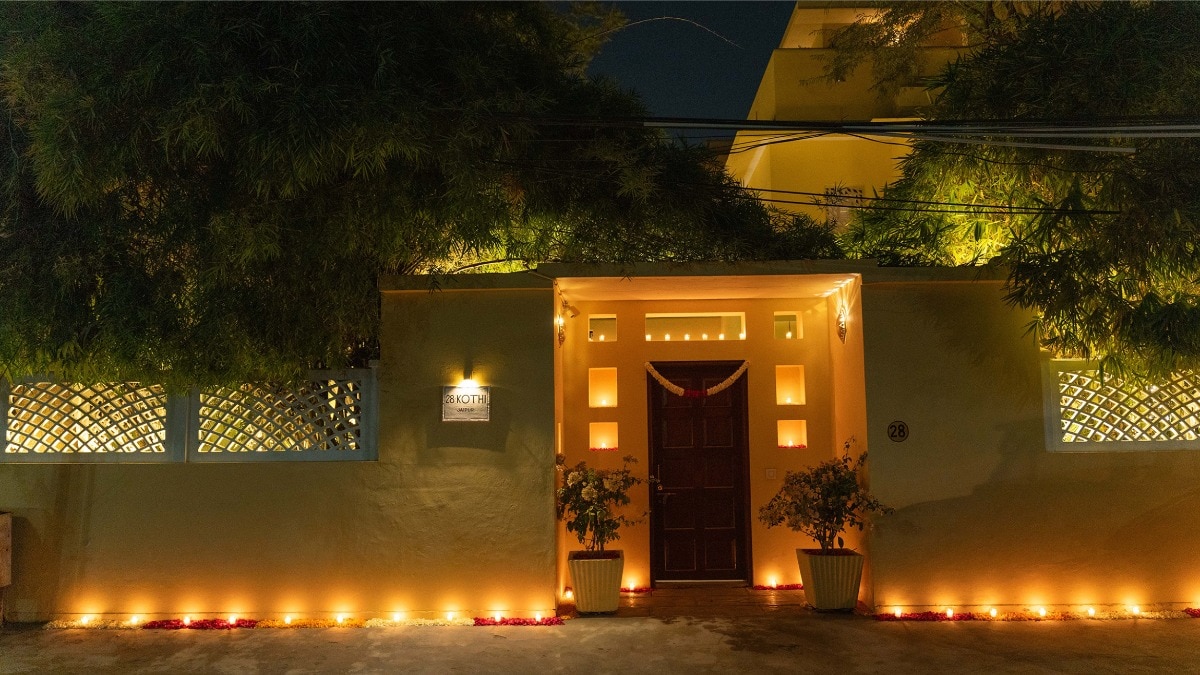
Over the years, 28 Kothi, a boutique hotel in Jaipur, has come to represent less a destination than a considered state of being—the house’s character serving as both a reflection on its past and a subtle articulation of its place within a rapidly changing city.
Nur Kaoukji’s interiors, layered with texture and restrained colour, carry a sense of lived familiarity, while Georges Floret’s architecture brings structural calm that allows light, proportion, and silence to take precedence. Together, their work positions 28 Kothi not as an escape from Jaipur, but as a calibrated counterpoint to it—a place that absorbs the city’s energy while maintaining its own distinct rhythm.
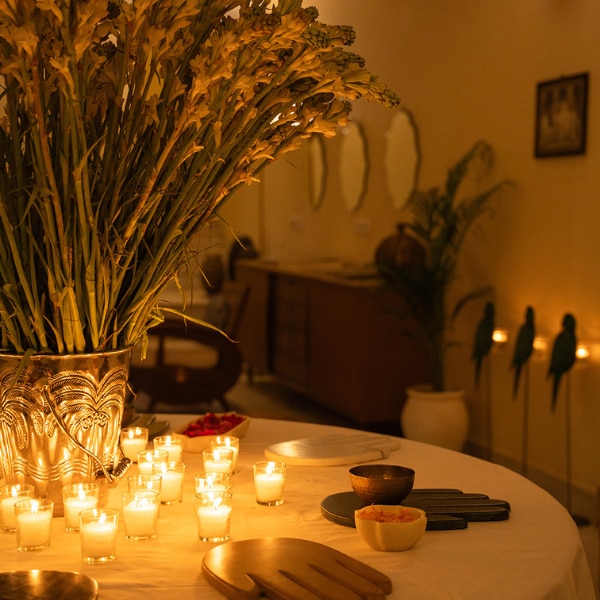
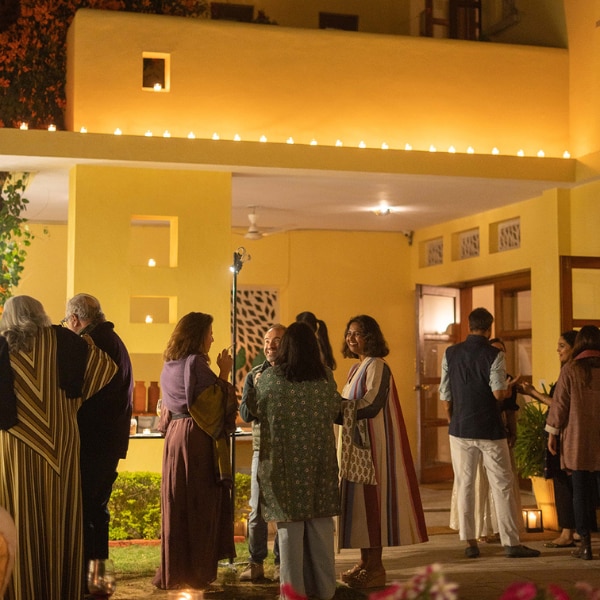
The property marks its tenth anniversary in Jaipur and marks the occasion with an intimate, immersive evening, The Creator Celebrates the Creative. The celebration honours not just the space, but the people—artists, storytellers, designers, patrons, and guests—who have brought 28 Kothi to life. On this milestone, we spoke with Abhishek Honawar, Co-founder of 28 Kothi and Founder of Honar Group, about what the idyllic haven has come to stand for over the past decade.
In our conversation, he reiterates that the idea of sanctuary had never been intended as romantic or abstract. “When I said sanctuary, I meant a place where people could momentarily exhale,” he said, noting that over the years guests arrived carrying professional pressure, personal transitions, and emotional weight, often leaving with a more settled frame of mind. He maintained that 28 Kothi had avoided performative hospitality, instead offering “quiet assurance, familiarity without intrusion, and space for people to be themselves”. He further explains, “I’ve realised that what guests carry with them isn’t just memories of rooms or meals, but a feeling of being held—gently, without expectations.”
Honawar observes the property’s evolution within Jaipur’s cultural landscape. He suggests that 28 Kothi’s relevance stemmed from its refusal to chase prevailing definitions of luxury. “It didn’t attempt to mirror the city’s pace or its increasing gloss,” he insists. “It held its ground, and in doing so, created a different kind of value—one rooted in continuity rather than novelty.” The house functions as both a creative meeting point and a space for reflection, bridging heritage and contemporary thought without feeling over-curated.
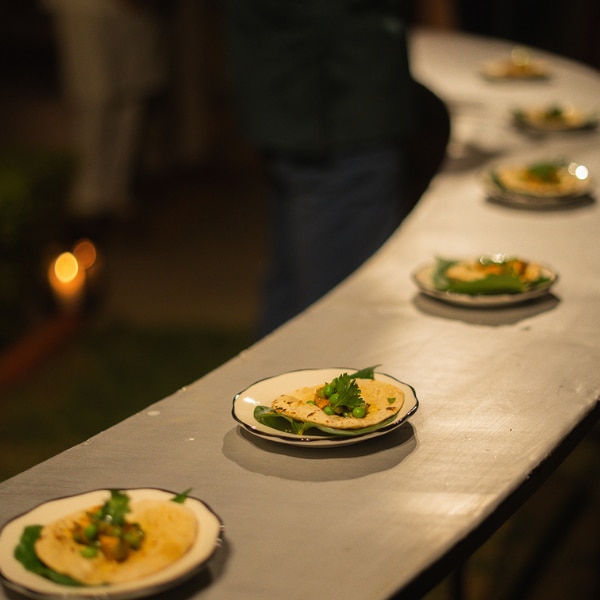
The anniversary celebration itself follows this ethos. The evening features curated storytelling and moments that mapped the house’s journey, alongside considered culinary and beverage experiences.
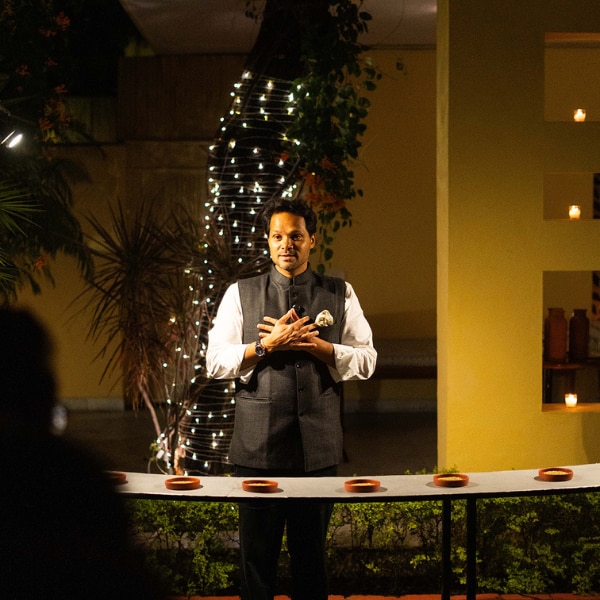
Addressing Jaipur’s rapid transformation, Honawar acknowledged that maintaining 28 Kothi’s original intent had required consistent restraint. “One of our biggest challenges has been staying true to our original intent,” he shares.
“Belonging isn’t created through grandeur—it is built through consistency, memory, and care,” he remarks, explaining why the property had chosen to refine inward rather than expand outward.
When asked what the next chapter would look like, Honawar frames it not in terms of growth, but depth. “We want 28 Kothi to continue being a home for creative minds, thoughtful travellers, and meaningful conversations. This means nurturing collaborations with artists, chefs, writers, and wellness practitioners, and creating moments rather than programming—dinners, salons, residencies, and experiences that feel organic,” he concludes.
All images courtesy 28 Kothi.
Also read: Inside Jaipur’s 'PDKF Artisan Collective' and the women rewriting craft
Also read: Valentino Garavani, the man who showed the world the power of red
ADVERTISEMENT
Must Read







ADVERTISEMENT