




ADVERTISEMENT
Longevity Without the Spectacle: Inside the world’s blue zones
Blue zones are the new green flags of a happy and healthy life

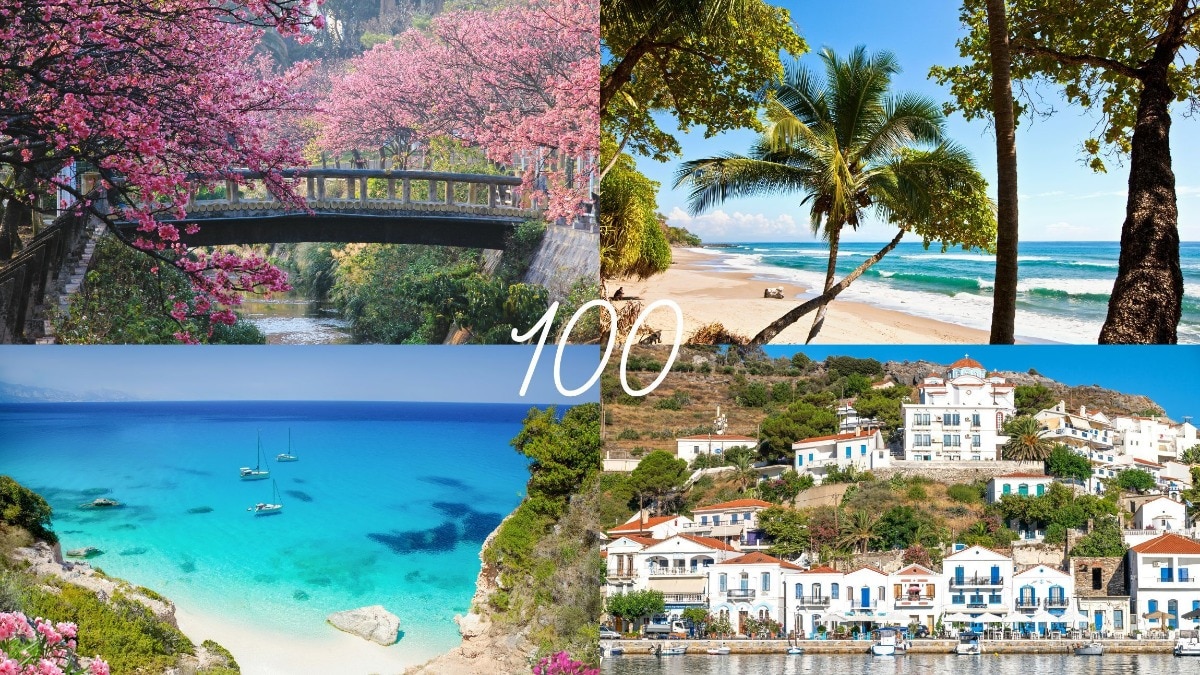
Pockets of the Earth known as “blue zones” boast populations that live healthier, longer lives than the average human, with the highest number of centenarians. Whether you learned about this through Ikigai or Dan Buettner’s novels, one thing we can all agree on is that the blue zones are doing something right, from daily walks to bean-rich diets and social systems in place. Funny how matcha and pilates don’t feature on this list. And neither do 645-step skincare routines. The regions in question are Okinawa in Japan, Sardinia in Italy, Ikaria in Greece, Nicoya in Costa Rica, and Loma Linda in California, which are leading by example, and we’re all (y)ears.
Bean there, done that
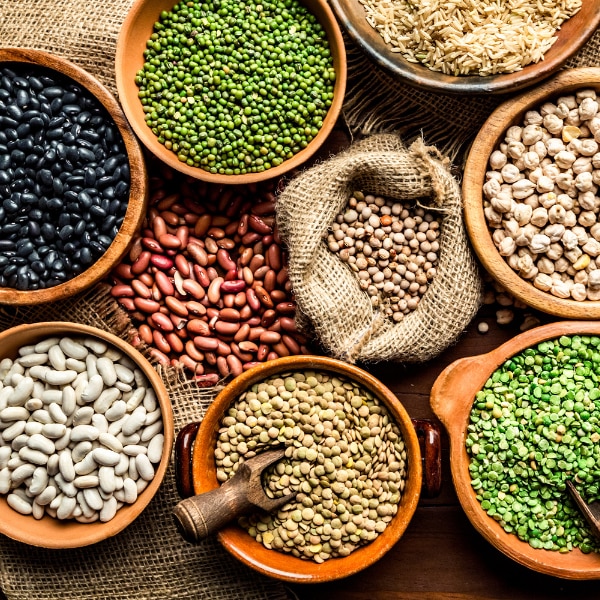
Almost every blue zone relies on the bean for a daily diet. Costa Rica has black beans, Ikaria has lentils, Okinawa loves its soy beans, and there are fava beans from Sardinia, to name a few. Fibre-rich and a great source of plant-based protein, just one cup of cooked beans every day can increase life expectancy by four years. The underrated superfood is everywhere and can be easily incorporated into various cuisines, too. In Japan, there’s also the concept of Hara Hachi Bu. This practice of eating till 80% full prevents overeating, aids digestion and helps with weight management. A universal dietary ethic across the zones also includes cooking at home, with farm-to-table, indigenous and seasonal ingredients.
Make wellness a ritual
Be it meditation, prayer, or journaling, veterans from blue zones swear by the long-term benefits of grounding rituals that curb stress and lead to mindful living. You don’t need any fancy equipment, gua sha tools, snazzy diaries or fitness trackers to get started. But you will need the will and willingness to stay alone with your thoughts, without letting the mind intrude. Over time, emotional resilience becomes a given when the mind recharges, and cortisol levels drop significantly courtesy of wellness activities.
Purposeful living
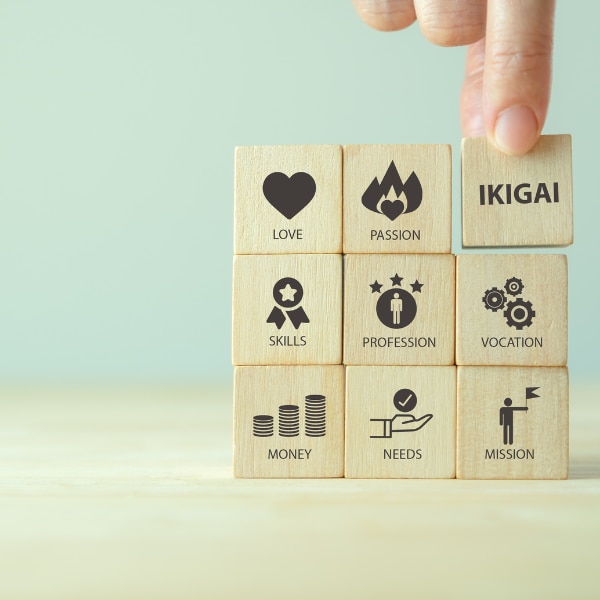
Ikigai by Héctor García and Francesc Miralles illustrates this point beautifully, emphasising the need for a purpose in life. An aim that keeps our moral compass alive and functioning. Elsewhere, Nicoyans live by Plan de Vida, or 'soul’s purpose,' which involves identifying one's core values and passions to live a more fulfilling life. It helps you become the director of your life’s trajectory, before an idle mind takes over.
Social connections
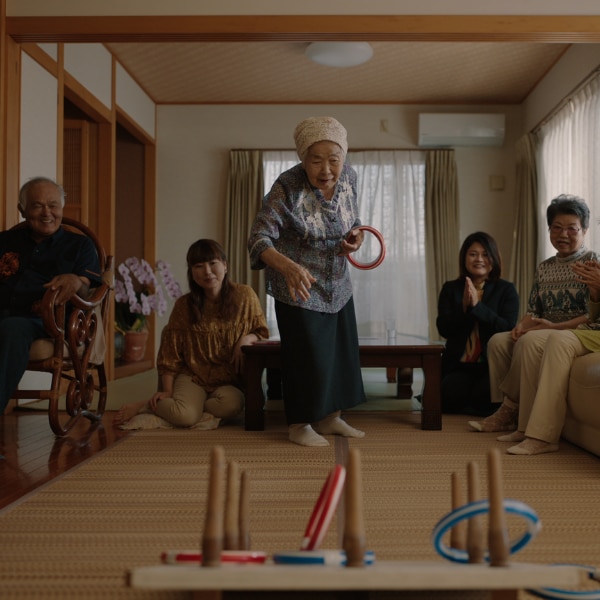
Man is a social animal, but the definition of socialising is no longer what it once was. Basically, video calls and networking events do not count. This calls for quality relationships, built with the right people rather than simply more people. For instance, to foster a sense of close community, Okinawa forms Moai (pronounced mo-eye) or lifelong social support groups, often starting in childhood, that provide members with deep emotional, social, and sometimes financial support. Another important aspect of socialising is to seamlessly integrate it into daily life, rather than treat it as a separate activity. Loved ones are the top priority. This kind of strong social structure reduces the onset of chronic illnesses and improves mental health.
On the move

Blue zones emphasise the importance of taking small, consistent steps towards physical wellness. Think: regular activities that do not demand much skill, like walking, gardening, cooking, and cycling. Regular movement every day has a larger impact than strenuous exercise over a temporary period, and keeps us agile and our minds sharp. The brain remains active, and endorphins released during fitness regimens often serve as the best mood boosters.
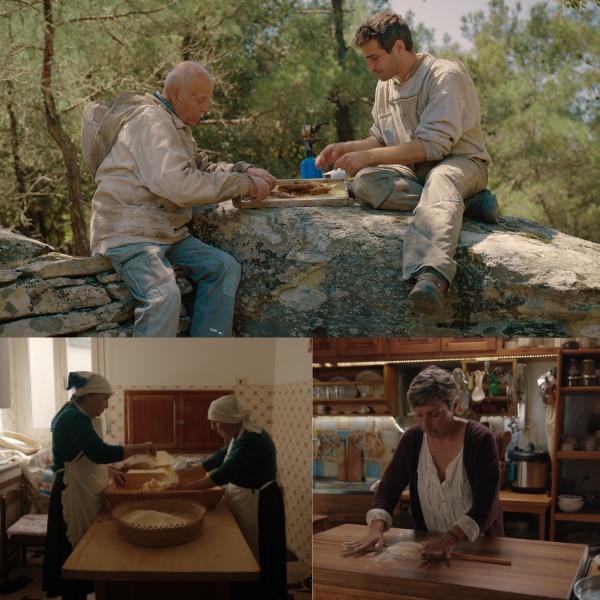
Images: Getty, Netflix
Also Read: Shalini Passi on living beautifully, thinking deeply, and 'The Art of Being Fabulous'
Also Read: Can magnesium really help you sleep better?
ADVERTISEMENT
Must Read





ADVERTISEMENT