From 'Obsession' to indie fashion labels, small is winning big
From breakout indie horror films to tiny fashion labels on global stars, audiences are craving culture that feels more discovered than manufactured.

For years, bigger automatically meant better. Bigger movie budgets, bigger fashion houses, bigger publishing deals, bigger streaming platforms. But 2026 is looking very different. Audiences are suddenly obsessing over the smaller, stranger, more personal things. The Internet’s newest favourites are not always backed by giant studios or luxury conglomerates. They are often niche, homegrown, and unexpectedly relatable.
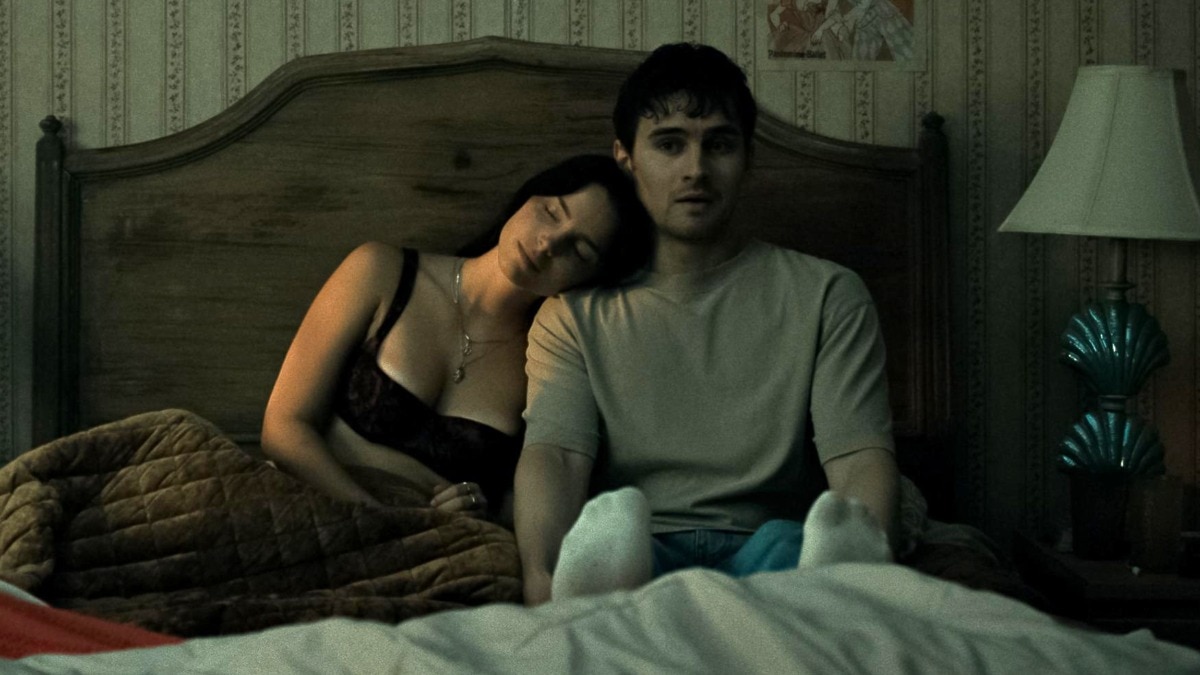
The clearest example right now is Obsession, the indie horror film directed by 26-year-old former YouTuber Curry Barker. Made on a budget of under $1 million, the movie has already made nearly $100 million globally and become one of the year’s most talked-about releases. Even more surprisingly, the film reportedly grew by almost 39 per cent in its second weekend, something horror films rarely do. Much of its success came from word-of-mouth, social media, fan edits, and online communities treating it like a secret they personally discovered.
That exact feeling of “I found this before everyone else did” is shaping culture everywhere right now. People are leaning towards smaller brands, independent creators, niche books, and unexpected artists because mainstream culture has become too polished, too repetitive, and too predictable. In a world overflowing with content, audiences are craving some personality again.
The Internet loves a discovery story
Part of the reason smaller projects are winning is that audiences now want emotional connection more than perfection. A giant blockbuster backed by endless marketing can feel distant, but the success of an indie horror film made by a YouTuber feels personal. Fans feel emotionally invested in the creator’s success because they watched the journey happen in real time.
That same energy exists across fashion and beauty, too. Smaller independent labels are suddenly becoming status symbols because they feel rare and authentic. Recently, SZA sparked conversation online after wearing a lesser-known fashion label, Label Niharika Vivek, at the AMAs instead of choosing one of the expected luxury giants. The excitement was not just about the outfit itself but about discovering something unfamiliar. People flocked to the label’s social media handle, which they had not even known about until a week ago.
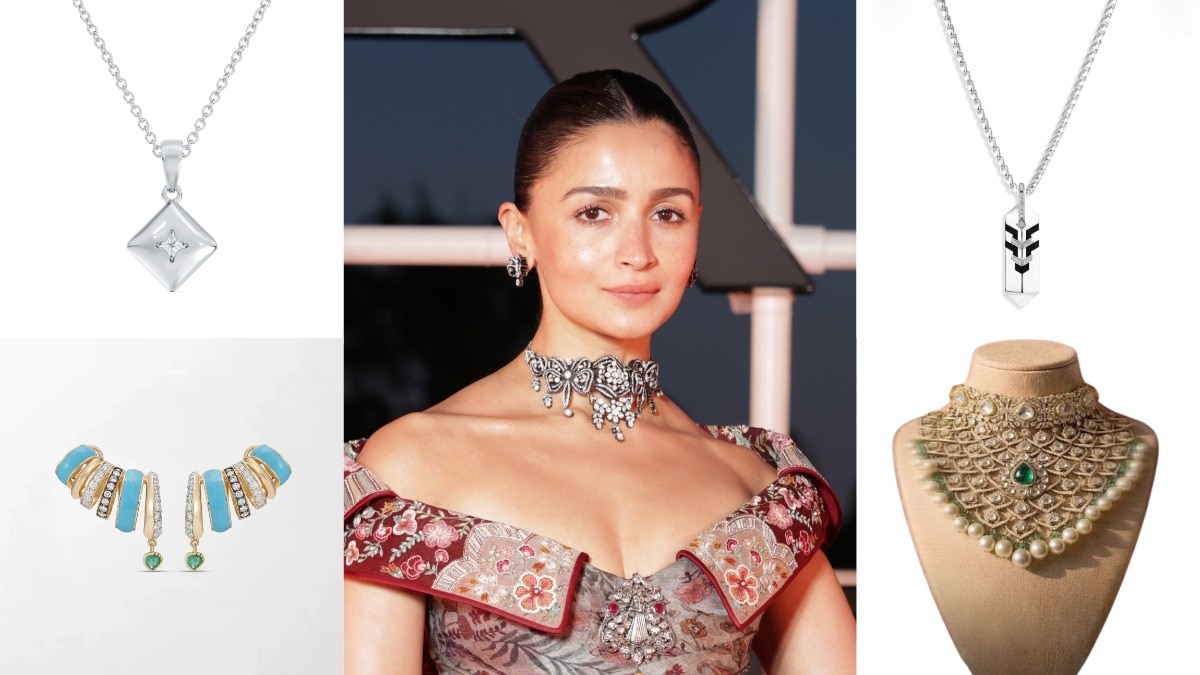
The same thing is happening on Instagram and TikTok. Smaller jewellery brands, indie perfume houses, and tiny fashion pages are growing faster because audiences enjoy finding pieces that do not look mass-produced. The appeal is no longer “everyone has this.” It is more about “not everyone knows about this yet.”
Niche communities are stronger than mass audiences
Streaming culture changed how people consume entertainment. Earlier, everyone watched the same few TV shows and movies. Now, algorithms push viewers into micro-communities. One person’s entire feed is cosy fantasy books, another person’s is underground horror films, while someone else only sees independent South Asian designers.
These smaller communities are incredibly powerful because they feel more passionate and loyal. Fans do not just consume the content. They build memes around it, create edits, recommend it obsessively, and turn it into an acquired identity.
That is exactly what happened with Obsession. Online horror communities treated the film like a movement rather than just another release. Netizens have been calling it “another win for original movies” and praising its low-budget creativity over expensive franchise filmmaking. Even Heated Rivalry, for that matter, was fronted by two newcomers, Hudson Williams and Connor Storrie. Cut to six months down the line, they are two of the most popular names on the Internet and are faces of some of the biggest brands.
BookTok works similarly. Some of the biggest sensations today are not always the books heavily pushed by traditional publishing campaigns or by legacy authors. They are often niche romance novels, fantasy series, or emotionally messy indie stories that readers passionately recommend to one another online. Audiences now trust community recommendations more than corporate marketing.
Big brands are starting to copy the indie formula
Ironically, mainstream culture is now trying very hard to look niche. Luxury brands are collaborating with underground artists. Fashion campaigns are becoming more “raw” and unfiltered. Film studios are giving younger internet-native creators opportunities because they know audiences are tired of safe formulas.
The success of Obsession is already changing Hollywood conversations around low-budget filmmaking. Studios are now paying closer attention to internet creators and original storytelling because audiences clearly still want fresh ideas. But audiences are smart. They can usually tell the difference between something genuinely personal and something manufactured to feel “authentic.”
That is why niche culture is thriving right now. It feels human and, more importantly, personal because it seems like something you have discovered.
And maybe that is what people are really searching for in 2026. Not just entertainment or fashion or trends, but the excitement of finding something before the rest of the world catches on.
Lead image: IMDb
Also read: The side hustle era: Why everyone is building something small in 2026