Is sharing your favorite niche hobby the fastest way to ruin it?
Every hobby begins as a small, personal obsession. The question is what happens when the algorithm decides the world should see it, too.

I once carried a strangely tender obsession with the small, disposable artefacts of childhood: the crinkled pages of Champak, the solemn moral parables of Panchatantra, the exaggerated, slightly absurd cartoons tucked into the margins of old newspapers. There was something archival about the act of saving them. I would clip a forgotten strip or circle a particularly ridiculous caption, laughing to myself simply because it was delightful to read. It felt intimate and oddly fulfilling, as though I were slowly assembling a private museum of my own past.
But the moment I began documenting these fragments on Instagram back when the platform first launched, and the digital gold rush was at its peak, the papery scent of newsprint was replaced by the cold, sterile glow of a screen.
Gradually, the algorithm began to reorganise my curiosity. I was no longer collecting because something amused or intrigued me. I was curating. Each post needed to feel like a discovery, something that might attract likes, saves, or that peculiar little burst of validation the internet delivers so efficiently. The fragments of childhood that once felt accidental and personal were now arranged with intention, framed for an audience.
We are currently “romancemaxxing” our aesthetics and our pasts with remarkable enthusiasm, turning nostalgia into something almost cinematic. But I learned rather quickly that few things drain the spirit from a passion faster than converting it into a public performance. The tiny pleasure of stumbling upon a strange old clipping began to feel secondary to the pressure of sharing it well.
Now, several accounts later, those original posts are long gone, but that hollow aftertaste remains, a reminder of the tax we pay for digital engagement.
When passion becomes a paycheck
This tension has only intensified in a culture that increasingly treats hobbies as unrealised businesses. Somewhere along the way, we developed an allergy to doing things simply for pleasure. If you are skilled at something unusual, the modern instinct is to monetise it.
The hobbyist becomes the “creator.” The collector becomes a curator, merchant, or personal brand.
Consider the person who spends years collecting vintage Zippo lighters, fascinated by the soft click of the hinge and the slow patina of brass. Online visibility quickly reframes that fascination as expertise. Followers arrive. Requests follow. Suddenly, the collection is no longer just a collection. It is content, a potential storefront, perhaps even a personal brand.
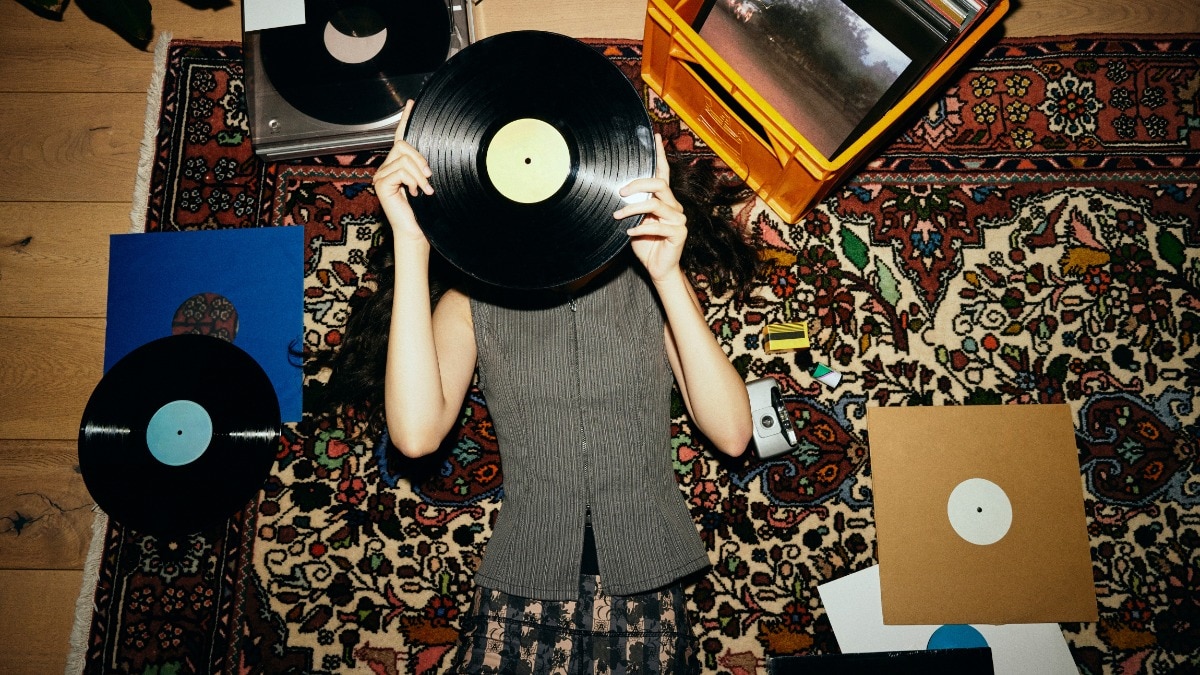
The same pattern appears in vinyl culture. Someone might begin collecting records simply to listen, slowly filling crates with albums they love. Over time, the records climb out of storage and onto the walls, sleeves arranged like art, a room quietly transformed into a shrine to music. But once that vinyl-lined space appears online, it becomes a spectacle. What began as a personal archive invites an audience, and the quiet thrill of finding a rare record begins to compete with a new thought: how will this look on the feed?
What was once a private ritual begins to resemble labour.
This is the unspoken paradox of the digital hobby economy. Turning passion into profession promises freedom, yet it often produces a specific kind of exhaustion. The refuge from the workday becomes another form of work altogether.
Digital fatigue and the death of the “Quiet Interest”
The speed of algorithmic discovery has also accelerated the lifecycle of niche interests themselves. Subcultures that once evolved slowly now pass through visibility, replication, and saturation in a matter of weeks.
Take the meticulous world of aquascaping: the art of arranging aquatic plants and stones to resemble miniature landscapes inside glass tanks. For decades, it remained a patient craft practised in specialist communities. Online, however, it quickly transforms into a visual aesthetic.
The same flattening occurs across countless hobbies. Bookshelves become colour-coordinated décor rather than repositories of reading. Craft tables evolve into carefully staged overhead videos. Collecting becomes styling.
When friction disappears, so does a certain depth of satisfaction.
Part of the exhaustion comes from the sheer velocity of digital culture. By the time someone masters a niche craft, the internet has often moved on to the next aesthetic fascination. The hobbyist finds themselves running on a kind of cultural treadmill, escalating their interest not for curiosity but for relevance.
Maintaining a visible hobby requires constant labour: documenting, responding, and presenting. The mental bandwidth it consumes can slowly eclipse the joy of the activity itself. What disappears in the process is the interest, the strange, solitary fascination that exists comfortably outside the gaze of others.
The ownership dilemma: Belonging vs broadcast
And yet the impulse to share remains deeply human. People post their unusual passions online not merely for attention but for recognition. To discover someone else who cares about the same obscure detail can feel strangely profound.
A person restoring antique fountain pens may suddenly find others across the world doing the same. Someone cataloguing brutalist architecture postcards might stumble into a small but enthusiastic global community. These encounters are the internet at its best: curiosity meeting curiosity.
But visibility also introduces a subtler conflict around ownership. When a niche hobby spreads rapidly online, those who nurtured it quietly for years can feel a peculiar sense of dispossession. The aesthetic travels faster than the history behind it.
Subcultural knowledge becomes flattened into a vibe.
A private fascination becomes a public trend, and in the process, the nuances that once made it meaningful are often the first things to disappear. What remains is a surface-level participation, widely recognisable but strangely hollow.
Which leaves us with an uncomfortable question.
In an era where every affection can be documented, every hobby aestheticised, and every curiosity potentially monetised, what happens to the small pleasures we once kept to ourselves?
Does exposure enrich a hobby by bringing new voices into it, or does the bright glare of digital attention slowly bleach the colour out of the very things that once made it feel special?
Image credit: Getty Images
Also read: Is ‘Lagree’ the new Pilates?
Also read: Being “nonchalant” is the latest trend—but what does it really say about us?