




ADVERTISEMENT
At Delhi’s protest, trust became an act of resistance
A borrowed piece of cardboard, a cab driver's faith, and strangers who refused to let anyone walk alone became the story behind the headlines.

There is a square piece of cardboard somewhere in Delhi that I still think about.
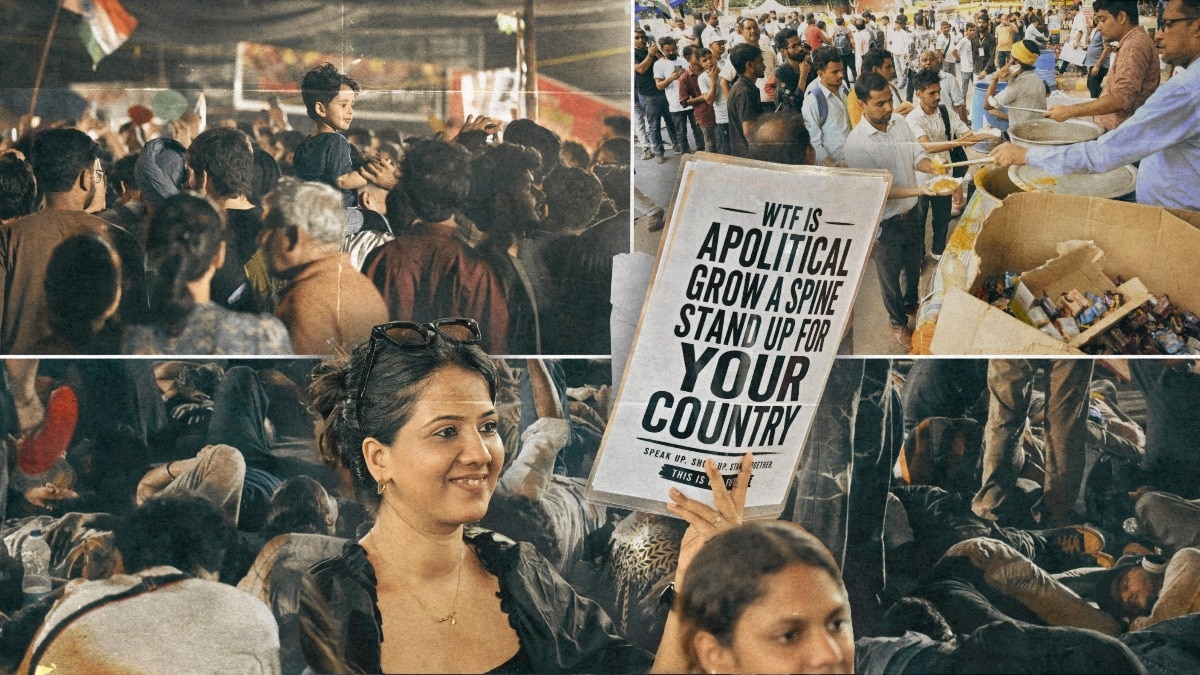
It was flimsy, slightly bent at the corners and had probably once been part of a discarded carton. It had no monetary value. Yet, on a stifling July night, it became one of the kindest things a stranger has ever handed me. In the middle of a protest, while sweat trickled down my back and my clothes clung to my skin, someone noticed I was struggling with the heat. Without saying much, they simply offered me that piece of cardboard so I could fan myself. “Here, you go,” he said, and moved on to the next person who looked like they needed it more.
I used it for the next hour. As I was leaving, I thought of carrying it home as a souvenir. Then I saw a young woman sitting with her friend. Her face was flushed, and she was drenched in sweat as she fanned herself with her palm. I handed the cardboard piece to her instead. She smiled, the sort of smile that briefly makes you forget the discomfort around you.
As Assistant Editor at Harper’s Bazaar India, most of my days are spent talking about fashion, beauty, culture—the usual drill. But none of that happens in a bubble. Fashion isn’t stitched together somewhere separate from the world; it’s shaped by everything happening around it. Pretending otherwise would mean pretending clothes get made for people who somehow live outside of history.
The Cockroach Janta Party’s protests against the NEET paper leak have been discussed through many lenses. There are political analyses, debates over demands, arguments about methods, and endless social media commentary. All of that has its place. But beneath the slogans and speeches was an extraordinary sense of solidarity, something that we rarely get to experience in today’s India. An instinctive willingness to look after one another. A surprising amount of trust among complete strangers.
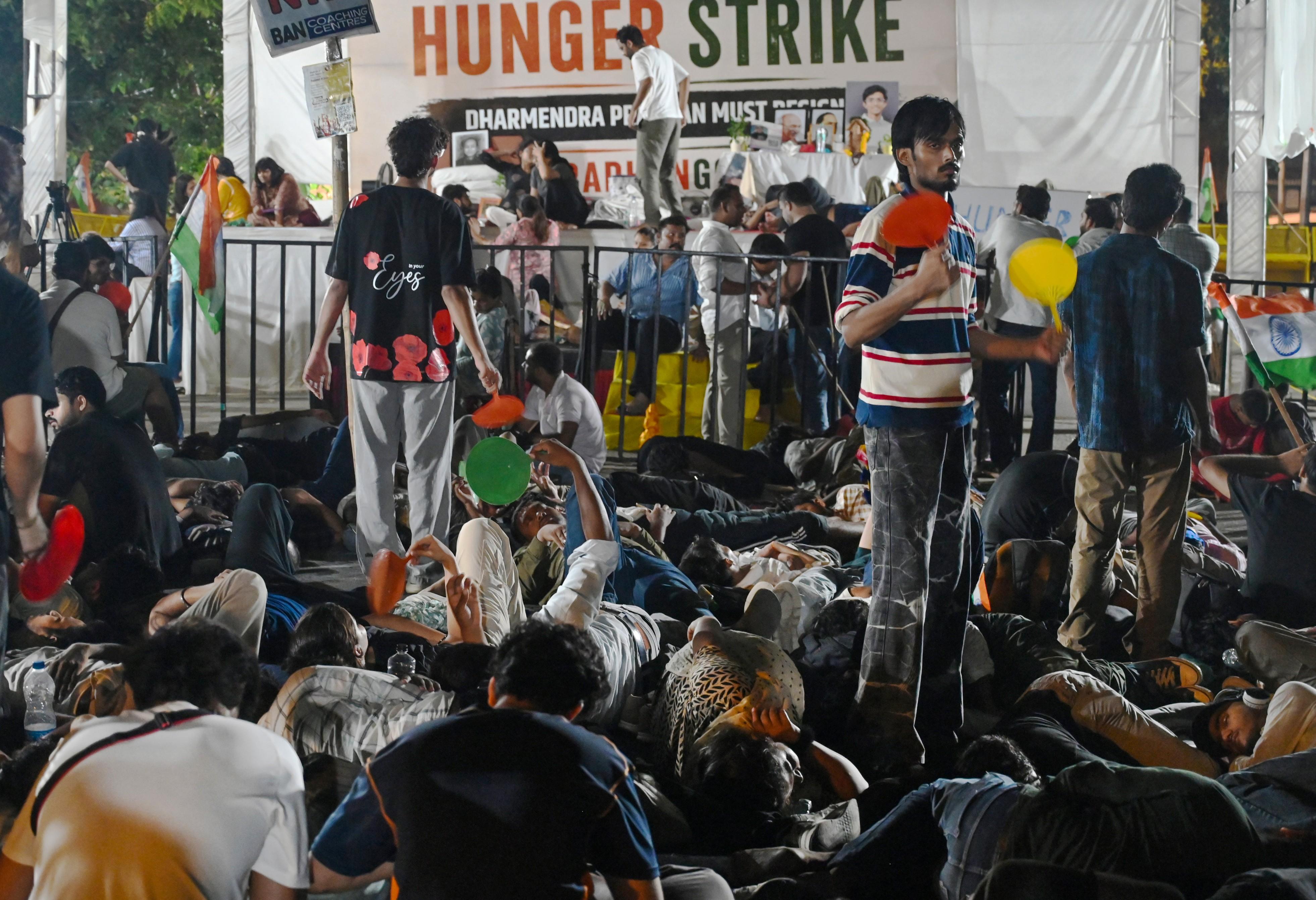
I first went to the protest site at Jantar Mantar on July 18. Until that morning, I was probably trying to find the “perfect time”. I had been following the developments from a distance. Then came the news that scientist and climate activist Sonam Wangchuk, who had been on a hunger strike for nearly three weeks, had been “shifted” from the protest site by the police and admitted to a government hospital. That image of him being wrapped in a white sheet and forcibly taken away lingered.
That night, almost impulsively, my husband and I decided to go.
By the time we reached Jantar Mantar, it was around 10.30 pm. Long before we arrived, we could hear the slogans. I no longer belonged to student politics. Those years are behind me now. But somehow, I felt that I belonged there. Perhaps it was because nobody asked who I was.
A young woman requested that I record a video while she carefully painted words onto a poster.
People moved through the crowd distributing food packets and bottles of water. But there was nothing performative in it. The weather was unforgiving. Everywhere I looked, people were fanning one another with plastic fans, newspapers, dupattas, cardboard pieces, literally anything that could create the faintest breeze.
Some sat in circles raising slogans. Some recited poetry. Some wrote posters. Some sang while more voices joined in. Conversations flowed between strangers who would probably never meet again.
I saw an unusual cross-section of people sharing the same space: the poor and the privileged, people belonging to different faiths, men, women, the elderly, the young, even children, all sitting in that heat together. The diversity itself was not remarkable. Delhi often throws different worlds together. What struck me was how naturally people occupied the same space. No one seemed interested in where you came from, what language you spoke, how much you earned, or what social capital you carried into the gathering. Everyone was sharing the same heat, the same exhaustion and, above all, the same hope.
There was hope in people’s eyes that night. Hope, I have come to believe, is as contagious as courage. I am not someone who is easily swept up in collective feeling. I tend towards scepticism as a rule. Yet I found myself carrying home a strange satisfaction that night, the kind I rarely feel these days. It is difficult to explain because it did not come from believing that everything would suddenly change. It came from witnessing people choosing to show up for one another.
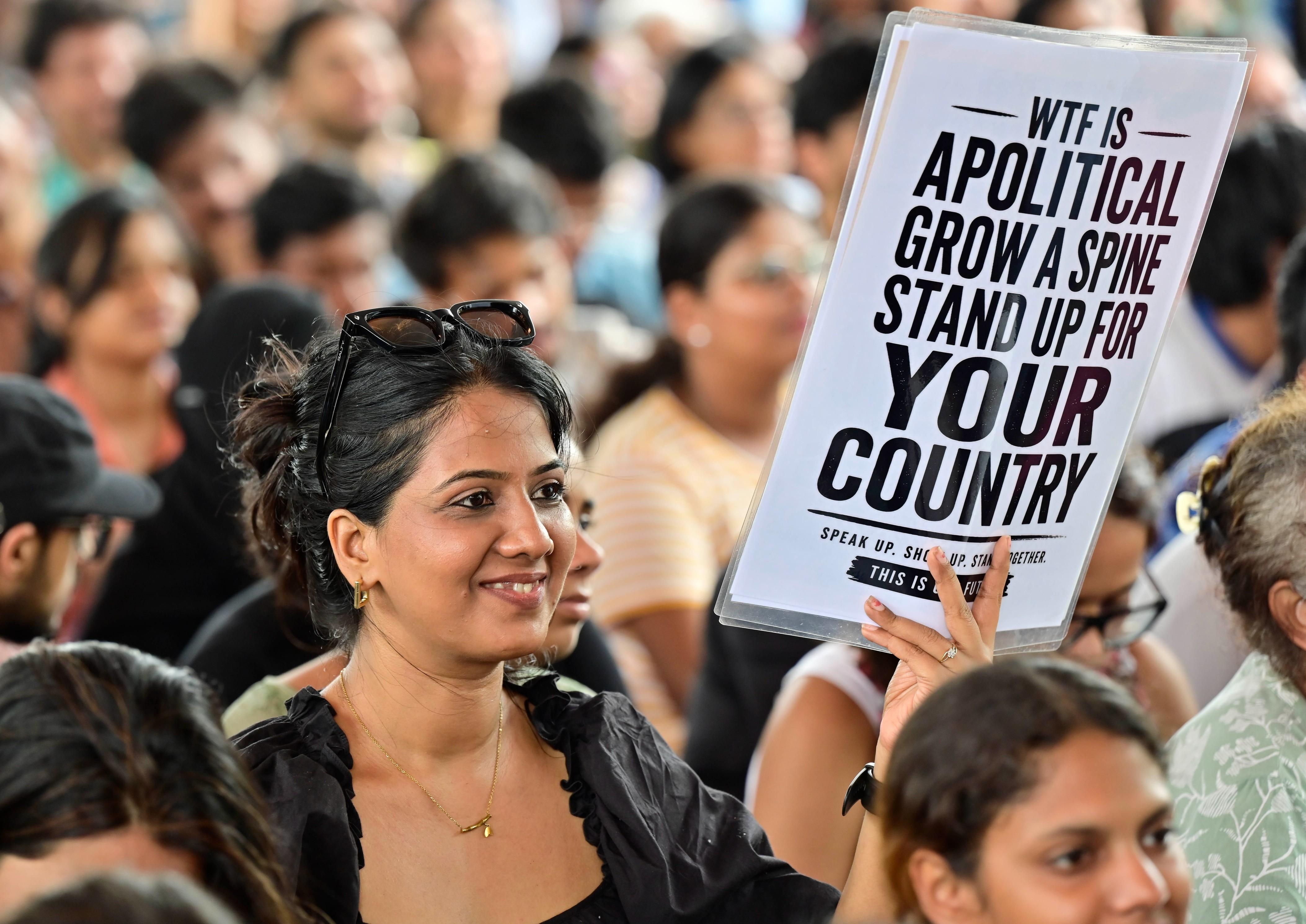
Two days later, I found myself heading towards the protest site once again, this time to participate in the Sansad Chalo march.
This journey tested my patience long before I reached the protest.
I left home around 8.30 am expecting to arrive by 9.30. My estimated arrival time kept shifting until it became obvious that Delhi’s roads were no longer functioning normally. Roughly three kilometres before the protest site, police barricades brought traffic to a halt. Everyone had to continue on foot.
As I got dropped off almost 3km from my destination, I felt a small jolt of panic because I was not carrying any cash, an increasingly common habit in a country that keeps insisting it has gone digital. I could not pay the driver through any app without the internet. I tried three times to get the payment through and failed each time. My cab driver, sensing my anxiety, simply waved it away. “Koi nahi, ma’am,” he said. “Aap protest mein ja rahe ho na, baad mein de dena paise. [No problem, ma’am. You are going for the protest, right? You can pay me later.]” No fuss, no suspicion, just an assumption that I would return and settle up. I remember walking towards Patel Chowk afterwards, turning that exchange over in my mind, wondering how a man who did not know me at all could trust me so completely with something as ordinary and as significant as money.
Trust feels increasingly scarce in everyday urban life. We verify identities before making tiny payments. We hesitate before answering unknown phone calls. We are suspicious of unsolicited kindness.
Yet that morning, a cab driver simply believed a stranger would keep her word.
It was not the last time that day I would encounter such trust.
I had planned to meet a friend, but with phones rendered almost useless, we could not locate each other. After wandering for some time, I resigned myself to the possibility that I would have to navigate the day alone.
A group of young protesters approached me.
“Have you come alone?” one of them asked.
I explained that I had lost contact with my friend.
“Come with us,” they said. “Don’t walk alone.”
It was as simple as that.
They had travelled from different parts of the National Capital Region. Some were from Noida, others from Faridabad. Some of them had come from different states of India. For several of them, it was their first protest.
Within minutes, we were walking together as though we had known each other much longer. Every few steps, someone checked whether everyone was still together. Someone passed around water bottles. Someone looked back to ensure nobody had fallen behind.
It sounds ordinary, but it did not feel like that. For hours, I experienced the comforting feeling that somebody I had never met before was quietly looking out for me.
Eventually, I found my friend.
She too had been absorbed into another small group of strangers who had stayed with her until we reunited.
Neither of us had asked for protection. Neither group expected gratitude. Helping one another had simply become the default behaviour. What has stayed with me since is how little anyone around me seemed to care about who anyone else was outside of that shared purpose. There was one shared agenda that day, a demand for accountability, and everything else fell away.
We walked for miles that day. The humidity remained relentless, and every step demanded effort. But whenever I felt tired, I found myself thinking about the people who had maintained the protest for weeks. If they could continue for a month, surely I could continue for a day.
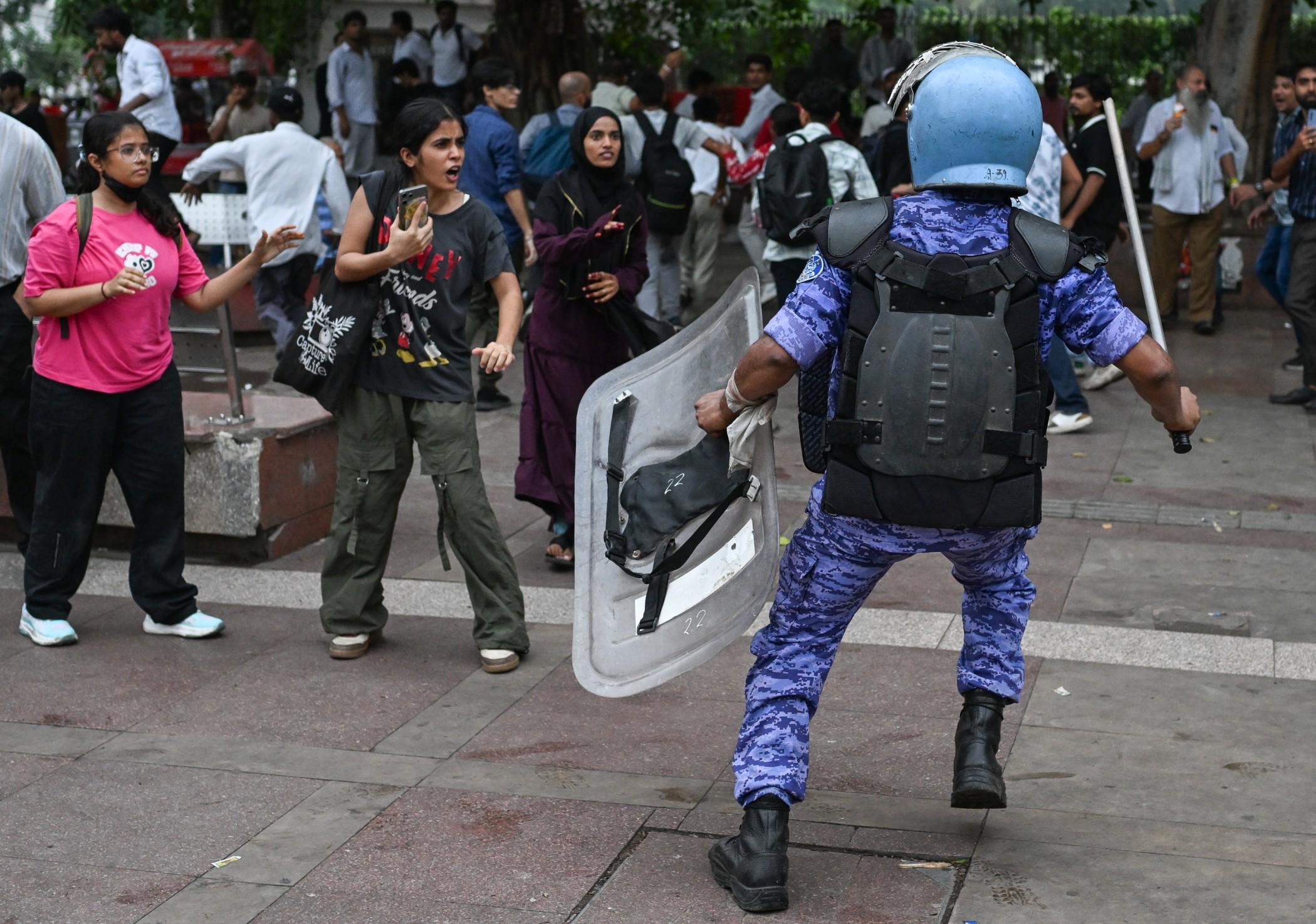
My friend and I left shortly before reports emerged of police action.
Back home, I spent hours refreshing Instagram, trying to piece together what had happened. The videos were difficult to watch. Images of people being lathi-charged, tear-gassed, detained, and dispersed filled my screen.
Unexpectedly, I found myself searching those videos for familiar faces. The strangers who had shared water, offered directions, walked beside me or handed me a piece of cardboard.
I did not know their names. I knew nothing about their professions or personal histories. Yet I cared deeply about whether they had made it home safely.
Solidarity is often described as a political concept. But it is also profoundly human. It is the decision to care about someone you owe nothing to. It is trusting that the person beside you will not let you walk alone. It is offering your last bottle of water to somebody else. It is a cab driver deciding that payment can wait because he believes your word is enough.
When I finally reached home, I called the cab driver as soon as the payment went through. He confirmed and thanked me. Then he asked, almost immediately, “Sab theek? [All okay?]”
That question stayed with me.
I have attended several protests since I was 18. Over the years, I have stood in crowds for different causes, watched movements gather momentum, and hope emerge from unlikely places.
The outpouring was unprecedented this time. Large crowds are often associated with anxiety. We instinctively prepare ourselves for pushing, suspicion, and conflict.
This one felt different.
People seemed to have entered with an unspoken agreement that they would take care of whoever stood next to them.
Somewhere in Delhi, that square piece of cardboard is probably long gone. But the instinct that passed it from one pair of hands to another is still very much alive. As for my souvenir? I carried back two things: hope for a better future and the courage to question everyone, every time.
Images: Getty Images
Also read: Art is political. Anything contrary is irrelevant
Also read: Why Instagram has become Gen Z’s front page for breaking news
ADVERTISEMENT
Must Read









ADVERTISEMENT