




ADVERTISEMENT
The best new novels exploring climate, identity, loneliness, and belonging
From climate rebellion to intimate reckonings, these novels deal with all present-day problems, exploring memory, belonging, resistance, loneliness, and human connection.

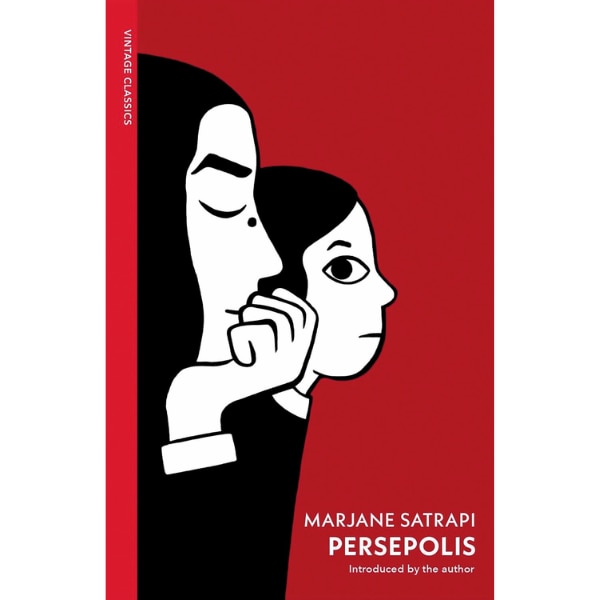
We live in a world where voices like relevant than ever. I remember first reading, and then watching, Satrapi’s staggeringly beautiful coming-of-age graphic novel in university, when much like her headstrong, romantic heroine Marji I too had too much anger at the way of the world and far too much hope about changing it all with one fell stroke. But today, many years later, when I look back at the miracle of a book that is Persepolis, I do not take stock of the novel’s radical irreverence for regimes that trample down upon our human spirits. Instead I take solace in its insistence, that even in the darkest, and most hopeless of times, what must bind us together is our shared love, friendship, and humanity. Because, what truly is the point of a revolution that does not allow you to dance? Through pages of monochrome and bursts of vibrant colour, remember a life lived to the brim, and a once-in-a-generation authorial voice as you let yourselves get swept by the life of Marji and her family in a pre-and-post-revolution struck Iran in this tender bildungsroman.
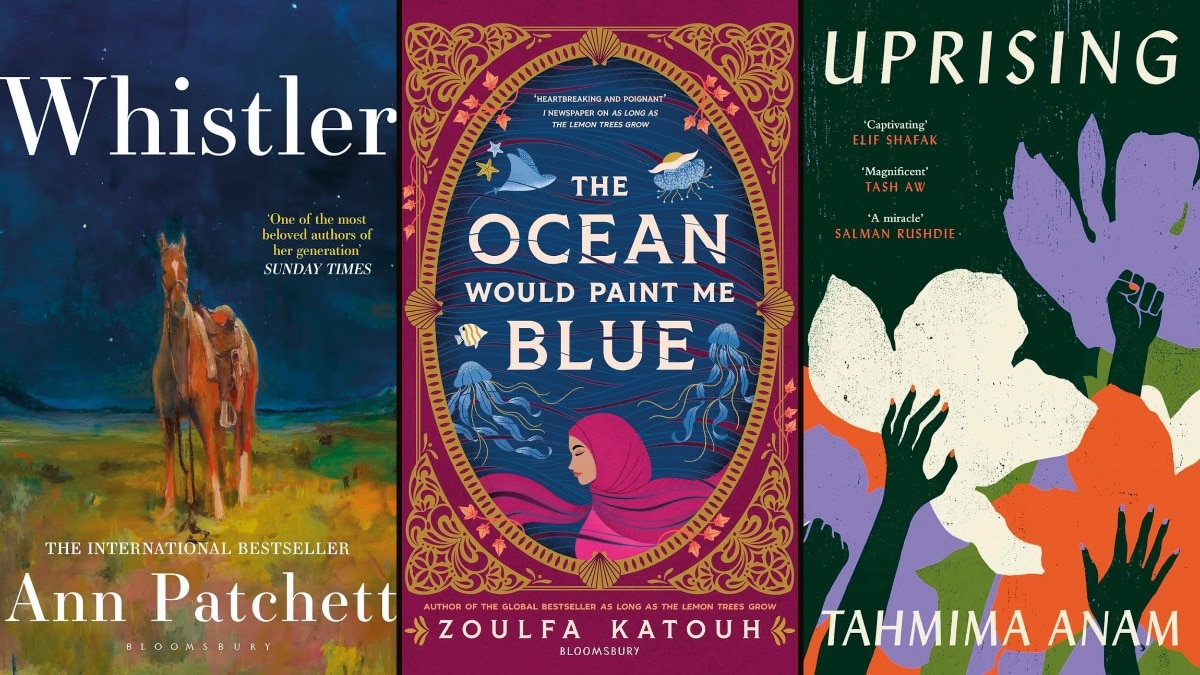
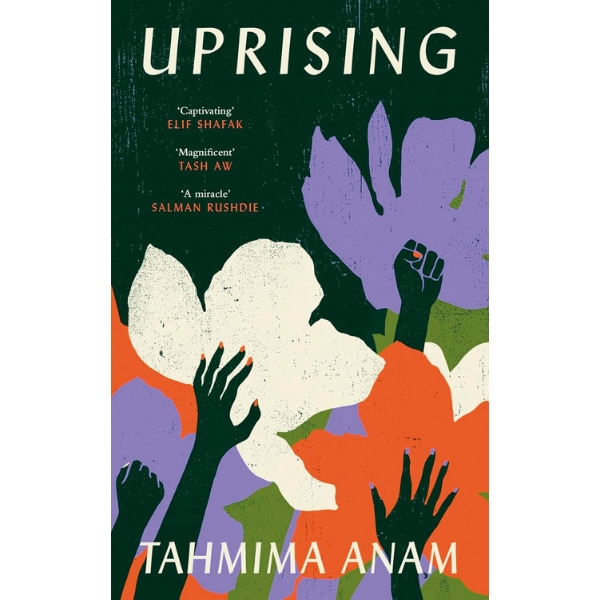
In Uprising, Tahmima Anam departs from her usual genre of historical and diasporic fiction and, like many other contemporary South Asian authors today, veers into the realm of climate fiction. Set on a desolate island slowly being swallowed by the sea and based on the real life Banishanta brothel in the Sunderban mangroves, this novel centres on a community of women trapped in exploitative sex work under Amma, a ruthless madam who perpetuates the very violence she once endured. While the women have learned to survive within the confines of their captivity, their children—also the narrators of this novel—dream of another future, spinning stories of escape and freedom beyond the horizon. The arrival of Kusum Khan, a young, educated woman from the city, becomes the catalyst that upends everything. Refusing to submit to Amma’s authority, Kusum ignites a spark of rebellion that leads to a sweeping, emotionally charged revolution led by women who have long been denied agency over their own lives. Blending mythic storytelling in measured prose with sharp political insight, Anam crafts a powerful allegory about oppression, resilience, and liberation, and quickly joins a canon of South Asian authors—established and new—turning their eyes towards the climate crisis tearing apart the subcontinent.
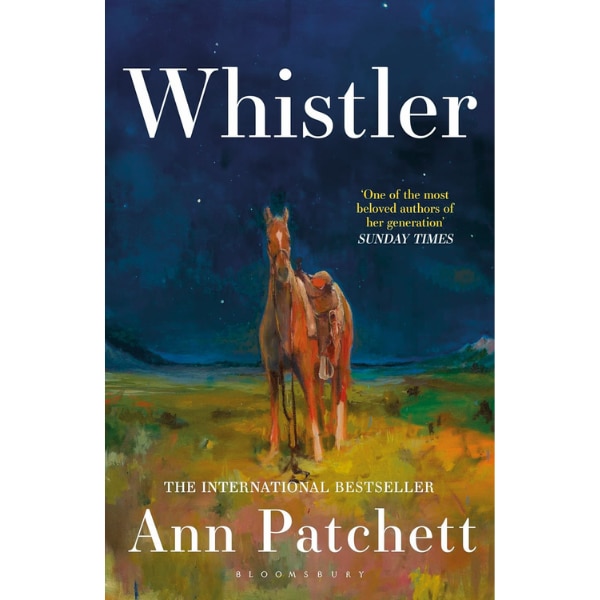
Few contemporary writers capture the quiet complexities of human relationships like Ann Patchett. At the heart of Patchett’s latest, Whistler, is an unexpected reunion: when Daphne Fuller and her husband visit New York’s Metropolitan Museum of Art, they encounter Eddie Triplett, Daphne’s former stepfather, whom she has not seen since childhood. Though he was only part of her life for a little over a year, Eddie’s presence shaped her in ways neither of them ever forgot. What follows is a meditation on memory, family, and the invisible threads that connect people across decades. Switching between multiple timelines, Patchett examines the choices that define us, the losses we carry, and the relationships that leave an indelible mark on our lives. Unfolding at a languid pace, with a strikingly poetic rhythm, the novel is less concerned with dramatic revelations than with the profound intimacy of being truly seen and understood by another person. I only wish that amidst its overall saccharine tonality, Patchett had managed to retain some of the wry, spiky, flintiness of her non-fiction essays, which are often an equally effective way of meditating upon the follies of the bonds that tie us to other humans.
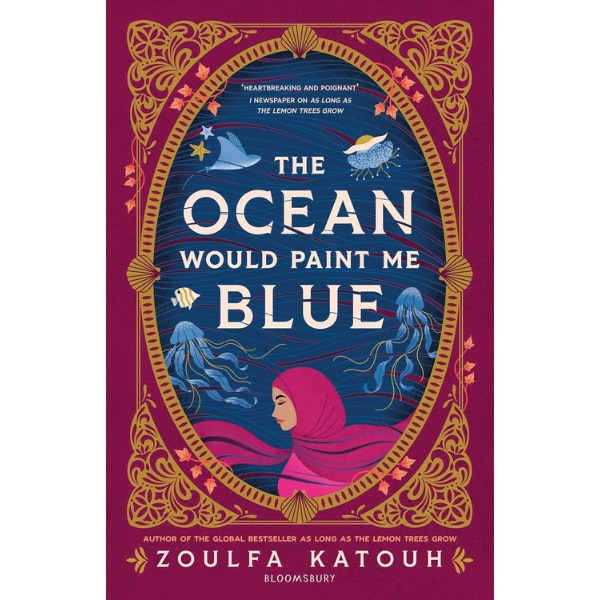
After the critical and popular acclaim received by As Long As the Lemon Trees Grow, Zoulfa Katouh returns with another emotionally resonant novel that explores grief, identity, and belonging through the eyes of a young girl navigating loss and prejudice. The Ocean Would Paint Me Blue follows Jihad, who is forced to rebuild her life after the sudden death of her mother. At an elite high school where she is the only visibly Muslim student, she finds herself confronting isolation, suspicion, and the weight of being perceived as different. What unfolds is a moving coming-of-age story about resilience and self-discovery. Through an old sketchbook and memories of the stories her mother once shared, Jihad begins to reclaim her voice in a world that often seems determined to silence it. Katouh approaches difficult themes—including Islamophobia, grief, and displacement—with tenderness and nuance, crafting a narrative that feels intimate yet urgently relevant.
Devastating in parts, yet overarchingly humane, this latest work by Katouh is another compelling addition to the argument of her legacy as one of the seminal contemporary young adult storytellers of our times.
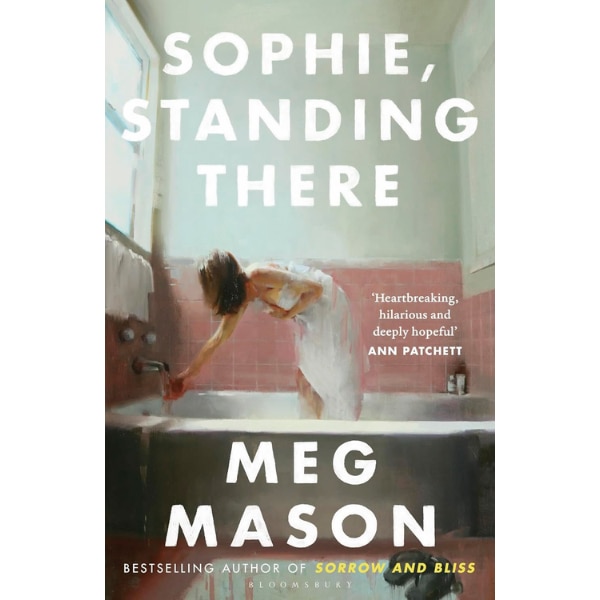
Following the international success of Sorrow and Bliss, Meg Mason returns with Sophie, Standing There, a tender, witty, and deeply perceptive novel about loneliness, and literature. At its centre is Sophie Pattison—a woman who is warm, dependable, and beloved by those around her, yet adrift in her own solitude. Her days pass in silence, punctuated by books that offer the companionship and understanding she struggles to find elsewhere. Everything changes, however, when Sophie rediscovers an author she once loved. Soon, the writer’s novels, interviews, and podcasts become a lifeline, offering comfort, intimacy, and the feeling of being seen. What begins as admiration slowly evolves into something more profound, raising questions about attachment, longing, and the emotional bonds we form through art. With characteristic humour and emotional precision, Mason celebrates the richness of seemingly ordinary lives while exploring the universal desire to belong. It is a beautifully observed, yet partly heartbreaking novel that will resonate with anyone who has ever found solace between the pages of a beloved book.
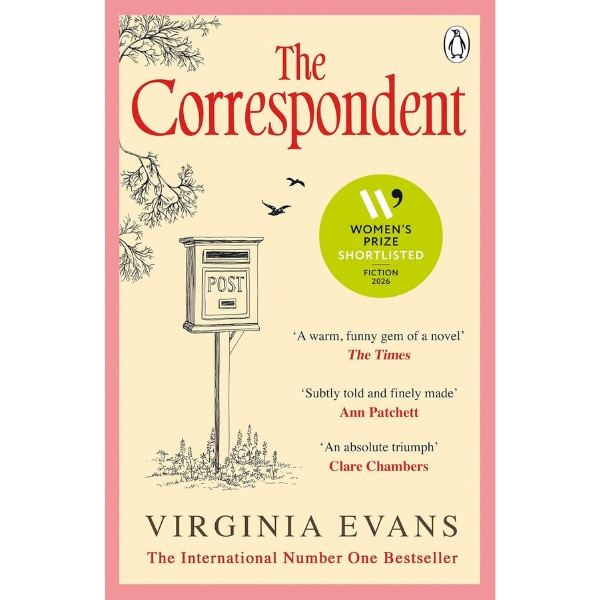
Winner of the Women’s Prize for Fiction 2026, and a loving paean to the dying art of correspondence, The Correspondent by Virginia Evans follows the story of Sybil Van Antwerp, a 73-year-old woman who has spent decades making sense of the world through letters. Every morning, she writes—to family, friends, university administrators, favourite authors, and one person in particular whose letters she never sends. Sharp-witted, observant, and fiercely independent, Sybil has carefully constructed a life mediated through correspondence, keeping emotional intimacy at a safe distance. But when unexpected messages from someone connected to her past arrive, the delicate order of her world starts to unravel. Forced to confront old wounds and regrets, she must finally reckon with the letter she has been writing for years and with the possibility of forgiveness. Evans’ epistolary novel is sometimes formally static, but moving meditation on loneliness, memory, and the transformative power of human connection. It is also a skilful study of character—especially a woman who by conducting her most intimate relationships over written correspondence all her life, deliberately maintained a shocking distance between herself and the world around her.
This article originally appeared in Harper's Bazaar India's June-July 2026 print issue.
Lead image: Courtesy Amazon India
Also read: The literary fiction and translated books everyone should be reading right now
Also read: The rise of ragebait lit
ADVERTISEMENT
Must Read







ADVERTISEMENT