




ADVERTISEMENT
An insider’s guide to India Art Fair 2026
Director of External Relations & Outreach at India Art Fair, Umah Jacob, presents an insider’s guide to IAF 2026.

It’s already that time of the year again! Delhi’s cultural calendar reaches its zenith in February as India Art Fair (IAF) transforms the city into the mecca of art. With incredibly exciting exhibitions by some of the region’s most important artists, seminal museum shows, international artist presentations, special gallery nights, and dynamic programmes featuring emerging artists, this is when the art world pulls out all the stops, staging their most ambitious programme of the year.
And to top it all, at IAF 2026, we have the most stellar line-up, a real testament to the strength and veracity of the art scene in South Asia today.
Here are the highlights to catch at this year’s edition:
FAIR FAÇADE
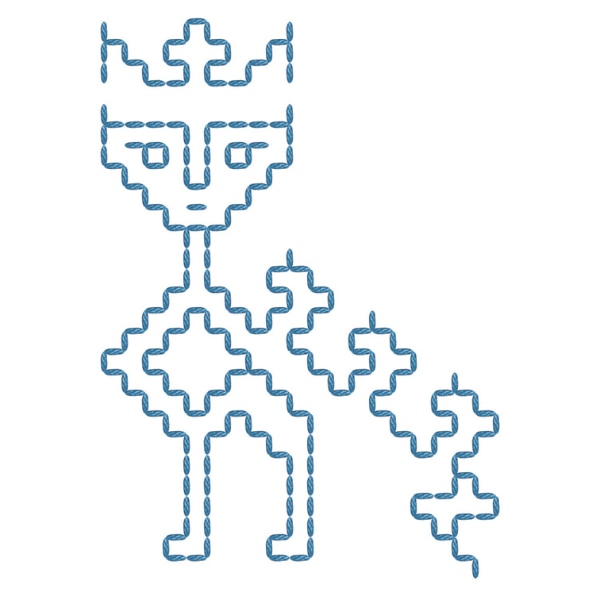
This year marks 10 years of collaboration for IAF and BMW, and to celebrate, we reframe the iconic The Future Is Born of Art Commission into a mammoth artwork, relocating it to the fair’s façade where it transcends the tents themselves. The 2026 commission is awarded to the intensely talented Afrah Shafiq, an artist whose work excavates the quiet intelligence of embroidery—its patterns, pauses, and marginal notes— long overlooked in histories of making.
Titled Giant Sampler, Shafiq’s work transforms intimate stitching motifs into a monumental surface, drawing attention to the labour, memory, and rituals that shape women’s lives. She says, “I have been fascinated by the mathematical and computational logic that underpins practices such as weaving, knitting, crochet, and embroidery—studying them as visual and symbolic languages.”
By translating embodied, craft-based knowledge into algorithmic and screen-based forms, Shafiq collapses the distinctions between hand and code, tradition and technology. Rooted in tactile knowledge yet mediated through contemporary technology, the work unfolds further through an interactive AR layer, inviting viewers to trace the stories embedded in each thread. Here, craft becomes both archive and proposition, stitching past and future into the public realm.
ARTISTS IN RESIDENCE
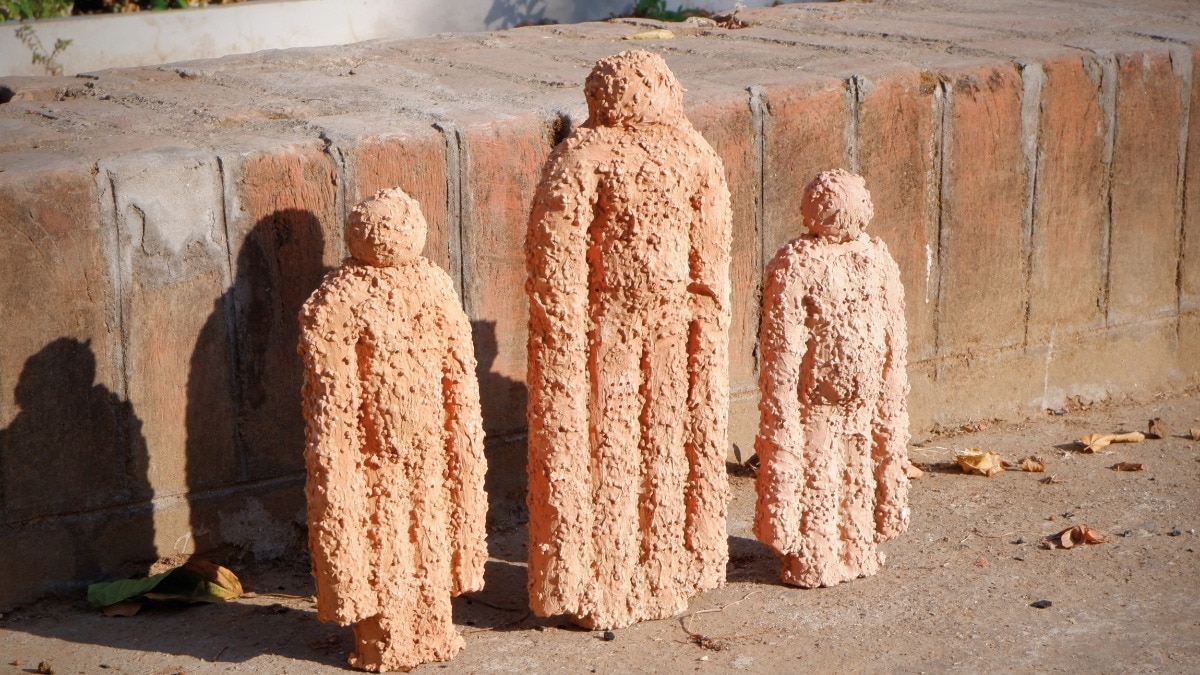
Now in its fifth edition, IAF’s Artists-in-Residence programme is a testament to the burgeoning talent of emerging artists in South Asia today. Bringing together sculptural, textile, digital, and image-based works, the programme unfolds across indoor and outdoor sites, marking the first inclusion of an international artist. Sri Lanka–born Dumiduni Illangasinghe turns to the logic and magic of mycelial networks, tracing cycles of fragility, healing, and continuity.
Apart from Illangasinghe, there are Arun B’s performative sculptures that activate the body as a site of vulnerability and power. Hyderabad-based Farhin Afza works with family archives and textile traditions, where domestic ornament gives way to submerged histories of violence, belonging, and rupture. Mumbai-based artist Shreni speculates on the city’s invisible infrastructures, constructing an audio-reactive ecosystem that imagines urban memory as organic and unstable. Together, the residency reads as a collective inquiry into coexistence— between body and space, care and conflict, nature and infrastructure.
INAUGURAL PRIZE
The fair continues to build its commitment to artistic research, craft-led inquiry, and cross-disciplinary exchange through an expanded slate of collaborations, prizes, and residency programmes this year. Among the highlights is the Swali Craft Prize, presented by Karishma Swali and the Chanakya Foundation in partnership with IAF. The inaugural edition of the prize was awarded to the fiercely creative, Natasha Preenja (aka Princess Pea) for a practice that bridges drawing, sculpture, design, craft, and participatory modes of storytelling. Working across illustration, installation, and collaborative processes, Preenja prefers intimacy, community, and narrative as tools of making. In her presentation at IAF this year we will see an exciting, large-scale installation that the artist has created in collaboration with the atelier.
AN ECOLOGICAL LENS
Sidhant Kumar is this year’s recipient of the PRAF × IAF Discover 09 Grant and will present a newly commissioned project, presented by Prameya Art Foundation. Titled Studies from a Quiet Harvest, the work draws on long-term research and data gathered from the Ranholla fields in Delhi. The project examines the precarious conditions of small-scale farming amid limited infrastructure and entrenched power structures, engaging with agrarian labour, soil toxicity, and cultivation. Moving between fieldwork and material inquiry, the project positions the agricultural landscape as both site and archive—highlighting forms of labour and knowledge that has been increasingly rendered invisible.
COLLECTIVE IMAGINATION
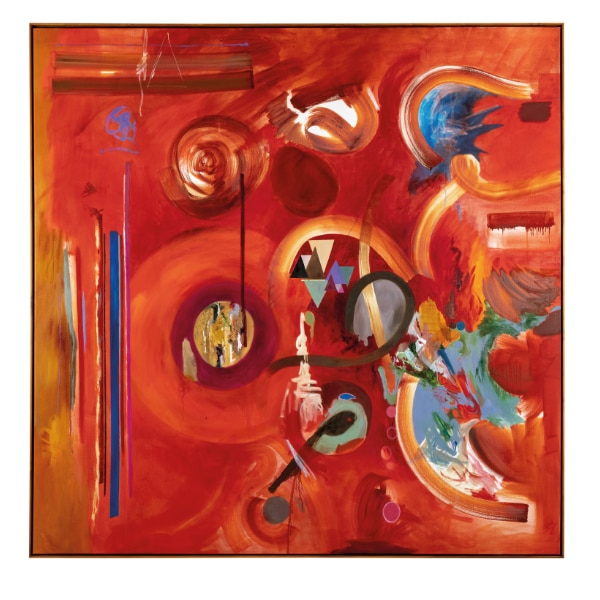
Audiences are in for a really special experience through this year’s Performance Art programme. It explores artists’ responses to their natural, social, and emotional environments through live, sonic, and movement-based practices. Curated by the indomitable Nikhil Chopra and HH Art Spaces, and supported by Soho House, the programme builds on HH’s legacy of gathering, hosting, and collaborative performance-making. HH Art Spaces presents Breakfast in a Blizzard, an open-air kitchen-island installation conceived as a gesture of care and sustenance, where invited artists “cook” an all-day breakfast through sound, movement, and improvisation. Led by Yuko Kaseki, Uriel Barthélémi, and Suman Sridhar, the programme draws on memory, mourning, and desire— transforming acts of nourishment into moments of collective imagination.
WHAT MAKES ART HAPPEN?
Supported by JSW and curated by independent researcher and curator Shaleen Wadhwana, the Talks Programme is an absolute gem! Unlike anything else in the country, this programme brings together some of the most important and definitive voices from the arts. This year’s theme convenes artists, curators, thinkers, and cultural leaders around a central question: What Makes Art Happen? Each panel approaches this inquiry through a distinct ‘challenge’—from enduring concerns of access, accountability, and social difference to urgent contemporary questions around AI and the indigenisation of cultural spaces. As the series unfolds, the conversations trace how art responds to pressure— within institutions and markets, but equally within bodies, communities, and everyday life—revealing how rising to challenge is what ultimately makes art happen.
THE FEMALE GAZE
First-time participants, Porgai Artisans Association is a women-led collective that aims to celebrate the Lambadi embroidery tradition through sculptural textiles, upcycled wall pieces, and narrative works. Rooted in Tamil Nadu’s Sittilingi Valley, the pieces they plan to bring will reflect the community’s nomadic past, ecological consciousness, and evolving identity. By integrating inherited stitch vocabularies with contemporary design approaches, their project is inspired particularly by nature and the rhythms of the artisans’ daily lives. Each work has been created on hand-spun, handwoven organic cotton grown in Sittilingi. Their participation will be part of IAF’s Platform Section, one that was created to highlight and give opportunity and focus to lesser known art forms.
IN FOCUS
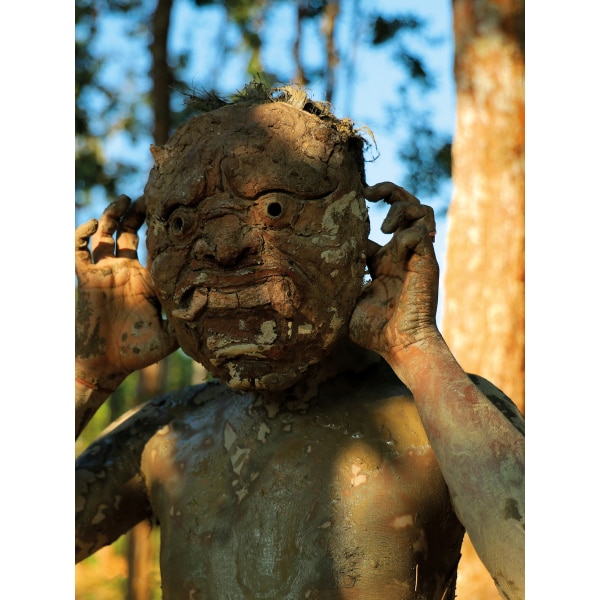
A force majeure of our times, Bharti Kher is known for transforming everyday materials and objects into extraordinary explorations of identity, mythology, gender, and the body. Particularly recognised for her use of the bindi as a recurring visual and conceptual motif across both wall-based and sculptural works, Kher’s work is part of some of the most important institutional collections in India and abroad. This year’s Focus Section booth, presented by Nature Morte, at IAF promises to be exceptional, presenting large-scale painting, alongside sculpture and smaller works by the artist.
THE DEBUT
Dhruv Agarwal will show for the first time at IAF’s Design section. His works are whimsical and buoyant, yet framed in a distinctly nuanced design language that engages the viewer in the most beguiling ways. The display will include a central chandelier inspired by his visit to the Kumbh—its sensory excess, the cadence of the aarti, and the flicker of diyas drifting across the Ganges. Alongside it, Agarwal showcases armchairs, sofas, and coffee tables drawing from the vernacular language of Channapatna toys. Rendered at a playful, theatrical scale, the pieces evoke a fairy tale logic—an Alice in Wonderland sensibility rooted in childhood wonder and everyday memories of home. Marking a first-time presentation, Maria Wettegren Gallery brings Agarwal’s work to the fair, positioning craft, ritual, and design within a shared imaginative register.
COLLABORATIVE EFFORTS
A truly unique collaboration, indicative of how IAF has chosen to evolve and expand, the fair’s dynamic Young Collectors Programme will present an exhibition in collaboration with 1:54 Contemporary African Art Fair and Strangers House Gallery. Bringing together the works of artists Mukhtar Kazi (Mumbai) and Hamedine Kane (Dakar/Brussels) to be displayed in Delhi at IAF, and the works of Akshay Rathore (Paris) that will be displayed at 1:54’s Marrakesh edition. Building on the Young Collectors Programme’s experimental ethos, this project is a trans-geographical project tracing material, memory, and movement across continents. Curated by Strangers House Gallery, the project revisits the cosmopolitan exchanges that once flowed through the Silk Route, the Indian Ocean and the Sahara—imagining a world where art, knowledge, and material memory move fluidly beyond borders.
ART AS AN ACTIVE AGENT
Returning to the fair after a few years, Berlin-based Neugerriemschneider Art Gallery will be exhibiting an unmissable work by Olafur Eliasson. Titled The collective consequences of focus on focus (2022), the work comprises over 200 glass spheres arranged into a dense, circular formation. Mounted on a steel framework, the work shifts perceptually as the viewer moves around it, producing a mesmerising play of colour and reflection. Seen head-on, the spheres appear translucent, tinged with silver; from oblique angles, they darken into deep red on one side and turn near-black as you move to the other side. Long engaged with questions of climate, ecology, and collective responsibility, Eliasson’s practice is marked by major public commissions—from The Weather Project (2003) in Tate Modern’s Turbine Hall to large-scale environmental and civic interventions—that position art as an active agent in shaping awareness of our shared planetary condition. At IAF, he continues his longstanding engagement with crystal glass as a material that sharpens awareness of colour, space, and one’s own presence within the work.
Lead image: Arun B’s performative sculptures
Inside images: The artists and Jeetin Sharma
This article first appeared in Bazaar India's January 2026 print edition.
Also read: Why everyone thinks 2026 feels like 2016 all over again
Also read: Shalini Passi on living beautifully, thinking deeply, and 'The Art of Being Fabulous'
ADVERTISEMENT
Must Read





ADVERTISEMENT