Everything we loved at Paris Fashion Week AW26 so far
2026 has been a busy year for fashion, yet several of its biggest shows are yet to come.

Fashion month has already taken us from the polished runways of New York to London’s experimental edge and Milan’s high-gloss glamour. But Paris, as always, holds the final and most anticipated chapter. With a packed nine-day schedule (nearly double the length of its counterparts), the city’s Autumn/Winter 2026 edition promises a blockbuster finale. The week is set to deliver several headline moments–from Jonathan Anderson continuing to shape Dior to Pieter Mulier’s much-anticipated final show at Alaia. Heavyweights like Loewe, Givenchy, Balenciaga, and Celine also return to the Paris runway, while Louis Vuitton and Miu Miu close the week with what are sure to be blockbuster finales. It’s a calendar brimming with anticipation. Because when it comes to fashion, the biggest stories still unfold in Paris.
Below are some of our favourite moments from Paris Fashion Week AW26.
Christian Dior
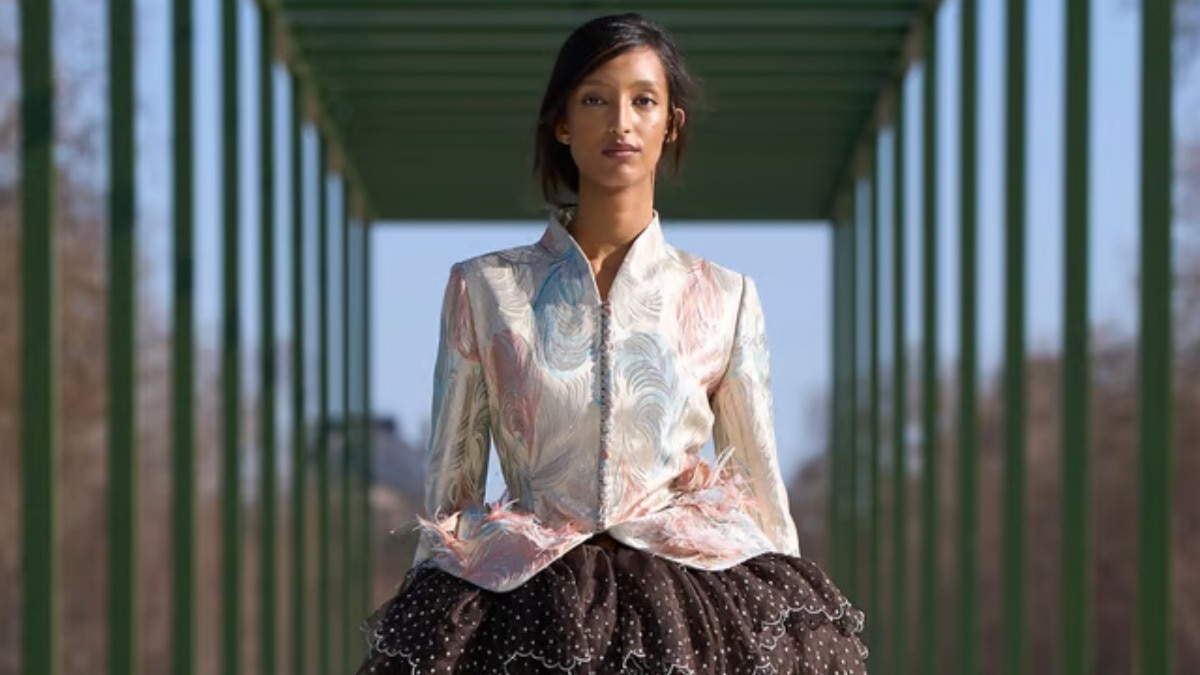
Jonathan Anderson continued his reinvention of Dior with a sun-drenched show staged in the Tuileries Garden, where a glass runway encircled the park’s historic basin dotted with water lilies. The setting nodded to the garden’s royal past under Louis XIV, the Sun King–a fitting backdrop for Anderson’s growing fascination with 18th-century dressing.
His Dior woman this season moved between aristocratic codes and everyday ease. Deconstructed frock coats, peplum jackets, and bustle skirts appeared in candied almond hues, Chantilly lace, and metallic jacquards, while softer silhouettes–lampshade skirts in shearling, sculptural knits, and airy pleated cage dresses–added a sense of lightness. Anderson also introduced more approachable pieces into the mix: hammered silk track pants trimmed with bridal buttons, ribbon-embroidered jeans, and robe coats worn as dresses. The effect felt both historical and pragmatic, as if Dior’s grand couture language had been gently loosened for daylight. With each outing, Anderson’s Dior is becoming clearer: romantic, experimental, and deliberately unfinished. J’adore!
Saint Laurent
Anthony Vaccarello returned to one of Saint Laurent’s most enduring symbols this season: 'Le Smoking'. Sixty years after Yves Saint Laurent first scandalised Paris with the women’s tuxedo, Vaccarello proved the silhouette still carries its electric charge. His Fall/Winter 2026 collection leaned into razor-sharp tailoring, with elongated jackets, plunging necklines, and fluid pinstripe suits that brought the tuxedo out of evening and into daylight.
Elsewhere, sensuality took unexpected forms. Lace was hardened with latex and cut into sleek jackets and pencil skirts, while whisper-thin slip dresses appeared in offbeat colour combinations that felt unmistakably Saint Laurent. Between the tailoring, Vaccarello slipped in moments of drama–enveloping shearling coats, batwing bombers, and medieval-tinged tunics belted low on the hips. The message was clear: the tuxedo remains the house’s most powerful weapon. Under Vaccarello’s precise eye, it feels less like nostalgia and more like a living code–sharp, seductive, and still unmistakably Saint Laurent.
Courreges
For his fifth anniversary at Courreges, Nicolas Di Felice imagined a wardrobe built for motion. Titled '24 Hours in the Life of a Courreges Woman', the Fall/Winter 2026 show unfolded on a runway designed like a Parisian street–complete with manholes and road markings–placing the audience almost within arm’s reach of the clothes. The concept was cinematic: a day-to-night narrative inspired by the films of Belgian director Chantal Akerman, following a woman moving through the city with quiet confidence.
Di Felice sharpened the house’s 'Space Age' codes with his now-signature sensuality. Funnel-collar coats, glossy vinyl separates, and razor-cut dresses with graphic side cutouts balanced precision with attitude. Texture played a starring role, from asphalt-like flecked denim to pleated vinyl dresses that showcased the label’s technical prowess. There were flashes of whimsy, too–pieced together from organza metro tickets and cloakroom stubs. The finale returned every look in pure white, like a blank canvas for the next day to begin.
Balmain
Antonin Tron made a measured yet confident debut at Balmain, presenting a collection steeped in cinematic tension. Titled 'Film Noir Version 2.0', the collection drew on the shadowy glamour of 1940s Hollywood, building on the allure of the femme fatale. The result was a darker, more restrained take on Balmain’s signature opulence–one that leaned into wearability without losing its bite.
Tron revisited Pierre Balmain’s earliest collections, particularly the post-war austerity of 1946, translating it into sleek silhouettes and minimal embellishments. Gold accents, military details, and dense embroidery made cameos in measured doses, while sensual draping softened the sharper edges. Glossy leather pilot jackets with Joan Crawford shoulders, cinched bomber silhouettes, and leather trousers with padded knees injected movement and attitude. The overall mood felt polished and purposeful–a quieter, more deliberate vision of Balmain glamour for a new era.
Dries Van Noten
Julian Klausner continues to shape his vision at Dries Van Noten, and his latest outing in Paris proved a confident step forward. Staged with understated simplicity at Lycee Carnot, the show allowed the clothes (rich, layered, and unmistakably Dries) to take centre stage. Klausner leaned into the house’s enduring codes: eclectic textiles, Indian-inspired embellishment, and that signature tension between streetwear ease and ornate craft.
At the same time, he injected a dose of playful experimentation. Technical twists appeared throughout the collection like elasticated bomber-style necklines placed on classic topcoats, brocades reworked into utilitarian worker jackets, and vivid prints that hinted at pixelated, almost Minecraft-like patterns. The mix felt both irreverent and thoughtful, pushing the brand’s language forward while honouring its heritage.
Acne Studios
The Swedish house marked its 30th anniversary with a Fall/Winter 2026 collection that looked both backwards and forward. Under the creative direction of Jonny Johansson, the show was a reflection on the brand’s evolving identity–revisiting familiar codes while subtly reshaping them for the future. Johansson leaned into Acne’s signature mix of intellectual minimalism and youthful rebellion. Cropped aviator and biker jackets appeared alongside slouched tailoring and preppy knit sets, while the brand’s iconic 1996 denim cut made a notable return in slim, tapered silhouettes.
Traditional patterns were destabilised across the collection: Prince of Wales checks shifted in scale, animal prints became abstract, and technical satins carried tapestry-like floral motifs. Staged in a series of salon-style rooms and set to a moody Portishead soundtrack, the presentation carried a sense of quiet introspection. The result felt distinctly Acne–where aristocratic restraint meets countercultural cool, and heritage becomes the starting point for something new.
Tom Ford
Haider Ackermann’s Tom Ford leaned into dark seduction this season. The Fall/Winter 2026 collection felt lifted from the glossy, unsettling world of American Psycho (yes, the Christian Bale slasher drama). The mood was razor-sharp and cinematic, built around the tension between immaculate tailoring and the suggestion of something far more dangerous lurking beneath the surface.
At the heart of the collection was the house’s defining symbol: the perfect suit. Here, it appeared slightly twisted: precise tuxedos, rigid jackets, and sharply cut tailoring that hinted at control, while subtle details suggested the aftermath of a decadent night out. Soft cashmere contrasted with hard leather, creating a contrast that felt both luxurious and subversive. The effect was provocative, true to Tom Ford’s signature. These were clothes designed to look pristine from a distance, but closer inspection revealed a more hedonistic story: tuxedos slightly rumpled, silhouettes sharpened to almost intimidating precision. In true Tom Ford fashion, the collection proved that the most powerful kind of glamour is the one that carries a hint of danger.
ALAÏA
Pieter Mulier took a final bow at Alaïa this season, presenting his last collection for the house before departing for Versace. Staged inside the former Fondation Cartier building, the Fall/Winter 2026 show unfolded with deliberate restraint–fitting for a designer who has spent the past five years refining Alaïa's language of sculptural elegance. The collection opened with pared-back silhouettes: barely-there slip dresses, sleek sheath gowns, and pure, slimline coats rendered in monochrome. Mulier’s signature precision appeared through inverted triangle shapes that played with volume and proportion. The mood remained understated throughout, favouring quiet control over spectacle. It was a fitting farewell.
Since joining the house in 2021, Mulier has helped transform Alaïa into one of the most commercially and critically respected labels within the Richemont portfolio. This final collection felt less like a grand finale and more like a graceful pause–an elegant closing chapter before the next begins.
Chloe
Chemena Kamali continued to expand her romantic vision for Chloe with a fall collection steeped in folkloric references and bohemian ease. Titled 'Devotion', the show unfolded as a celebration of craft and community, drawing inspiration from sources as varied as 19th-century Dutch costume, Lithuanian folk traditions, and the free-spirited codes of Chloe’s Karl Lagerfeld era. Kamali riffed on familiar house archetypes–capes, ponchos, bib-front dresses, and soft peach-toned blouses–while layering them with homespun textures and intricate detail.
Hand-knitted cardigans dotted with flowers and pompoms, patchwork jackets, and quilted skirts brought a sense of warmth and artisanal richness to the runway. Wool blazers with structured shoulder yokes nodded subtly to historical dress, while prairie-style skirts and crimped hair added to the collection’s carefree, slightly nostalgic mood. There’s just something amazing about seeing how a woman designs for women.
Schiaparelli
Surrealist exploration reigned at Schiaparelli with a collection titled 'The Sphynx'. Arriving just weeks before the V&A’s major retrospective on Elsa Schiaparelli, the show felt like both a tribute and a reimagining of the house’s radical legacy–one built on mystery, contradiction, and visual illusion.
Roseberry leaned into Schiaparelli’s love of trompe l’oeil and surrealist hardware, presenting garments that blurred the line between appearance and reality. “Impossible knitwear” paired heavy Aran cables with sheer illusion panels, while liquid plisse gowns were laminated to hold sculptural shapes without traditional structure. Silk wool mimicked the look of fitted leather sheaths, creating pieces that felt both technical and playful. Accessories carried the house’s whimsical spirit forward: resin dog-and-cat shoes, bronze egret feet on bags, and reimagined keyhole motifs that hinted at hidden meaning. The result was pure Schiaparelli–intellectual, eccentric, and endlessly imaginative.
Isabel Marant
Isabel Marant closed out the third day of Paris Fashion Week with a collection that distilled her signature blend of effortless cool and understated sensuality. Presented at the Palais de Tokyo, the show unfolded across 65 looks built around Marant’s enduring muse: the confident woman who makes dressing look instinctive.
Sheer tanks paired with distressed skinny jeans (the horror) opened the show, setting a relaxed yet seductive tone. But glossy patent leather coats, micro denim shorts, and cropped boxy jackets were redeeming–sharpening the silhouettes. Blue leather dresses, striped knits, and quilted bombers added a “je nais se quoi” to it all, and long-haired fur coats swept across the runway, injecting a dose of tactile drama. Elsewhere, red motorcycle sets, lace-up hoodies, and broad-shouldered coats balanced toughness with ease, while delicate lace evening pieces softened the mood. True to Marant’s DNA, the collection felt both carefree and polished; a wardrobe designed for women who move through the night with effortless confidence.
Mugler
Miguel Castro Freitas continued to carve out his vision for Mugler with ‘The Commander’, a collection rooted in the house’s long-standing fascination with power dressing. Drawing inspiration from a striking cast of muses (from Joan of Arc to Joan Crawford), the designer explored how symbols of authority, glamour, and strength intersect on the modern runway. Freitas blended cinematic references with Mugler’s sharp architectural language. Leather jackets with diagonal zips, pinstriped coats cut like historic court garments, and glossy military skirt suits echoed the dystopian commanding silhouettes that defined the house in the 80s. Sci-fi undertones also ran through the collection, with pleated dresses and structured uniforms nodding subtly to futuristic classics like The Matrix and Blade Runner. The result was a wardrobe charged with attitude. Unsurprisingly, power shoulders, sleek tailoring, and polished leather carried the collection forward, reaffirming Mugler’s core message: clothing as a tool of transformation, confidence, and unapologetic self-expression.
Loewe
Jack McCollough and Lazaro Hernandez continued to inject Loewe with a new sense of playful irreverence, with a collection that explored luxury through a lighter, more mischievous lens. Their sophomore outing for the Spanish house leaned heavily into craft– long a cornerstone of Loewe’s identity– but approached it with a spirit that felt joyful, experimental, and occasionally a little weird. Outerwear became a playground for technical innovation: coats with inflatable channels, feather-light leather jackets sculpted to near-industrial smoothness, and shaggy shearling pieces shaped with almost surreal precision. Prints and textures added more character, from gingham layers and hand-painted florals to animal-like silhouettes that bordered on the fantasy. The collection pulsed with colour and energy, reinforcing the duo’s vision of Loewe as a place where craft meets curiosity. Luxury here wasn’t precious or overly serious– it was vibrant, inventive, and unapologetically fun.
Givenchy
Sarah Burton delivered one of the season’s most expansive collections at Givenchy, presenting an A/W26 lineup that explored the many facets of what it means to be a woman. Titled “I’m Every Woman”, the show unfolded like cinema, with a winding runway revealing each look as a distinct character. Burton embraced contrast– blending masculine tailoring with lush textures and ornate embellishment. Velvet, animal prints, kimono silks, lace, and silver bullion embroidery collided in looks that felt both opulent and deeply personal. Strong outerwear– like sharply cut tuxedos and Spencer jackets with cinched waists– balanced more fluid pieces, from velvet slip dresses to sweeping satin capes and tactile shearling coats. Art-historical references also appeared throughout the collection, with models styled as figures from Old Master paintings. Yet despite the grandeur, Burton’s focus remained intimate. Her Givenchy continues to centre women’s complexity– offering a wardrobe that moves effortlessly between strength, sensuality, and emotion.
Celine
Michael Rider is beginning to define his rhythm at Celine–and this season it came with what he calls a little “bite.” For Fall 2026, the designer revisited the house’s sober classics and sharpened them just enough to feel new. Think familiar tailoring, but slightly skewed: jackets that flare a touch awkwardly, slim trousers that kick out at the hem, and coats punctuated with unexpectedly tiny gold buttons. The effect was subtle but deliberate–classic Celine, with an edge. Silhouettes leaned noticeably slimmer this season, with Rider advocating for sleeker proportions across the lineup. Flared flood pants in plush wools and jewel tones added a playful energy, while satin tunics and draped scarves hinted at a more polished evening wardrobe. Staged inside a wooden box-like venue with a groovy, music-studio atmosphere, the show reflected Rider’s collaborative design process–something he likened to a jam session. The result was a wardrobe that felt composed yet spontaneous: refined Parisian dressing, but with just enough attitude to keep things interesting.
Hermes
Nadège Vanhée-Cybulski explored the fleeting magic between day and night for Hermes’ latest Autumn/Winter collection, staging a moody runway inside the Garde Republicaine that wound through mossy undergrowth beneath a deep twilight sky. The setting set the tone for a wardrobe designed for nocturnal exploration–practical, protective, and quietly poetic. Outerwear carried the collection. Soft leather field jackets, four-pocket coats, and quilted layers came built for movement, with fur-trimmed collars, zip-up hoods, and subtle motorcycle padding adding both function and edge. Hermès signatures like jodhpurs appeared alongside salopettes and riding boots, grounding the collection in the house’s equestrian heritage. Elsewhere, Vanhée played with a subtle ’60s spirit: A-line leather minis, zip-front dresses, and collegiate shirts paired with coloured tights in deep green, mustard, and burgundy. The result felt adventurous yet polished–an Hermes woman stepping confidently into the twilight, dressed for both the journey and the mystery ahead.
Balenciaga
Balenciaga’s FW26 show was staged in a darkened space on the Champs-Élysées and developed in collaboration with Euphoria creator Sam Levinson. The show tapped into a mood of introspection, framing fashion as a portrait of a generation navigating uncertainty. Pierpaolo Piccioli continued shaping his narrative with a collection built around one striking idea: the collar. Outerwear carried the weight of the collection. Voluminous leather bombers, sculptural pea coats, and imposing officer jackets nodded to Cristobal Balenciaga’s signature cocoon silhouettes. At the same time, dramatic portrait collars and towering funnel necks framed the face like living sculptures. The effect was both protective and expressive–clothes designed to shield, but also to command attention. Piccioli softened the intensity with fluid draped jersey dresses and high-waisted denim, while accessories (like rumpled Hourglass bags and off-kilter brogues) added a subtle edge. The result felt deliberate and controlled: a Balenciaga wardrobe defined by structure, silhouette, and a quiet sense of drama.
Chanel
If there’s one show everyone was watching this Paris Fashion Week, it was Chanel. For Fall 2026, creative director Matthieu Blazy built the entire collection around a quote from Coco Chanel herself: “Fashion should be both caterpillar and butterfly”. In other words, clothes that work for the day, and clothes that transform for the night. The show opened with classic Chanel codes: black knit jackets, tweed blousons, and workwear-inspired overshirts paired with knee-length skirts. At first, it felt understated, almost minimal, but that was intentional–Blazy was essentially building the foundation of the collection using the Chanel suit as his starting point. Then the metamorphosis began. There were drop-waisted 1920s-inspired dresses, patchwork flapper silhouettes, and coats covered in caviar beading with constellation-like embroidery that shimmered as the models moved. And by the finale, the butterfly fully emerged–iridescent metal mesh suits, rainbow metallic textures, and dramatic surfaces that looked almost luminous under the runway lights. It was Chanel balancing heritage with transformation, and proving that even a century-old fashion house can still evolve in exciting ways.
P.S. Of course, newly minted House Ambassador Bhavitha Mandava was there!
Louis Vuitton
Nicolas Ghesquiere looked beyond the city and turned his focus to something bigger for AW26: the landscape. The show took place inside the Cour Carrée of the Louvre, which had been transformed into a surreal moss-covered terrain with artificial hills rising around the audience. It felt less like a traditional runway and more like stepping into a futuristic natural world. That idea shaped the clothes, too. The show opened with monumental cloaks that echoed traditional shepherd garments–oversized, protective silhouettes designed to withstand harsh climates. There were leather-trimmed wool coats, brushed animal-hair textures, and sculptural outerwear that felt both functional and dramatic. Throughout the collection, nature appeared everywhere. Tweed jackets were woven with woodland animal motifs, leather flowers bloomed across garments, and collars were trimmed with what looked like vegetal fur. Even the details carried the theme. Resin buttons resembled pieces of stone, heels curved like antlers, and leather was embossed to mimic the grain of wood. Rather than designing for everyday city life, Ghesquiere imagined fashion shaped by geography and environment– almost like clothing that had evolved directly from the landscape itself. The result was a collection that felt expansive and cinematic, proposing what he described as a kind of new folklore.
Lead image: Dior
Also read: 'Emily in Paris' costume designer Marylin Fitoussi on dressing without fear
Also read: The soul of cashmere: Inside Janavi India’s devotion to detail