




ADVERTISEMENT
What's an anti-ageing smile?
How dental care has emerged as a key component of anti-ageing wellness


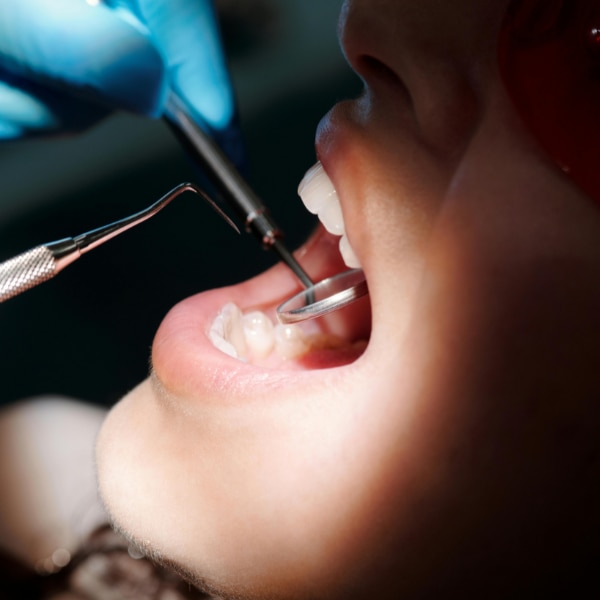
When you think of ‘youthful beauty’, anti-ageing creams, serums, and other such potions often spring to mind. But a quieter shift is happening in the dentist’s chair. Increasingly, oral health is being recast not as a routine maintenance, but as a subtle framework of beauty and youth. Going beyond brushing and flossing, dental care has become an integral part of the anti-ageing narrative — and just like skincare, it isn’t just a habit, it’s an intention.
“Teeth and gums quietly shape the face far more than most people realise,” says Dr Reshma Shah, preventive and pediatric dentist and founder of 32 Reasons Multispeciality Dental Centre. Factors like enamel erosion and gum recession can quietly change the way a face looks over time, resulting in a more aged appearance.
Enamel erosion & gum recession
“Enamel erosion makes teeth look thinner, duller, and more yellow as the inner dentin starts showing. The edges may appear transparent or uneven, which reduces the natural shine of the smile,” Dr Shah explains. How does it matter? Aesthetically, this makes a difference as teeth play a big role in facial brightness and overall glow. Secondly, darker or eroded teeth can make the face appear tired or aged. “Simply put, brighter teeth enhance facial light, while darker teeth can reduce glow and freshness.”
Secondly, enamel wear entails loss of height, not just shine. This results in shorter teeth and a collapsed bite appearance. According to the expert, when this happens, the jaws sit together, which can make the face look more compressed and slightly sunken, resulting in deeper smile lines and thinner-looking lips — even when skin and bone structure are excellent.
“Often overlooked, gum recession subtly alters facial balance and smile harmony,” she adds. “As gums recede, teeth appear longer and harsher, disrupting soft facial proportions.” This often changes the optical features of a smile, making it look sharper rather than gentle. “Additionally, the loss of pink gum support reduces fullness around the mouth, impacting perceived youth.”
As these changes progress, facial proportions begin to appear more rigid and aged. The resulting visual harshness diminishes the natural softness, causing the face to appear older than its chronological age.
While treatments like whitening can make the smile look younger, the doctor warns that too much of it can backfire. Over-whitening can make teeth look fake, flat, or chalky instead of naturally bright and can also weaken the enamel, cause sensitivity, and make small cracks or rough areas more visible, adding to an aged smile, and therefore should be done only once a year and always with a dental professional and not over-the-counter products.
Collagen boost
Collagen in aesthetics is often associated with skincare; however, oral health plays a significant role in preserving it, too. The jawbone and healthy gums help maintain collagen in the tissues that support the lips, cheeks, and lower face. “When teeth are strong and well-aligned, they act like pillars that hold the facial structure in place. If teeth are lost, worn down, or affected by gum disease, the jawbone starts shrinking, which leads to collagen breakdown.”
Therefore, healthy teeth and gums preserve bone and collagen-rich support tissues, maintaining jaw volume and facial contours, whereas oral disease accelerates bone loss and facial collapse, signalling ageing.
Preventative care
Just like skincare, oral care also comes with a plethora of measures to prevent issues in the future. “Dentistry is shifting toward early protection where one can control enamel wear, gum health, and bite forces, before visible damage occurs.”Where dentistry once favoured aggressive reshaping and heavy restorations, the expert believes that today’s approach has shifted to preserving natural enamel, tooth structure, and gum health. Innovations such as thineers, ultra-thin veneers, minimally invasive bonding, and digital smile planning now allow for refinement without excessive cutting.
Dr Shah notes that digital tools such as Digital Smile Design (DSD/DTS) allow patients to see pre- and post-outcomes, and understand how teeth may degrade over time. “This visual planning helps people act before damage becomes irreversible. Preventive aesthetics now means protecting teeth early with fluoride therapies, guided wear correction, and regular digital monitoring.”Additionally, preventive measures like fluoride applications, sealants, and regular monthly or periodic checkups and cleanups, along with gentle brushing, daily flossing, and using night guards for grinding, strengthen teeth, slow enamel wear and gum recession, and restore aesthetics early.
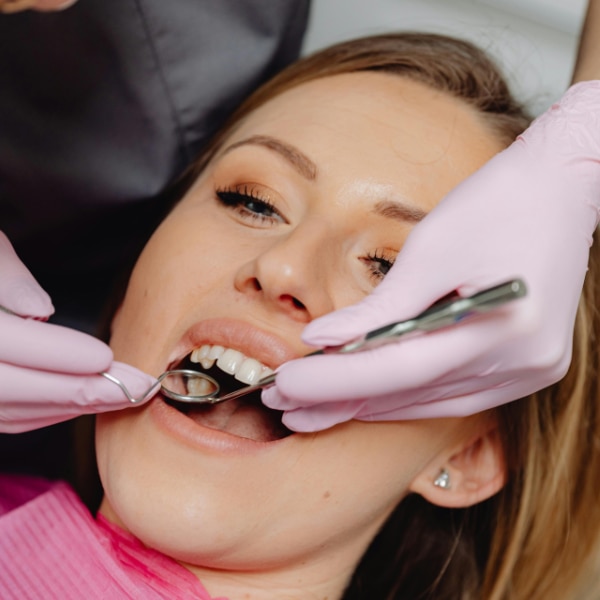
“Choose long-term habits over later fixes,” advises Dr Shah. “Early orthodontic balance, bite correction, minimally invasive bonding, and avoiding sugary acids and smoking help maintain natural tooth length, spacing, and gum harmony over decades.”The expert states that prevention should ideally begin from birth, as part of ageing well. Natal teeth can affect feeding and early development, while preventive measures in childhood guide jaw growth, alignment, and enamel strength. In adulthood, regular monitoring helps prevent wear, recession, and aesthetic ageing. By midlife, the focus shifts to preservation of tooth structure, balance, and the smile itself. Early care, quite simply, supports healthier ageing over time.
“The future of preventive cosmetic dentistry lies in early prediction, personalisation, and preservation — using AI-driven scans, digital smile simulations, bio-mimetic materials, and reversible treatments. The goal is not to change smiles drastically, but to help them age beautifully, naturally, and sustainably over time.”
Image credits: Pexels
Lead Image: Getty Images
Also read: Skincare turns its focus on sea moss
Also read: Six ways you can actually prevent gray hair, according to experts
ADVERTISEMENT
Must Read








ADVERTISEMENT