




ADVERTISEMENT
'Emily in Paris' costume designer Marylin Fitoussi on dressing without fear
A conversation with Marylin Fitoussi, the costume designer for Emily in Paris, on instinct, individuality, and excess as expression.

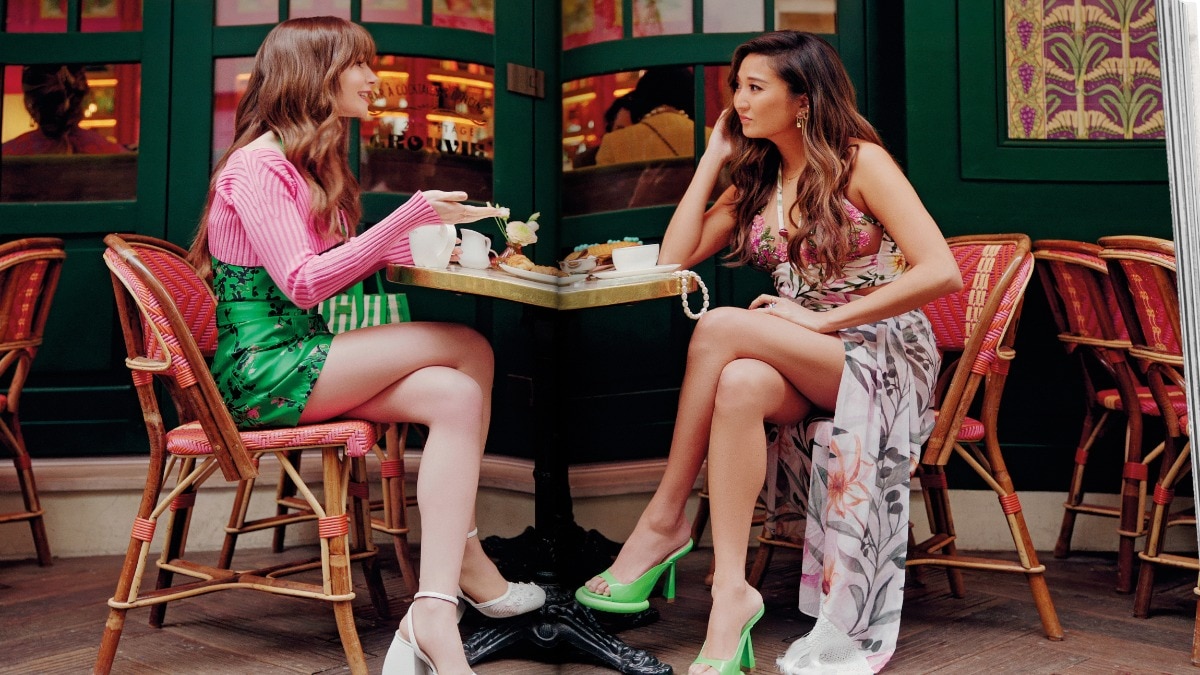
The year is 2020, and like most people I give in to the temptation. I binge watch Emily in Paris season one. Back then, did I manifest a flight to Paris, without a return ticket? Absolutely. Do I still wish for the same, five seasons later? Without question. And I blame it on the resonance with Emily Cooper—the promise of romance, arguably handsome faces, the urge to rebuild yourself, glimpses of the gleaming Eiffel Tower, and most of all the reminder of the excess and the audacity that fashion meets you at. Today, five seasons later, I find myself preparing for a conversation with Marylin Fitoussi—the French costume designer overseeing this riot of colours and play since Day One.
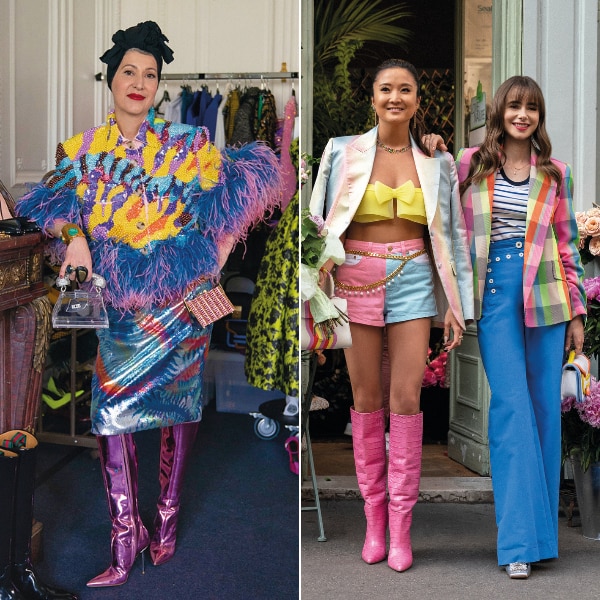
I meet Fitoussi on Zoom—bright and beaming with red lipstick, a statement headscarf, and a yellow check blazer, to which I instantly blurt out how underdressed I feel. But I lose my inhibitions a minute after, as she interrupts smiling, “one is never underdressed”. That right there gave me a glimpse of how fashion has never been about restraint for Fitoussi, it’s about building our own, and Emily Cooper was the subject of the authority. “Particularly with Emily in Paris, I needed to give this girl from Chicago the feeling that she’s a fish out of water,” she tells me. “When I started to design Emily in Paris, I was living in Mexico, so for me, I was a little bit of Emily, in Paris too, but in Mexico too. The way I was dressing, it was exciting on one side and normal on the other side. So that’s how we started to build the character without paying attention to trends, and without the fear of what people will think about it,” she adds.
More than characters, the costumes are the protagonists of the show. Tell me you’re in Paris without telling me you’re in Paris—the wardrobe communicated emot ion, ambition, or power long before a dialogue. “It’s true that costumes and clothes tell everything about you without any words. So I needed to take care of the audience, so that the girl in Chicago, you in New Delhi, or someone in Mexico, can have the chance that I had—to show the [viewers] the beauty that many people, many brands are able to create and to share that with the world,” admits Fitoussi.
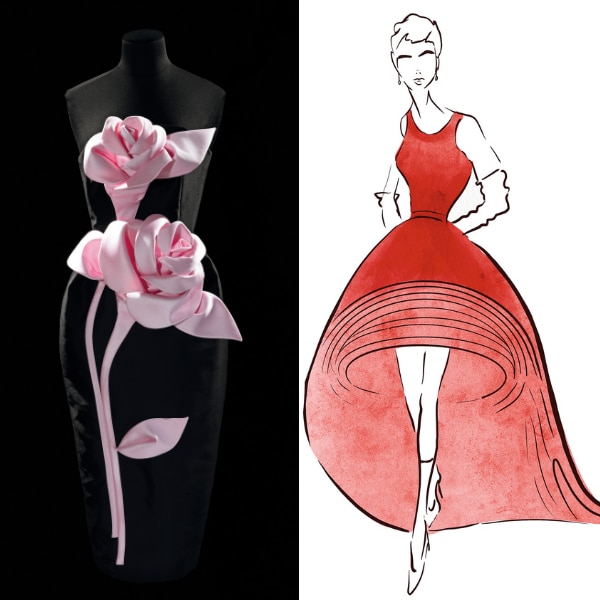
But again, for Fitoussi, clothing doesn’t stop at expression. It allows you to become who you need to be. “We have this expression that ‘the clothes don’t make the monk’—it’s not true at all,” she says. “Clothes allow you to go inside the monastery. Because clothes can help you be anybody you want. Clothes give me courage. It’s like an armour,” she states. And being a true fashion aficionado, it was only natural for her to anchor her belief with the greatest learnings of all times—“Coco Chanel once said that ‘a dress can make you conquer the world’—if you have the perfect dress and if you are dressed correctly, you can own the world, and I truly believe that.”
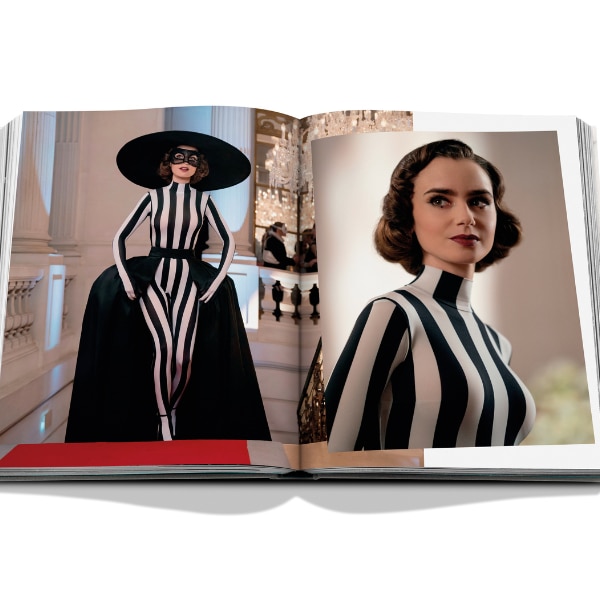
Listening to her gleefully blurting out facts, I’m reminded of the quiet irony at the heart of fashion. The longer I’ve worked in fashion, the more I learned how for an industry that celebrates excess, fashion is surprisingly good at teaching restraint. Despite playing dress up in your head a hundred times, the fleeting hesitation of whether ‘Is this too much? Is the colour too loud? The print too playful?’ still lingers and ignites the urge to tone things down. Likewise, Fitoussi, too, despite the conviction, has lived on the receiving end of that restraint. Only, she never allowed it to shape her. If anything, it sharpened her resolve to dress to express rather to impress, a spirit she’s glad to see being embraced by the younger generation. Growing up in Paris, her refusal to dilute herself was often misunderstood. “They always called me the parrot or the clown because of my use of colour, print, etc,” shares the costume designer. But after she moved to Mexico, that same exuberance felt entirely at home. “It was very normal to be dressed in a colourful way. It’s not provocative—I’m just like that, and I’m living my life.”
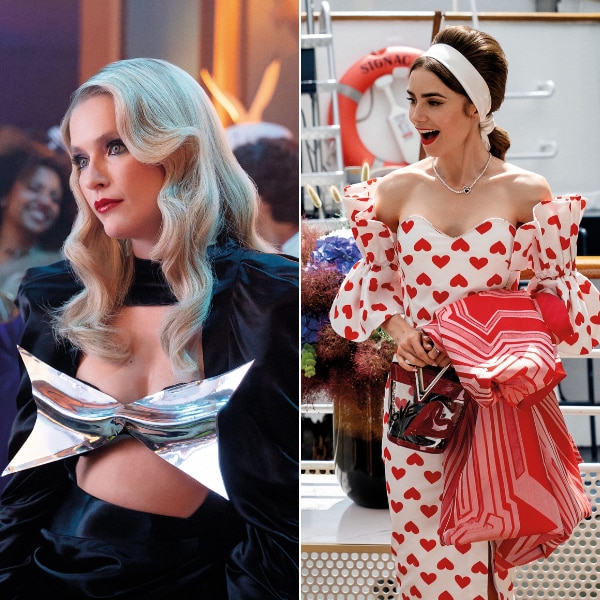
Trends, she tells me, were never the point. “I was never into trends; I didn’t care,” she confesses. “Because I believe style begins when fears end, when you are not preoccupied by what other people will think about you,” much like Mindy Chen and Sylvie Grateau’s character codes in the show. This sense of freedom, she admits, is something she’s carried with her since she was 12. And perhaps why, today, she sees a familiar courage emerging amongst Gen Z. “I’m happy Gen Z broke the rules. Express yourself with clothes. Fashion is there to be enjoyed, it shouldn’t be so serious. We are not saving lives, it’s to be surrounded by beauty,” she proudly admits.
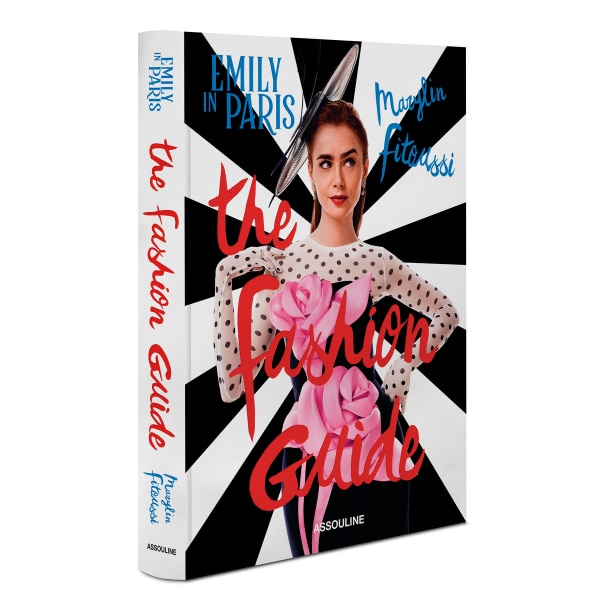
Let’s say if I earned a dime for every time I dreamed about Emily In Paris’ green room, I’d be a millionaire by now. With her book, Emily in Paris: A Fashion Guide (2025), Fitoussi finally lets us in. It’s her way of giving us backstage access. “We have 2,000 pairs of shoes, the most beautiful bags, jewellery, dresses, etc. Sometimes we do stories, but a story doesn’t stay that long, and I just wanted to have a trace of the beautiful journey in season one to now. We started with nothing in a small room, and we expanded because the show expanded, because people liked it, and India was the first country who understood what it was about. So, the book is for showing the behind the scenes and that sometimes there is no concept. It’s just a feeling,” she shares.
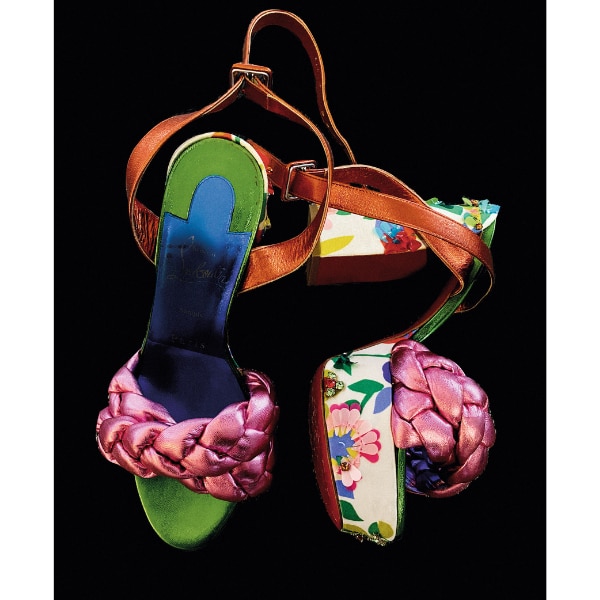
That said, by now I knew the only rule she followed by heart is that there are no rules. “I just know that I’m born this way” she asserts, borrowing from Lady Gaga. “For once, this show allows people to say, ‘okay, let’s try!’ So that was the only thing, wear whatever makes you feel beautiful, confident, even if everybody makes fun of you, but if you are happy with that, wear it—Life is too short to wear boring clothes,” she departs with a lesson that brings me back to my own wardrobe—ready to reach for the colours I hesitated over and the silhouettes I saved for ‘someday’.
All images: Emily In Paris, Netflix, Assouline, Marylin Fitoussi, Harald Gottschalk, and Valeria Ramirez Reyes
This article first appeared in Bazaar India's February 2026 print edition.
Also read: Decoding Dior, recoding himself: Jonathan Anderson’s most ambitious chapter yet
Also read: Why shades are fashion’s most elegant form of emotional protection
ADVERTISEMENT
Must Read

ADVERTISEMENT