




ADVERTISEMENT
What is colour melting, the hair colour trend Gigi Hadid, Hailey Bieber, and Zendaya are obsessed with?
The seamless, low-maintenance colour technique quietly taking over salons and mood boards.

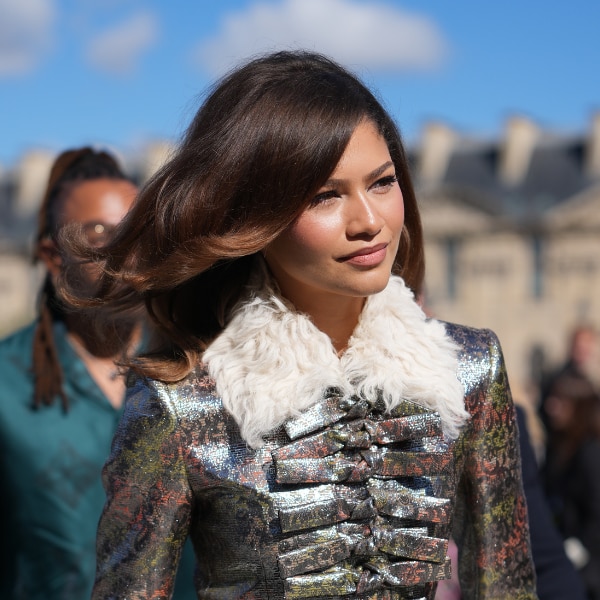
Colour melting is one of those hair trends that does not announce itself loudly. Yet once you notice it, you start seeing it everywhere. It isn’t streaky or high-contrast, and it definitely isn’t about obvious sections or sharp fades. Instead, it is soft and fluid, like your hair colour has naturally evolved over time rather than being freshly done at a salon.
In a beauty moment that favours ease and longevity over extremes, colour melting feels perfectly aligned. It delivers glamour and polish without the pressure of constant touch-ups. The result is hair that looks richer, shinier, and quietly expensive, which is exactly why it has become a modern trend.
What exactly is colour melting?
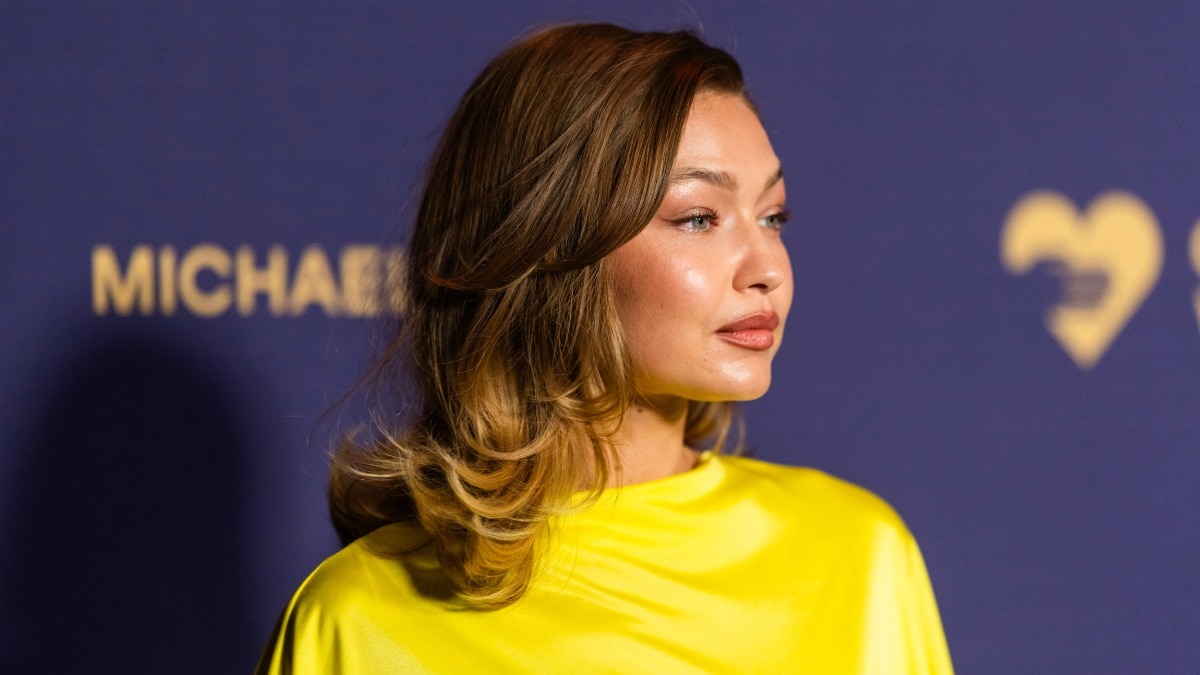
At its core, colour melting is a colouring technique where multiple shades are blended together so seamlessly that it’s difficult to tell where one colour ends and another begins. Unlike traditional highlights or ombré, which often rely on visible contrast, colour melting focuses on harmony. Shades are layered and diffused into each other, creating gradual transitions from root to mid-lengths to ends. The final effect is multidimensional but soft, with no harsh lines or obvious placement.
This technique works with a spectrum of tones, from subtle variations of brunette and caramel to richer coppers, warm blondes and even muted reds. The key is that the colours melt into each other rather than sit side by side, giving hair a naturally lived-in feel.
Why everyone suddenly wants it
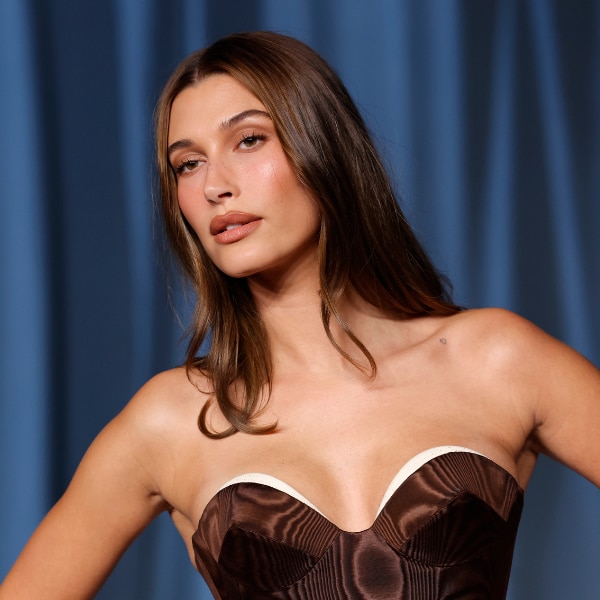
Part of colour melting’s appeal lies in how wearable it is. It flatters almost every hair texture and length, and because there are no sharp lines, it grows out beautifully. That makes it ideal for anyone who wants colour without committing to frequent salon visits. In an era where low-maintenance beauty is no longer seen as lazy but smart, this technique checks all the right boxes.
It also taps into the current shift towards softer glamour. Loud, highly defined hair trends are giving way to looks that feel more personal and less performative. Colour melting enhances what’s already there, adding depth and movement without overpowering your natural base.
How it differs from balayage and ombré
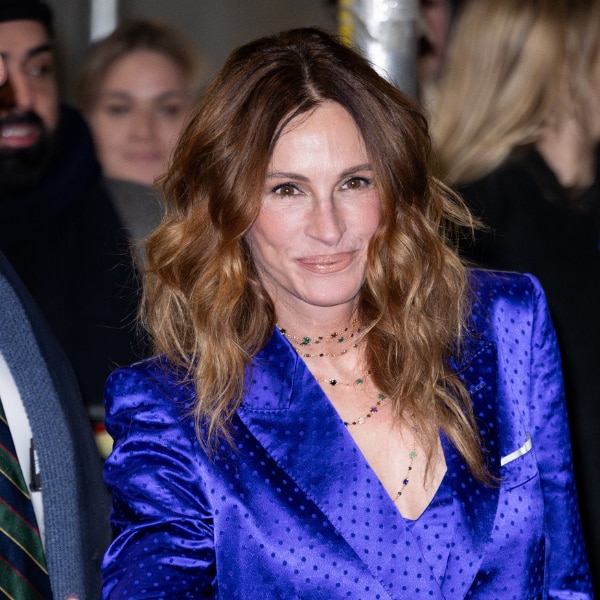
While balayage and ombré paved the way for natural-looking colour, colour melting takes things a step further. Balayage still shows placement, and ombré typically moves from dark to light in a clear gradient. Colour melting, on the other hand, is about blurring those boundaries entirely. Multiple tones are worked through the hair in a way that feels fluid and put together.
The result is softer than balayage and more nuanced than ombré, making it ideal for those who want dimension without definition.
Is colour melting for you in 2026?
If you love hair that looks polished but not overly styled, colour melting is worth considering. It is especially flattering for anyone looking to add depth or transition between colours gracefully. More than a trend, it’s a technique that prioritises longevity, making it one of the most elegant hair moves you can make right now.
All images: Getty Images
Also read: Skincare turns its focus on sea moss
Also read: Is collagen banking truly capable of delivering what it claims?
ADVERTISEMENT
Must Read

ADVERTISEMENT