What is 'hushpitality' and why it’s the most expensive luxury trend for 2026
When silence becomes the ultimate travel indulgence.

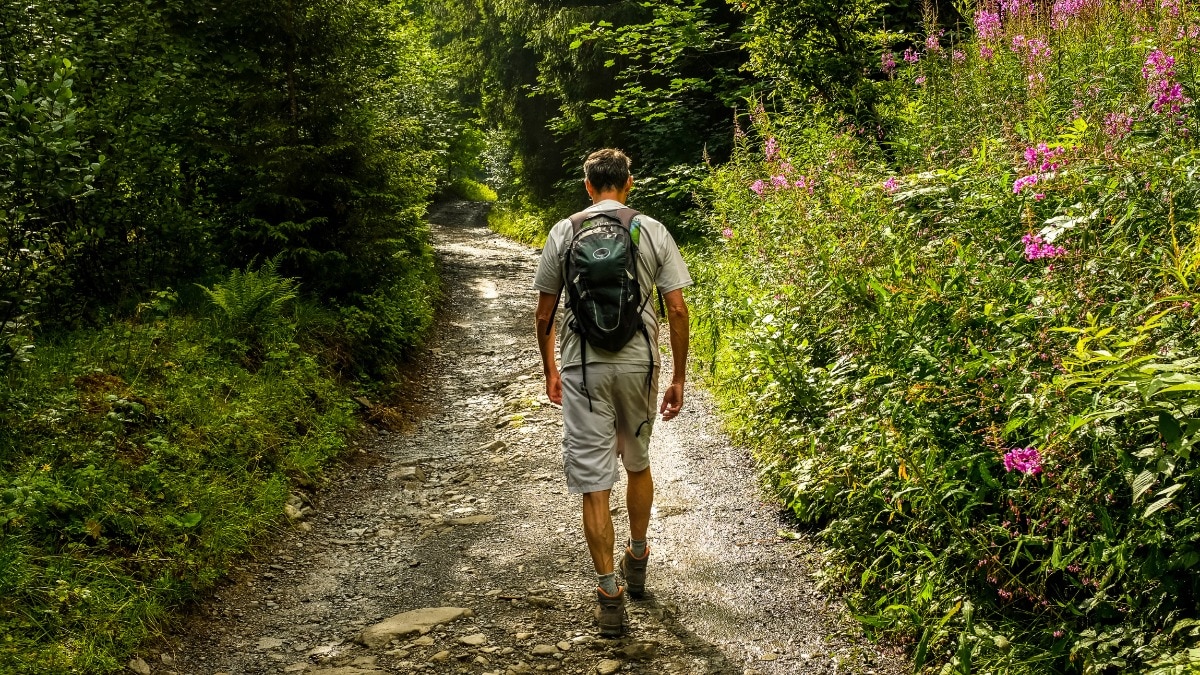
Silence is no longer just the absence of noise. It is fast becoming the world’s newest and rarest luxury.
As per reports, by 2026, more than 56 per cent of travellers will choose destinations primarily to rest and recharge, rather than to sightsee or stay busy. As daily life grows louder and more demanding, 'hushpitality' is quietly reshaping the idea of luxury.
This new travel philosophy is not about simply switching off devices or booking a quieter hotel room. It is about seeking a complete sensory reset. The focus is on intentional sound, or the lack of it, where silence itself becomes the experience.
Why quiet is suddenly worth travelling for
Noise pollution has become one of the most overlooked stressors of modern life. Traffic, notifications, background chatter and constant media consumption have turned silence into something unfamiliar, even uncomfortable. Travel trends now reflect a growing desire to escape that constant stimulation.
Reportedly, wellness experts have linked sustained quiet to improved sleep, lower cortisol levels, and better mental clarity. In response, travellers are prioritising destinations where soundscapes are protected, designed or naturally softened. Silence is no longer incidental. It is carefully curated.
The world’s quietest places
Few destinations embody hushpitality like Haleakala Crater in Hawaii. Sitting over 10,000 feet above sea level, the volcanic terrain absorbs sound so effectively that noise levels can dip below that of a human whisper. Visitors often describe hearing their own breath and heartbeat, a deeply grounding experience.
In Ecuador, the Zabalo River Wilderness Quiet Park takes the idea further. Mechanical noise is strictly prohibited, allowing only the natural rhythms of the rainforest to exist. Flowing water, insects and rustling leaves replace engines and voices, creating one of the purest sound environments on Earth.
In the Middle East, the Wadi Rum Protected Area in Jordan offers a different kind of silence. Sound travels differently here, softened by sand and space, thanks to the vast desert landscapes and towering sandstone cliffs. Across the Pacific Northwest, the Hoh Rain Forest trail in Washington State delivers a silence that feels alive rather than empty. Thick moss, dense trees and constant mist absorb noise, leaving behind only the muted sounds of rainfall and distant birds.
Meanwhile, Yangmingshan National Park in Taiwan offers a rare urban contradiction. Despite its proximity to Taipei, it holds the official 'Urban Quiet Park' status. Forest trails, volcanic terrain and hot springs form a natural barrier from city noise, making it a refuge without total isolation.
Designed silence and acoustic luxury
Hushpitality is no longer confined to remote nature pockets alone. Hospitality brands are now intentionally designing for acoustic wellness, where quiet is built into the experience.
In India, Hushstays curates a handpicked collection of design-led villas, private cottages and secret homestays located in some of the country’s most peaceful settings. These spaces prioritise seclusion, low-density living and a slower rhythm of life.
Hotel Irada in Pune’s wine country sits on a 66-acre vineyard framed by reserve forest, where gentle rustling leaves, vineyard walks, and forest trails set the tone for reflective stillness far from city noise. It offers a space to pause, slow down, and reconnect with oneself, and step away from the overwhelm of the city. With a hot tub in the middle of the forest, a cosy sauna overlooking endless greenery and other experiences like yoga sessions and spa treatments, it feels less like a getaway and more like the perfect place for that much-needed reset in complete silence.
Meanwhile, Coco Shambhala in Sindhudurg, Maharashtra, blends barefoot luxury with deep seclusion. With its award-winning design, sea views and private villa experience just steps from Bhogwe beach, the property invites guests to disconnect from noise and savor mindful stillness. Here, the quiet is punctuated only by waves and birdsong, making time slow down almost immediately.
Hilton Hyderabad Genome Valley Resort & Spa offers a rare pocket of stillness amid landscaped gardens, designed to shield guests from urban chaos while focusing on restorative wellness experiences.
In Arizona, Mii amo is designed around spiritual quiet. Set within red rock canyons, the retreat uses architecture, landscaping and programming to minimise noise and encourage introspection. Silence here is treated as a form of therapy.
At the far end of the spectrum, Waldorf Astoria Maldives elevates silence to spectacle. Private overwater villas, vast distances between accommodations and the gentle rhythm of the ocean create a soundscape defined almost entirely by water and wind.
Reportedly, such properties command premium prices not because they offer more stimulation, but because they offer less noise. In an always-on world, uninterrupted quiet has become one of the most exclusive amenities.
Why hushpitality is becoming the ultimate modern indulgence
What makes hushpitality so compelling is its contradiction. The experience itself costs nothing. Silence exists freely in nature. What travellers are paying for is access to this silence.
In 2026, luxury is no longer defined by excess or opulence. It is defined by the ability to disconnect, to pause, and to exist without constant sound. In a world that never stops talking, the most expensive thing you can find may simply be a moment where nothing needs to be said or heard.
Lead image: Getty Images
Also read: The ultra-rich are done hoarding bags and watches; they're now investing in experiences
Also read: A look at the 'guilt gene' and why we struggle to choose ourselves