




ADVERTISEMENT
Raniwala 1881's Jaipur edit is a love letter to the Pink city
From Jaipur’s vibrant colours and rich artistry to its sporting traditions and grand architectural spaces, Raniwala 1881’s latest collection captures the many facets of the city through three distinct chapters.

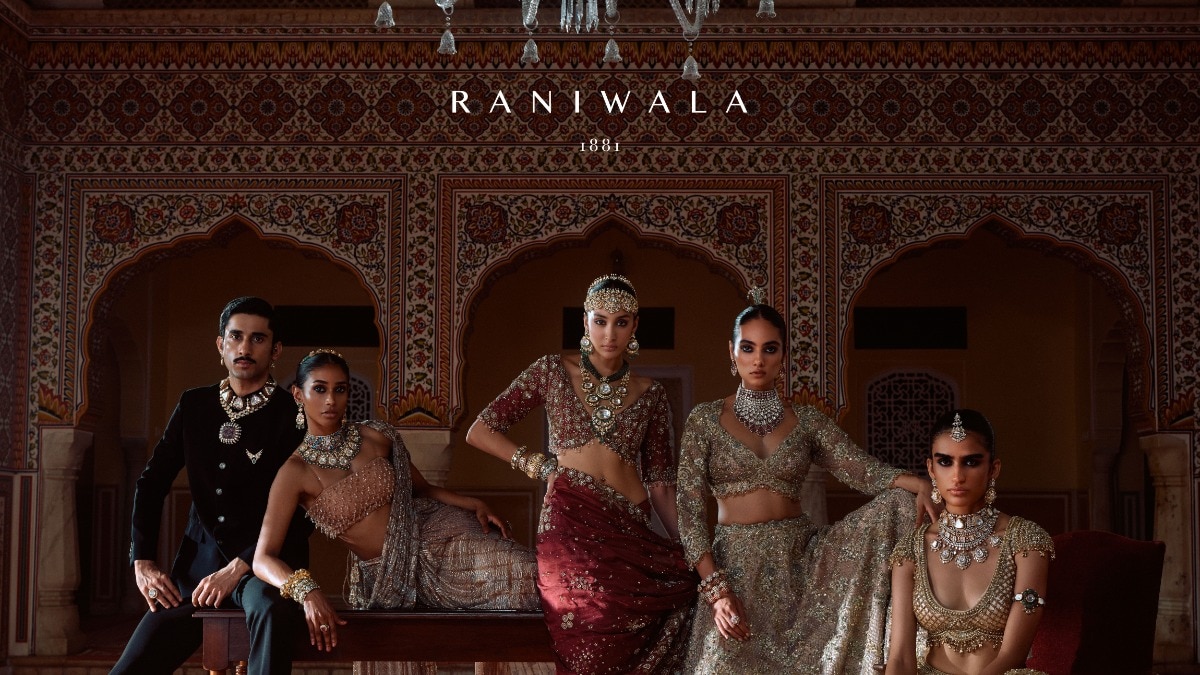
Jaipur has long been a source of inspiration for its intricate craftsmanship, architectural grandeur and unmistakable sense of colour. With the Jaipur Edit: A Love Letter & A Tribute to the City, jewellery house Raniwala 1881, founded in 1727 by Maharaja Sawai Jaisingh II, turns its attention to the city, presenting a collection that pays tribute to its many identities, from its artistic heritage to the quieter moments that shape its character.
Conceived as a love letter to Jaipur, the collection unfolds across three distinct chapters, each drawing from a different aspect of the city. Colour, character, artistry, sporting traditions, grand spaces and everyday moments come together to create a portrait of Jaipur that extends beyond its familiar landmarks. Instead, the edit explores the details and cultural references that make the city distinctive.
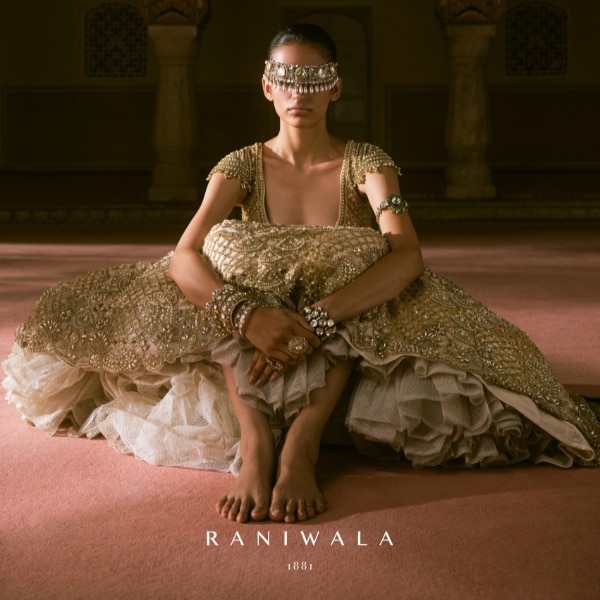
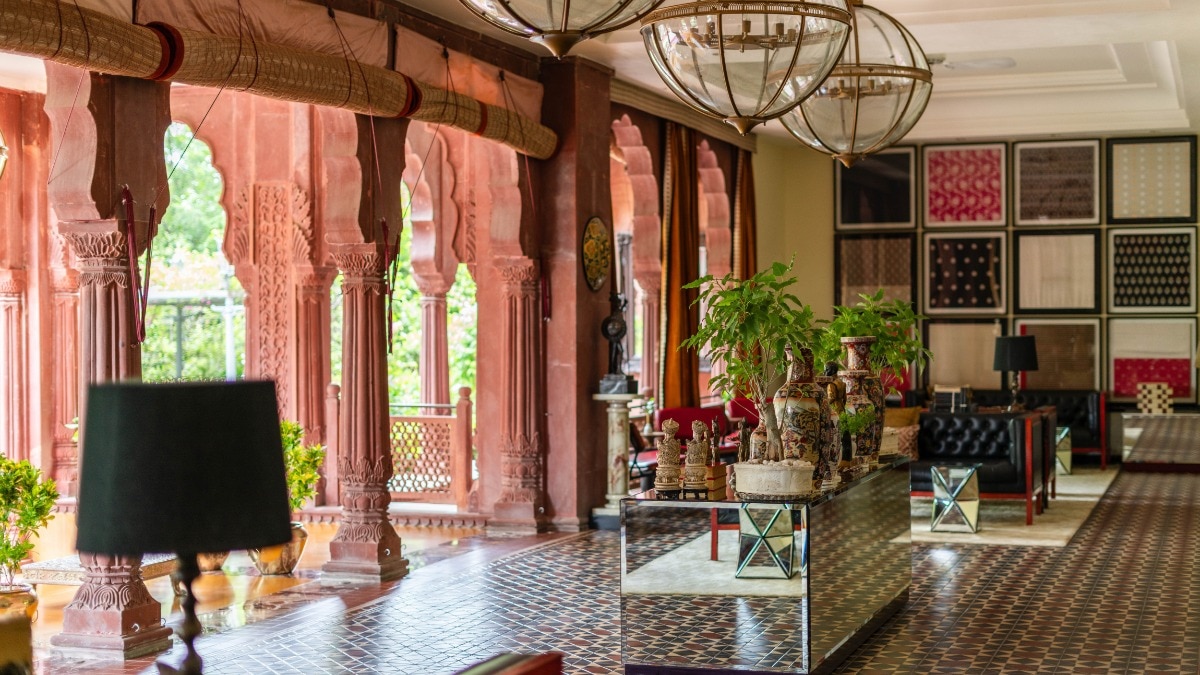
Three of these chapters offer a closer look at the inspirations behind the collection. The Grand Hall draws from Jaipur's architectural spaces and the sense of ceremony they hold, translating scale, symmetry and ornament into jewellery. The city’s jalis, balconies, and intimate architectural details inform this chapter, reflecting spaces designed to observe the world while remaining partly concealed.
Beyond its celebrated landmarks, The Jaipur Edit draws attention to the everyday experiences and cultural traditions that contribute to the city's identity. This broader perspective positions Jaipur not simply as a visual reference, but as a city whose artistic heritage and jewellery-making traditions continue to inform Raniwala 1881’s work.
Through the collection, Raniwala 1881 reflects on its relationship with the city, bringing together its artistic heritage, distinctive character, and contemporary sensibilities. The result is a tribute to Jaipur and the traditions that continue to inform the house's approach to jewellery.
Chaugan turns to Jaipur's royal sporting traditions, taking inspiration from the movement, energy, and pageantry surrounding polo. In contrast, Dusk explores the city as evening sets in, drawing on the rituals of dressing and celebration, the changing light across gerua façades, long shadows, and quiet terraces. Together, the three chapters present Jaipur not simply as a collection of monuments, but as a city experienced through its traditions, rhythms, and everyday moments.
What makes The Jaipur Edit distinctive is its focus on the relationship between a city and the creative identity it nurtures. By drawing from Jaipur’s architecture, artistic traditions, and everyday cultural life, Raniwala 1881 looks beyond familiar symbols to explore the many influences that have shaped its perspective on jewellery. Each chapter offers a different way of looking at the city, bringing together its celebrated heritage and the details that make it uniquely its own.
The co-founders describe The Jaipur Edit as their way of looking at the city they call home, particularly as it approaches its 300th year. As they explain, "The Jaipur Edit is our way of looking at the city we call home, through the details that have shaped how we see beauty, design and jewellery." —Abhishek and Abhiyant Raniwala, Co-Founders, Raniwala 1881
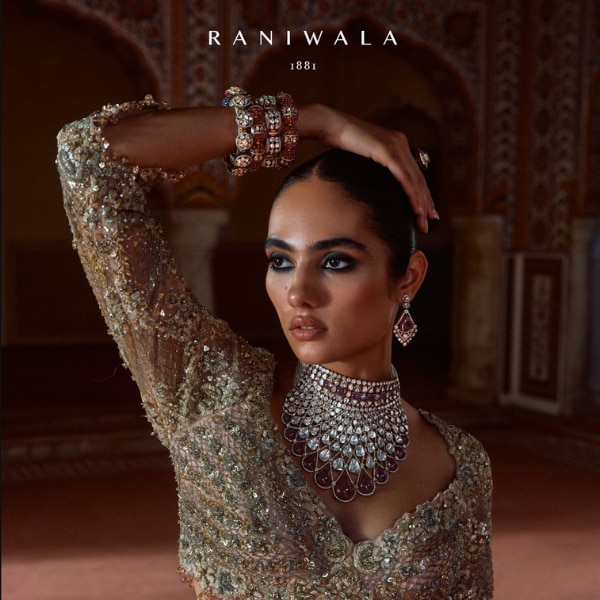
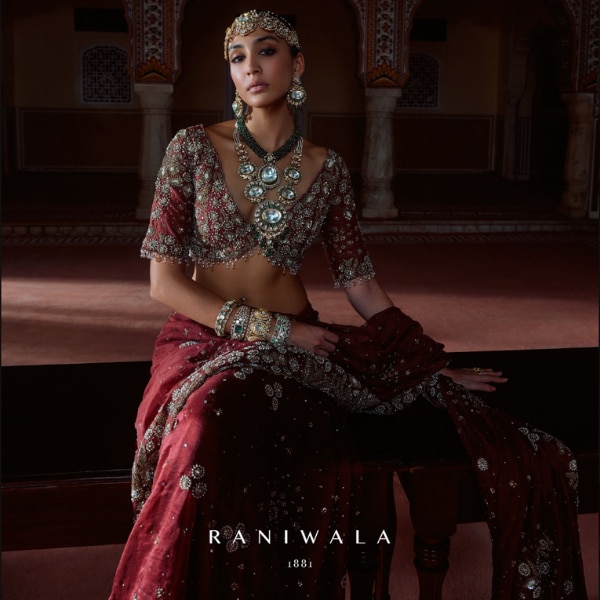
The collection's visual language comes into focus through its statement jewellery, featuring elaborate necklaces, gemstone detailing, and intricate gold work. Styled against richly ornamented architectural backdrops, the pieces reflect the grandeur associated with Jaipur’s jewellery traditions while making a striking impression through their scale and colour.
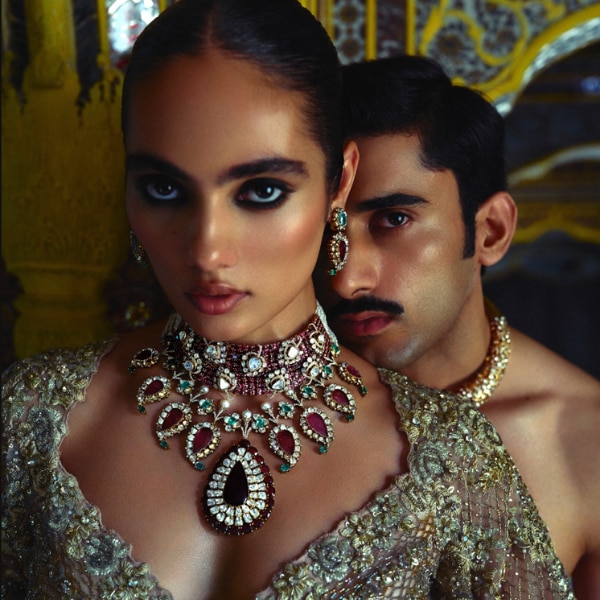
Broad red and green accents punctuate the elaborate settings, while layered designs lend the pieces a sense of opulence. The campaign brings these details into focus, presenting jewellery as an integral part of the larger narrative of the city and its enduring relationship with artistry.
Ultimately, the collection is a reflection of Jaipur as both a source of inspiration and an enduring part of the house’s story. Through The Jaipur Edit, Raniwala 1881 celebrates the city not just for what it looks like, but for what it represents: a legacy of artistry, a distinct cultural identity, and a continuing influence on contemporary Indian design.
Featured images: The brand
Also read: Black lace dresses for when the evening calls for something special
Also read: Homegrown labels that should be on your shopping list this festive season
ADVERTISEMENT
Must Read







ADVERTISEMENT