Retinol for tweens? Dermatologists explain what young skin really needs
From retinol and exfoliating acids to elaborate skincare routines, young people are increasingly experimenting with trends they see online. But does younger skin really need all those activities?

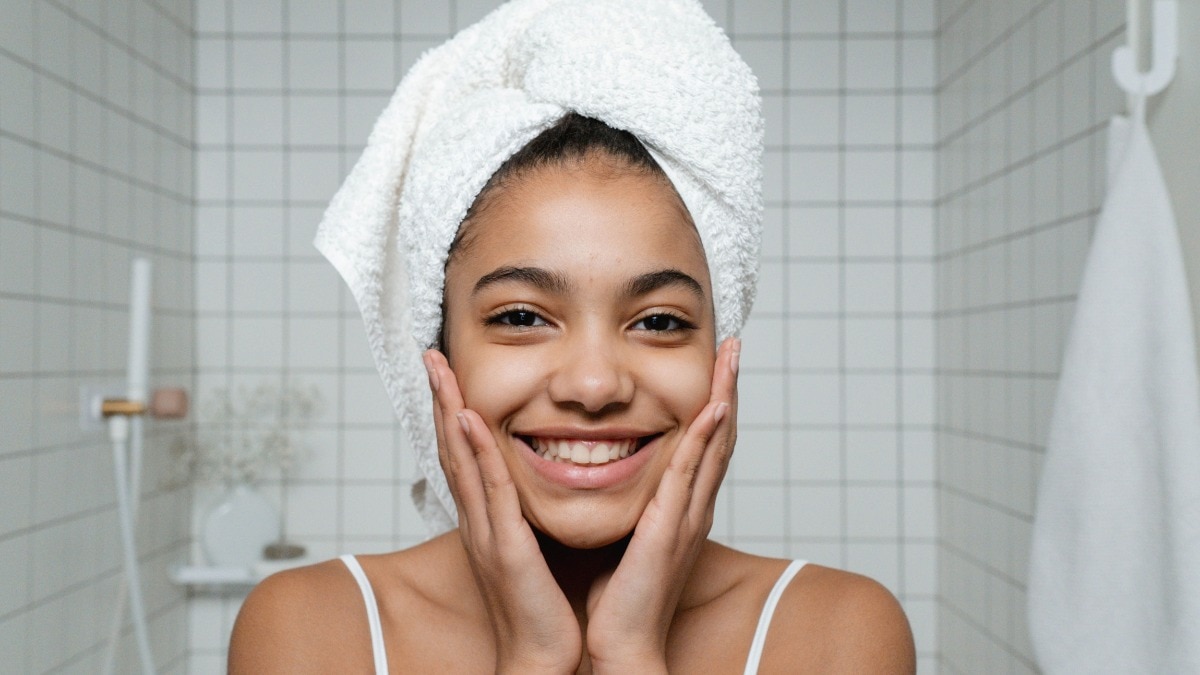
Scroll through social media, and you’ll find tweens and teenagers watching influencers talk about retinol, serums, masks, “glass skin,” and elaborate skincare routines. While developing good skincare habits early is a positive thing, dermatologists caution that young skin doesn’t necessarily need a shelf full of products. “Social media has changed the way young people think about skincare. Today, tweens and teenagers are watching influencers and celebrities talk about serums, retinol, masks, and different beauty treatments,” says Dr Shilpa Patil.
Your tween probably doesn't need retinol
For tweens, skincare can and should be simple. “For tweens, skincare should usually be very simple: a three-step routine of cleanser, moisturiser, and sunscreen,” says Dr Patil. There is generally no need to introduce strong retinol or multiple serums simply because they are trending online.
Teenagers may have genuine concerns such as acne, oily skin, pigmentation or sensitivity due to hormonal changes. These can require targeted products, but the routine should be based on their individual skin rather than what's viral.
“These concerns may need specific products or treatment, but the routine should be based on the individual’s skin and not on what is popular online,” she explains.
When too many actives backfire
Layering several active ingredients can leave young skin dry, red, irritated or sensitive. Trying to treat acne, teenagers may end up using multiple products at once and damaging their skin barrier.
“Sometimes teenagers who are trying to treat acne end up using several products at once and make their skin more irritated and disturb the skin barrier. They then add another product to fix the irritation, creating a cycle that can be difficult to break,” says Dr Patil. The pressure to have “perfect” skin. The problem isn't just what people put on their skin. It's also what young people are being shown. “Young people are constantly shown images of completely smooth, poreless and glowing skin. This can make normal skin look like a problem,” says Dr Patil. Pimples, visible pores and changes in the skin during puberty are normal. They don't automatically require a complicated treatment plan.
What about peels and lasers?
Social media has also made teenagers more curious about professional treatments such as chemical peels and lasers. But popularity shouldn't be the reason for undergoing a procedure. “These treatments should not be considered simply because they are popular online. Every treatment should have a proper reason, and a dermatologist should decide whether it is appropriate for that particular person,” Dr Patil says. Parents, have the conversation. Instead of simply banning skincare, parents can ask teenagers what they're using and why. Understanding what they're seeing online can make it easier to address misinformation. If a teenager has persistent acne, pigmentation, excessive dryness, or irritation, Dr Patil recommends consulting a dermatologist rather than continuing to experiment with viral products. Her advice is simple: “Treat your skin, don’t follow every trend.”
With younger skin, more isn't necessarily better. A gentle routine, sunscreen, healthy habits, and appropriate treatment when there is a genuine concern can go much further than a bathroom shelf full of activities.
Lead image: Pexels
Also read: Why is 'volufiline' suddenly everywhere in beauty?
Also read: What are secretomes? The new frontier in regenerative skincare