




ADVERTISEMENT
The smartest in-flight beauty routine is to do less
Here’s what flying really does to your skin—and how to protect it.


There was a time when in-flight beauty meant a quick spritz of rose water before landing. Today, the modern aircraft cabin is lined with sheet masks, cooling eye patches, and meticulously decanted skincare routines. Fuelled by social media’s obsession with looking just as polished at baggage claim as you did at boarding, in-flight skincare has become a familiar ritual.
The aircraft cabin remains one of the harshest environments for the skin. Low humidity, disrupted sleep, and increased UV exposure work together to weaken the skin barrier long before you reach your destination. “Inside an aircraft cabin, the humidity levels drop to somewhere around 10 to 20 per cent. Compare that to the 40 to 70 per cent on the ground and your skin is essentially sitting in a very dry room for long hours,” explains Dr Madhuri Agarwal, dermatologist and Director at Yavana Aesthetics Clinic. As water escapes through transepidermal water loss, the skin begins to feel tight, rough, and visibly lacklustre. “And dehydrated skin scatters light poorly that is why you look duller on landing.” That dullness, however, is less about exhaustion and more physics. The outermost layer of skin, the stratum corneum, functions like a brick wall, with skin cells acting as bricks and lipids acting as the mortar holding everything together. In an environment where humidity can dip below 10 per cent, that carefully balanced structure begins to lose water far more quickly than it can replace it. According to dermatologist Dr Jaishree Sharad, studies have shown cheek hydration can decrease by as much as 37 per cent within just a few hours of flying. The symptoms arrive quietly: dehydration lines that suddenly seem deeper, skin that feels rougher than it did at take-off, heightened sensitivity, and a complexion that reflects less light than it did eight hours earlier. Thankfully, for most healthy skin, these changes are temporary rather than permanent.
Recycled cabin air has become something of a beauty villain, but both the dermatologists agree it is the low humidity that causes the greatest disruption. It’s the combination of exceptionally dry air, prolonged air conditioning, sleep disruption, and constant friction against neck pillows, face masks and headrests that gradually leaves the skin depleted. For daytime flights, particularly if you’re seated by the window, sunscreen deserves a place in your carry-on just as much as your passport. Aircraft windows block most UVB rays, but a significant amount of UVA still passes through, making pigmentation and photoageing a very real concern. That’s why in-flight skincare has become its own beauty genre. Social media would have you believe every long-haul flight demands a 10-step ritual complete with sheet masks, exfoliating pads and multiple serums. Reality, unsurprisingly, is far less glamorous.
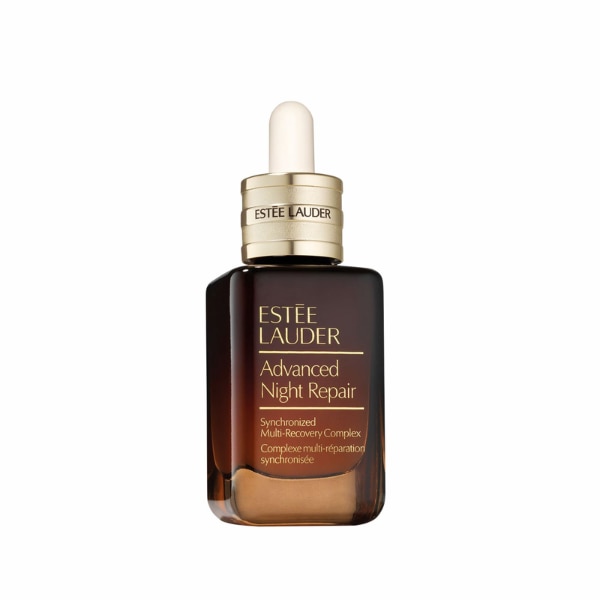
Estée Lauder Advanced Night Repair Serum Synchronized Multi-recovery Complex, ₹12,900 approx.
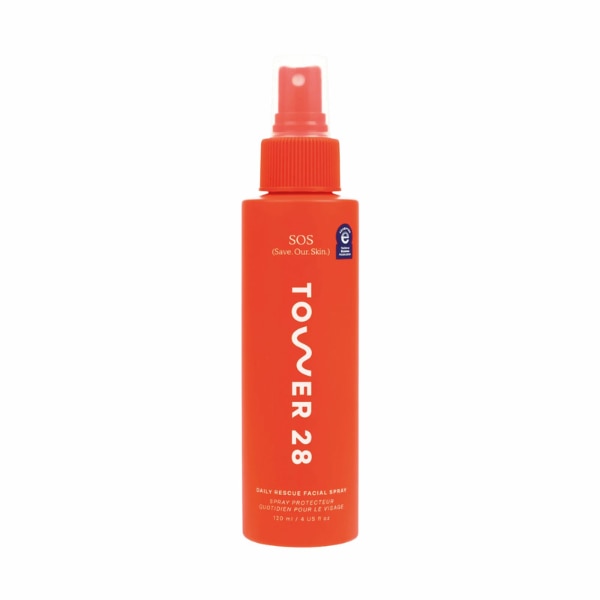
Tower 28 SOS Daily Rescue Facial Spray, ₹2,700 approx.
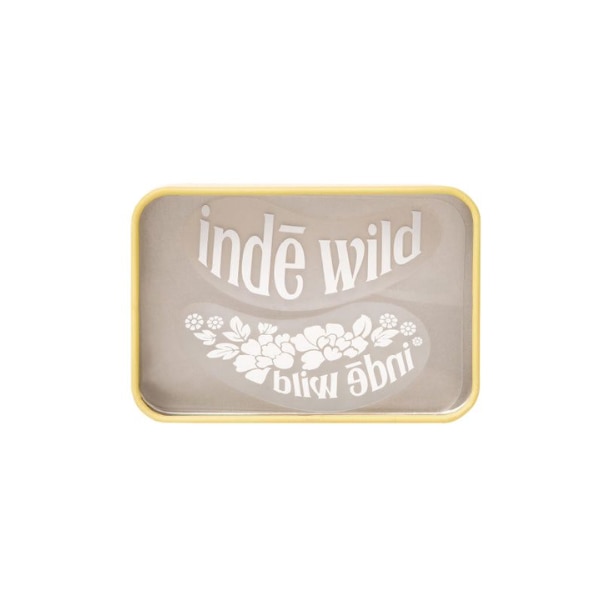
Indewild Luminary Under Eye Patches, ₹995
“Face mists are similarly overrated as spraying a hydrating mist on the dry skin without sealing it in can actually worsen dryness,” says Agarwal. “The one hack that can actually work is layering an occlusive product over a hydrating product.” Sharad’s advice is similarly restrained. Humectants, emollients, and occlusives remain the gold standard for supporting the skin barrier while repeated face misting, exfoliating acids, retinoids and complicated 10-step routines are more likely to compromise the skin than improve it. As she points out, “A flight is not the ideal setting to test a new active ingredient because reactions are difficult to manage in transit.” Ironically, the most effective travel skincare routine asks you to pack less, not more. A barrier supporting moisturiser rich in ingredients such as glycerin, ceramides or squalane, a broad-spectrum sunscreen for daytime flights, a nourishing lip balm. That’s the core routine both dermatologists consistently return to. Everything else is optional.
The most effective in-flight skincare routine begins long before take-off. Dermatologists recommend boarding with an already healthy skin barrier: cleanse gently, apply a richer than usual moisturiser, keep make-up light, and don’t skip SPF if you’re flying during daylight. During the journey, resist repeatedly washing your face, redirect the overhead air vent away from your skin, drink water consistently, and reapply moisturiser when your skin begins to feel tight. After landing, cleanse away sunscreen and cabin residue before focusing on hydration rather than immediately reaching for exfoliants or resurfacing acids. Give your skin a day to recover before returning to your usual active ingredients.
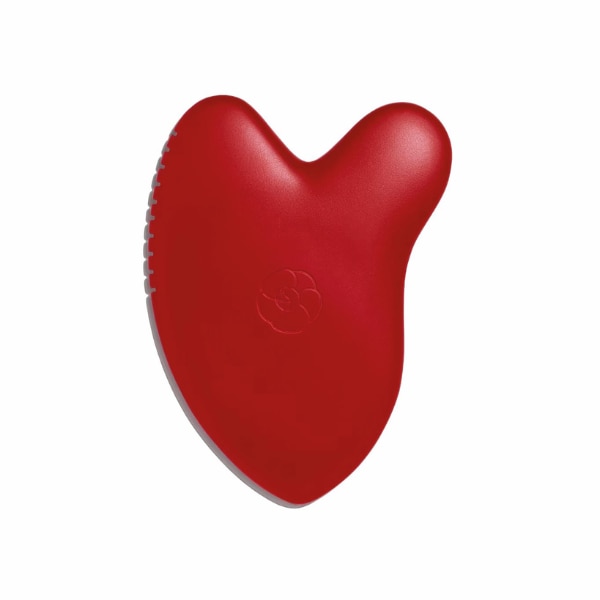
Chanel N°1 de Chanel Massage Accessory, ₹6400
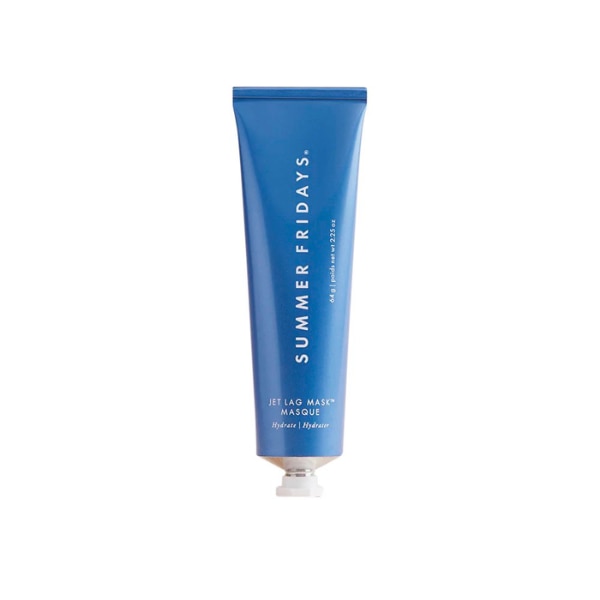
Summer Fridays Jet Lag Mask + Moisturizer, ₹4,700
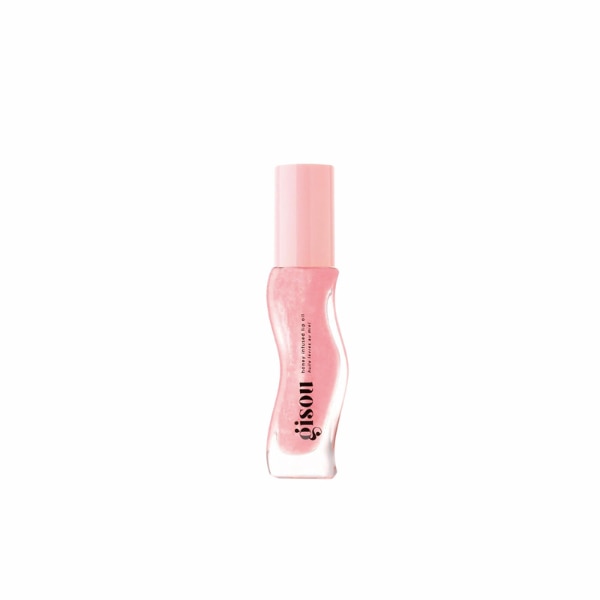
Gisou Honey Infused Lip Oil, price on request
For model and frequent traveller Avanti Nagrath, years spent flying for work have ultimately reinforced the same lesson dermatologists advocate. “I’ve learned that keeping it simple is the best approach.” Make-up comes off before boarding, hydration takes priority, and moisturiser replaces complicated skincare rituals. She has also stopped chasing viral trends. “One hack that genuinely works is arriving with clean skin and focusing on hydration rather than wearing make-up throughout the flight. My skin always thanks me for it.”
Creative entrepreneur and content creator Aishwarya Avlani has reached a similar conclusion. “I’ve realised my in flight skincare routine depends entirely on the length of the flight,” she says. On shorter journeys she keeps it simple while overnight flights occasionally call for a collagen mask. “I’ve learnt that giving my skin an hour to reset before jumping straight into my trip makes the biggest difference to how fresh I look and feel.” Perhaps that’s the biggest in-flight beauty myth of all. Healthy skin doesn’t need an elaborate routine to survive eight hours in the sky. It needs a barrier strong enough to withstand them. At 35,000 feet, the smartest thing you can pack isn’t another serum, it’s the discipline to leave most of them behind.
This article originally appeared in Harper's Bazaar India's August - September 2026 print issue.
Image credits: Courtesy Shutterstock
Also read: Matcha-infused skincare finds that will detoxify your routine
Also read: Why skin density is the key to a glowing complexion
ADVERTISEMENT
Must Read









ADVERTISEMENT