




ADVERTISEMENT
How sports stadiums became fashion's most unexpected runway
The stands are the new front row.

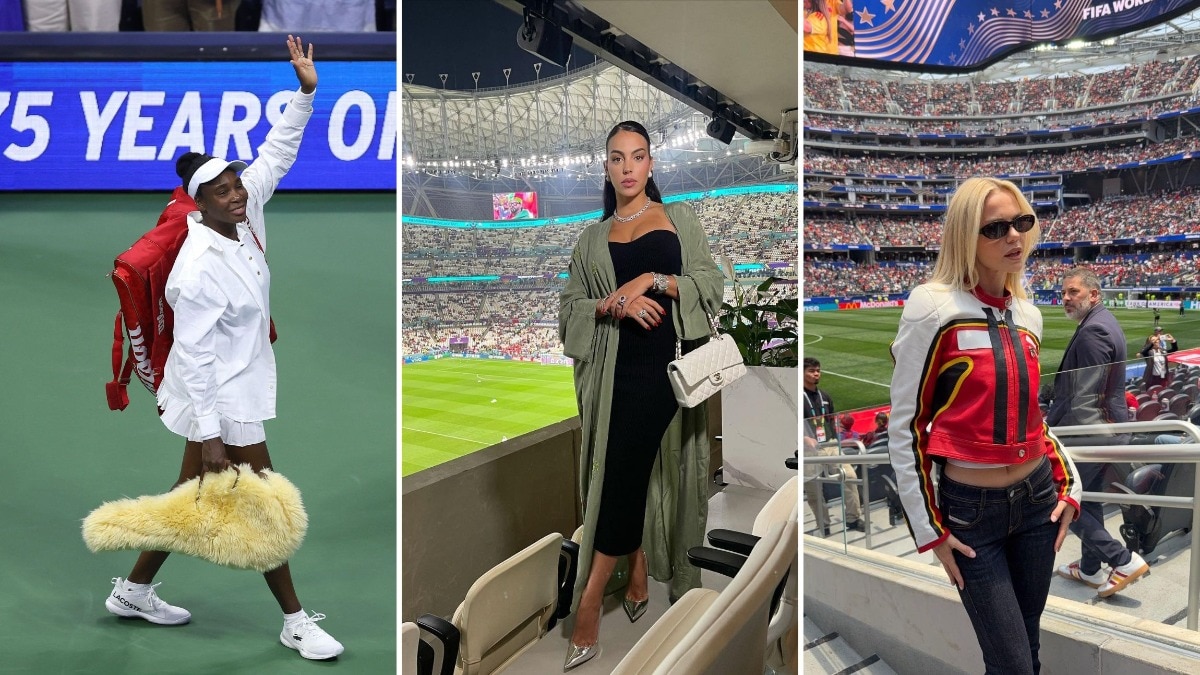
Fashion has always loved borrowing from sport. A tennis skirt here. A racing jacket there. Somewhere along the way, getting dressed for a football match became just as important as getting dressed for Fashion Week. Stadiums, once ruled by jerseys and sensible trainers, are now full of vintage football scarves, designer handbags wearing club keyrings like tiny badges of honour, and white trousers displaying an admirable faith in ketchup. Fashion likes to think it decides what's next. This summer, sport politely suggested otherwise.
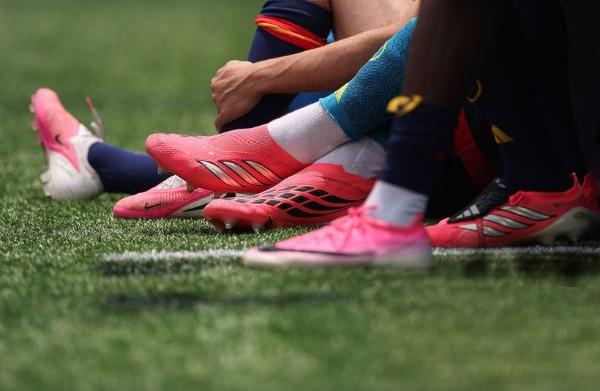
The first trend of the season wasn't unveiled beneath the lights of Paris Fashion Week. It ran onto a football pitch. 365 of the 528 starting players in the opening round of the FIFA World Cup wore some shade of pink on their feet—nearly seven out of every ten starters.
Brands called it visibility. Designers saw something else: fashion catching up. Whatever explanation you prefer, one thing was impossible to miss: the loudest trend of the summer wasn't walking down a runway. It was sprinting across a football pitch.
If pink boots announced where sport was headed, Wimbledon proved fashion had been playing the long game all along. Since 2006, Ralph Lauren has been the Official Outfitter of The Championships, Wimbledon, the first and still the only designer in the tournament's history to hold that role.
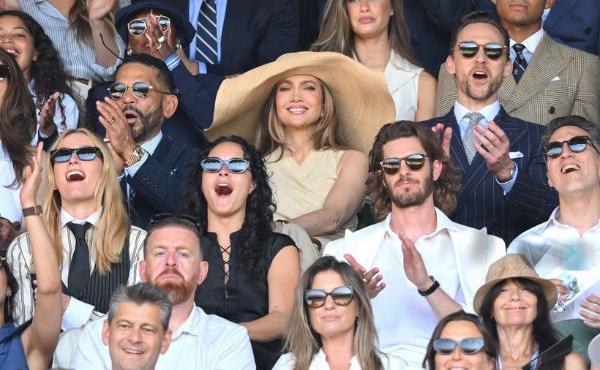
Outside Centre Court, another dress code assembles itself. Linen blazers. Navy knitwear thrown over shoulders that probably became unnecessary by noon. Panama hats attempting to negotiate with the English weather. Someone carrying strawberries and cream in one hand and a Margaux bag in the other.
For two weeks every summer, billionaires, tourists, interns, and lifelong tennis obsessives accidentally agree on the same palette. Cream. Navy. Hope. The strawberries remain gloriously democratic. They stain everyone equally.
Formula 1, meanwhile, never learned the art of subtlety. The paddock doesn't whisper luxury. It arrives with branded hospitality, polished carbon fibre, and enough tailoring to convince you Milan Fashion Week accidentally took a wrong turn into Monaco. The transformation wasn't accidental. Since Liberty Media reshaped Formula 1 into an entertainment business and LVMH signed its landmark global partnership with the championship, luxury has become woven into every layer of race weekend.
Louis Vuitton trophy trunks. TAG Heuer timing. Hospitality suites that feel closer to private members' clubs than grandstands. Fashion didn't just find a new audience. It found a new stage.
The next leap wasn't another ambassador contract. It was an entire football club. In 2025, Louis Vuitton became the official formalwear partner of Real Madrid's men's and women's football teams, as well as its men's basketball team, marking the house's first move into dressing athletes beyond the pitch itself.
The most interesting shift is happening in the stands. The football scarf has quietly replaced the statement necklace. Vintage jerseys are layered beneath beautifully tailored coats. Team loyalty has become another accessory, except unlike the handbag, it can't simply be swapped out next season.
Perhaps stadiums haven't become fashion's newest runway at all. They've become its fitting room. Trends arrive there wearing impeccable tailoring. They leave only if thousands of people decide they're worth taking home.
All images: Getty Images
Also read : Barrel jeans had their moment; balloon pants have entered the chat
Also read : Crystal jewellery and metallic accessories to elevate every look
ADVERTISEMENT
Must Read
ADVERTISEMENT