





ADVERTISEMENT
Bvlgari’s CEO Corinne Le Foll on bold jewellery, colour, and the future of luxury
Corinne Le Foll, Chief Executive Officer of Bvlgari’s jewellery and high jewellery division, on why boldness still matters in luxury.

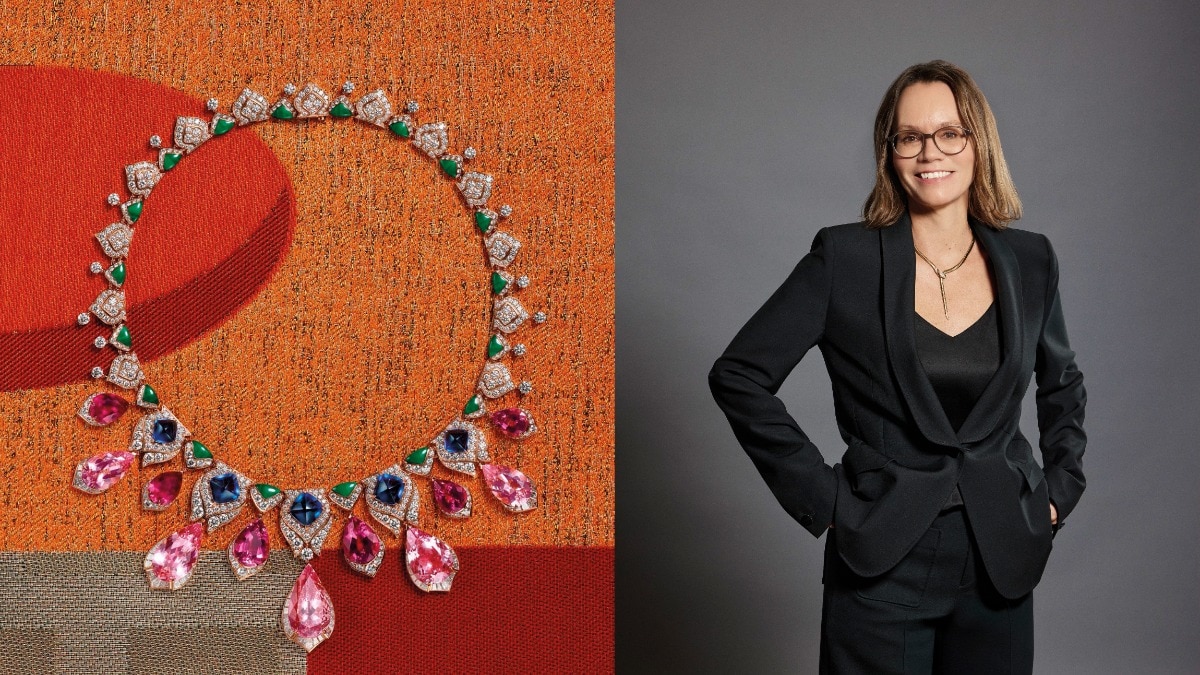
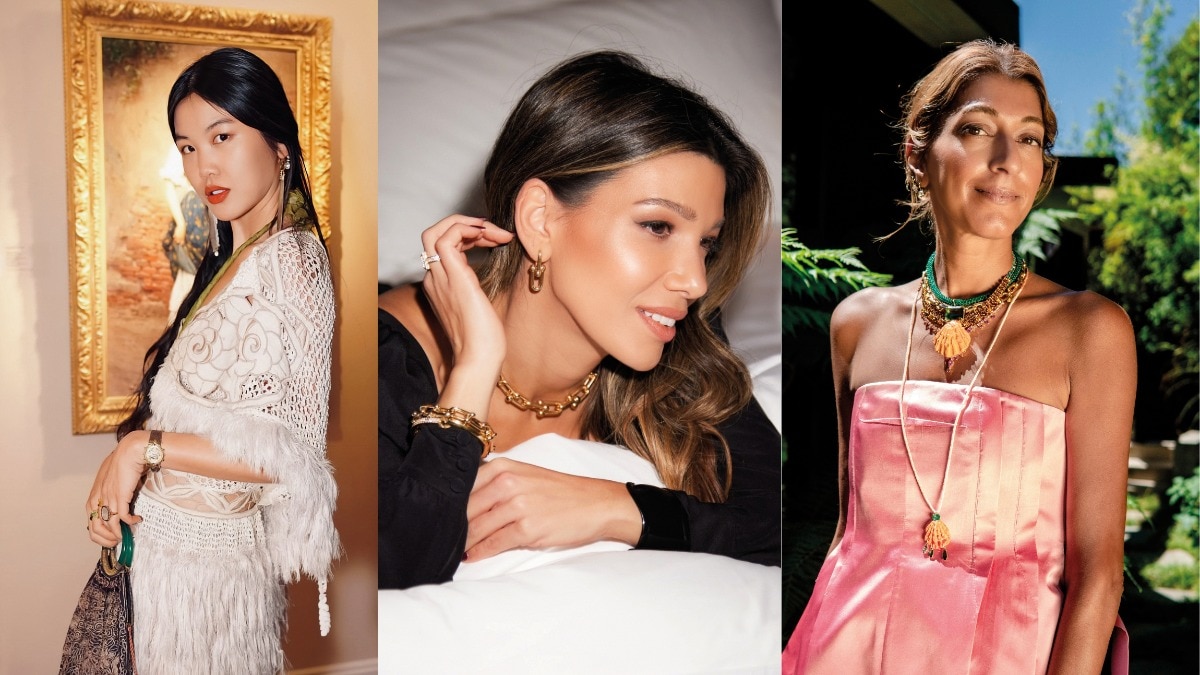
In Milan, amid the unveiling of Bvlgari’s latest high Villa Arconati and Villa Necchi Campiglio, one thing becomes immediately clear: Bvlgari’s world is built on audacity and powered by remarkable women. Through dazzling Padparadscha sapphires, Golconda diamonds, serpentine silhouettes, and sculptural masterpieces inspired by Rome, the collection celebrates colour, craftsmanship, and emotion in equal measure. At the centre of this conversation is Corinne Le Foll, the Chief Executive Officer of Bvlgari’s jewellery and high jewellery division, who reflects on Italian versus French jewellery sensibilities, India’s growing appetite for branded jewellery, and why boldness remains intrinsic to the brand.
Harper’s Bazaar: After spending two decades shaping strategy at Cartier, and leading De Beers, what drew you to Bvlgari?
Corinne Le Foll: I think it was meant to be. After 20 years in the jewellery industry, mostly with French jewellery houses, I felt incredibly excited by the idea of contributing to the development of the most beautiful and exciting Italian jewellery Maison.
HB: If you had to describe the difference between French and Italian jewellers in just a few words, what would they be?
CLF: Boldness. The art of colour. And volume.
HB: Colour feels central to Eclettica. What defines Bvlgari’s relationship with colour?
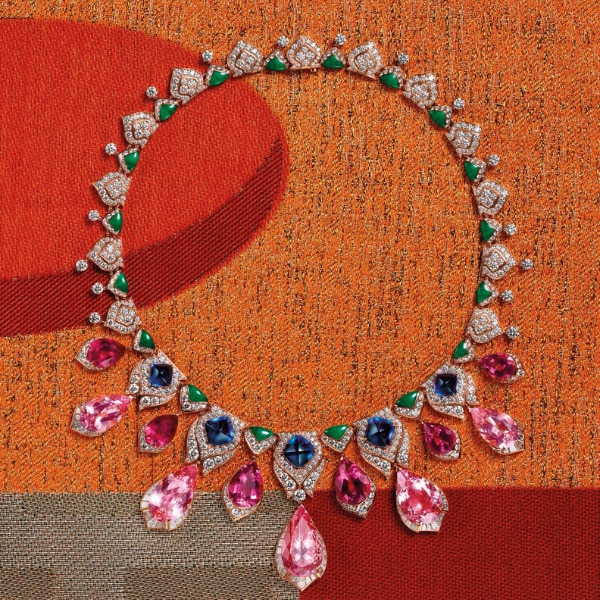
CLF: What makes Bvlgari different is our audacity, especially in the way we combine hues. If you look back at our archives from the 1950s, you’ll see we were among the first jewellers to mix unexpected gemstones and colour palettes together. Traditionally, French jewellery tends to focus on one dominant colour or perhaps a combination of two. At Bvlgari, we might combine three or four colours in a single creation. That fearless use of colour is deeply rooted in who we are.
HB: In India, we’re now seeing people increasingly invest in branded jewellery. Have you noticed that shift globally?
CLF: Absolutely. Clients today are far more knowledgeable and demanding. They come to brands looking for creativity, craftsmanship, emotion, and design language.
HB: Bvlgari has become incredibly relevant in India through pieces like the Mangalsutra and Kada. What inspired those decisions?
CLF: Our intention was never to copy Indian jewellery. India’s relationship with jewellery is incredibly rich and profound. What we wanted to do was pay tribute to Indian clients and culture by reinterpreting pieces that hold deep significance in Indian traditions through the lens of Bvlgari.
HB: Bvlgari has always been associated with a bold Roman aesthetic. But in an era where “quiet luxury” dominates fashion conversations, how does the Maison continue to assert this visual identity?
CLF: We are fortunate because our sources of inspiration are incredibly wide, which is why eclecticism is such an important part of Bvlgari’s DNA. Within Eclettica, you’ll find highly architectural, bold creations, but also more monochromatic and classical pieces inspired by Roman sculpture and neoclassicism.
HB: One of the standout pieces for me was the heart-shaped necklace inspired by the Golconda diamond, as well as the scarf-like creation that almost felt like wearable technology merged with art. Where does that fearlessness come from?
CLF: Fearlessness is part of our heritage. Rome itself teaches you that beauty can be dramatic, layered, emotional, and bold. We don’t approach jewellery with restraint. We approach it with emotion and imagination.
HB: Do you believe the definition of luxury jewellery is changing for younger consumers?
CLF: Very much so. But interestingly, what younger generations value today, timelessness, circularity, emotional value, individuality, has always been the essence of jewellery. It is inherently circular. You buy a piece, keep it forever, and pass it down through generations. It carries memories and emotions. And Bvlgari jewellery, because it is joyful and expressive, naturally resonates with younger audiences.
This article originally appeared in Harper's Bazaar India's April-May 2026 print issue.
Image credits: The brand
Also read: How Kanika Agarwal is creating a new language of Indian luxury in Paris
ADVERTISEMENT
Must Read
ADVERTISEMENT