




ADVERTISEMENT
How tulåh is bringing India’s wellness wisdom to a global audience
A new clinical wellness sanctuary in Kerala is blending traditional healing systems with modern medicine.

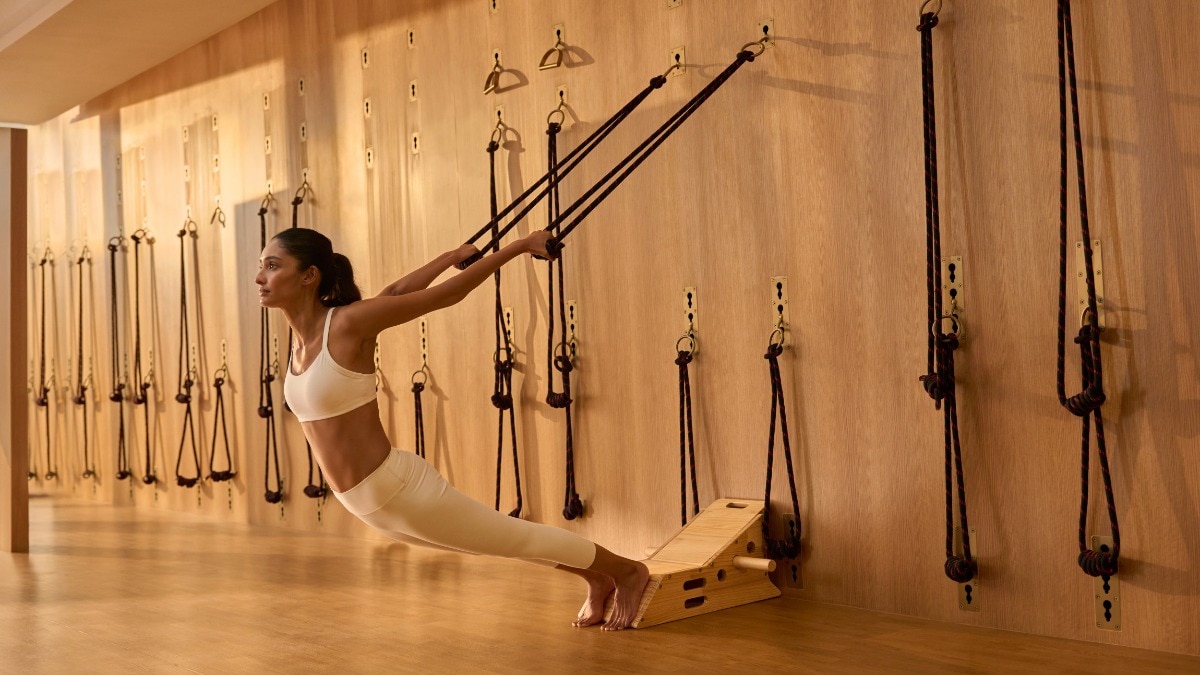
India’s wellness traditions have long attracted visitors from around the world, but a new destination in Kerala is aiming to take that conversation a step further. Earlier this year, tulåh Clinical Wellness unveiled its flagship sanctuary in northern Kerala, positioning itself as a space where ancient healing practices and modern clinical science coexist.
The three-day unveiling, held from May 1 to May 3, 2026, brought together an influential guest list spanning business, culture, medicine and philanthropy. Among those in attendance were Sajjan Jindal and Sangita Jindal, Tarun Tahiliani, Nadir Godrej, Dr Rati Godrej, Dr Naresh Trehan, Dr Amit Anand, Urvashi Khemka, and Mariam Ram. The gathering reflected a growing interest in wellness not simply as a luxury experience, but as a more integrated approach to health, longevity, and quality of life.
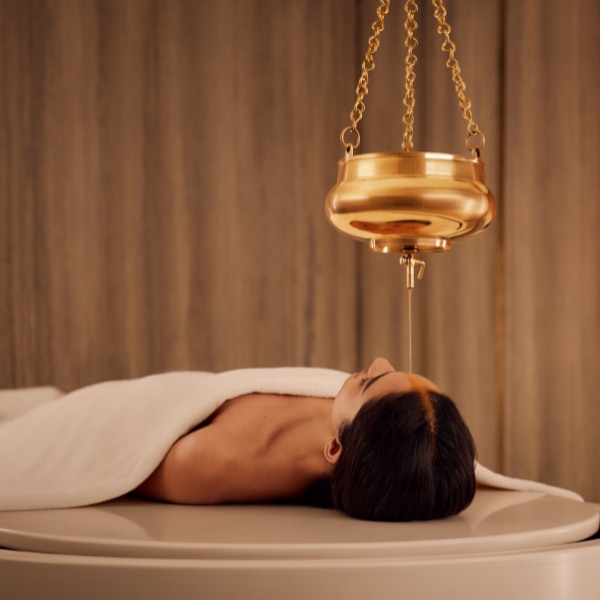
Set across 30 acres of medicinal gardens and rewilded forests, tulåh has been conceived as a clinical healing sanctuary rather than a traditional wellness retreat. Its approach combines practices such as Ayurveda, yoga, Vedanta, Tibetan medicine, and traditional Chinese medicine with advanced diagnostics, regenerative medicine, and modern healthcare expertise. The idea is to create personalised programmes that address physical, mental and emotional well-being through a multidisciplinary lens.
During the launch, guests were introduced to the sanctuary’s philosophy through a series of immersive experiences. Wellness therapies, curated dining experiences, and cultural programming were designed to showcase the connection between healing, community, and Indian heritage. Rather than presenting tradition as something fixed in the past, the experience explored how long-standing practices can be reinterpreted for contemporary lifestyles.
The cultural component was particularly central to the experience. Performances by Kerala-based collectives, including Shanka Tribe, the Bonny Abraham Ensemble, and Jupiter Springs, celebrated local artistic traditions. In contrast, a special performance by Grammy-recognised sitarist Asad Khan brought the event to a close.
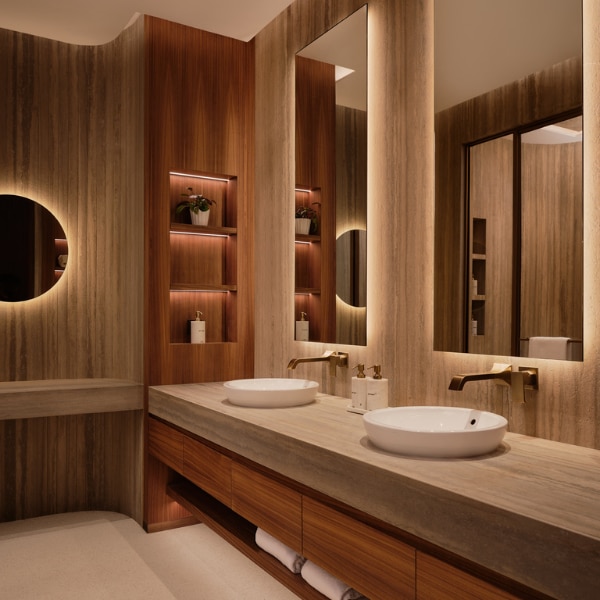
The property itself includes several notable collaborations. In partnership with Greenara, tulåh unveiled a 23-metre wellness-integrated waterfall that serves as a symbolic arrival point for guests. Elsewhere, Jaipur Rugs brought traditional weaving practices into the space through live artisan demonstrations, while Mauli Rituals created bespoke skincare and self-care experiences. Pepper House curated a retail offering that highlighted Indian craftsmanship and contemporary design.
What distinguishes tulåh most is its ambition beyond destination wellness. The sanctuary is being positioned as the starting point for a larger ecosystem that will eventually include urban wellness hubs, integrative health programmes, and at-home care experiences. The goal is to extend the principles of preventive and holistic wellbeing into everyday life rather than limiting them to occasional retreats.
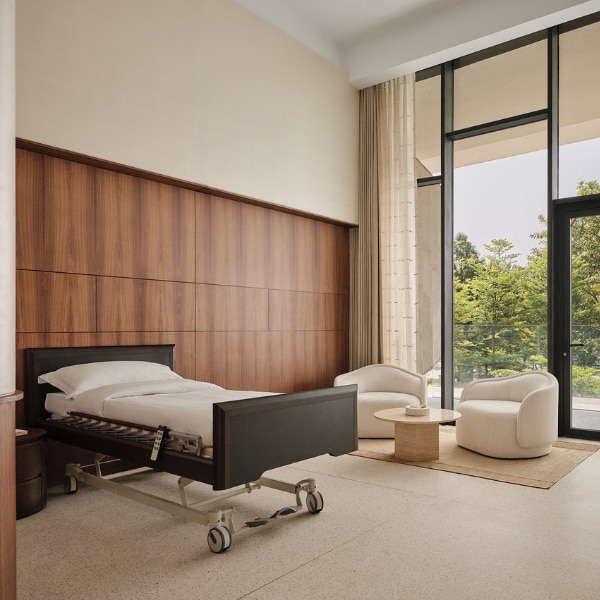
Reflecting on her visit, Aditi Premji, Chairperson of the Wipro Foundation, noted the value of a system that combines ancient wisdom with modern science in an environment that feels welcoming and accessible. It is a sentiment that aligns closely with tulåh’s wider vision.
At a time when conversations around health are becoming increasingly personalised, tulåh represents a growing confidence in India’s ability to shape the future of global wellness. By bringing together clinical expertise, traditional knowledge and cultural storytelling, tulåh is presenting a distinctly Indian perspective on what modern wellbeing can look like.
All images: The brand
Also read: Have 'breakfast spots' replaced clubbing for millennials? These cafés say yes
Also read: The wellness table: Inside the world's most nourishing restaurants redefining luxury dining
ADVERTISEMENT
Must Read




ADVERTISEMENT