




ADVERTISEMENT
Thinking of upgrading from retinol to 'retinal'? Read this first
Retinal is having a major skincare moment. But before you decide to make the switch, here’s everything you need to know.

For decades, retinol has been considered the gold standard in over-the-counter anti-ageing skincare. It has been loved by dermatologists and skincare enthusiasts alike for its ability to boost collagen production, smooth skin texture, and soften lines and wrinkles. But in recent times, retinal has emerged as retinol's more efficient cousin.
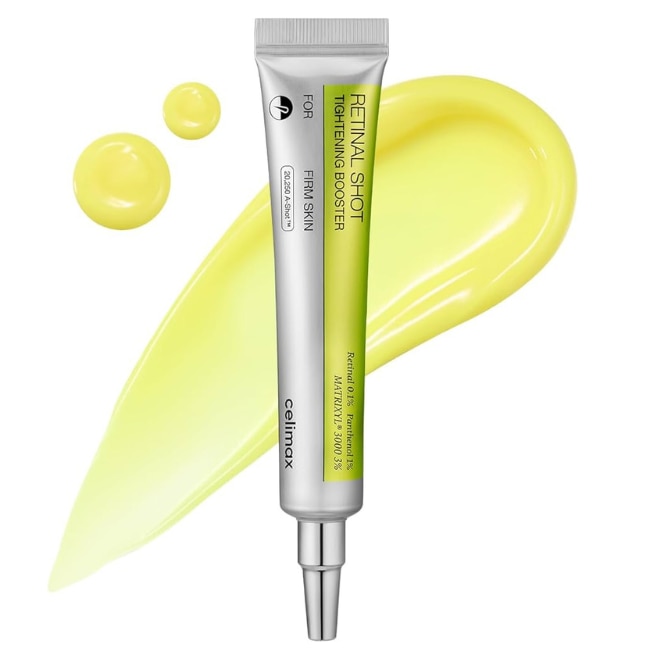
You’ve probably seen reels of viral retinal K-beauty products like the Celimax Vita-A Retinal Shot Tightening Booster, not to mention new serums and night creams where retinal is the hero ingredient. But does it live up to the hype? Read on to find out.
Decoding retinoids
To understand how retinal works when compared to retinol, we spoke to an expert dermatologist who breaks it down for us. Dr Bindu Sthalekar, celebrity dermatologist and founder and medical director of Skin Smart Solutions, explains that while retinol, retinal (short for retinaldehyde), and tretinoin are all part of the retinoid family and are derived from vitamin A, they differ in strength and how quickly they become active in the skin. “Retinol is the beginner-friendly version, and tretinoin is the strongest prescription form, while retinal sits in between. In my experience, retinal strikes a good balance between efficacy and tolerability,” says Dr Sthalekar.
She explains that these ingredients are highly effective for improving skin texture, boosting collagen production, reducing fine lines and wrinkles, fading pigmentation and post-acne marks, while also helping to keep pores clear. With consistent use, they can make the skin appear smoother, firmer, and more even-toned.
So how are retinol and retinal different then? “The key difference,” she states, “is that retinal is one step closer to retinoic acid, the active form that the skin actually uses. Since it requires fewer conversion steps within the skin, retinal tends to work more efficiently than retinol while offering similar benefits.” Let’s use a travel analogy to understand this better: think of it like this, retinol needs to take two connecting flights to reach its destination, while retinal needs only one. Since retinal has a shorter journey, it gets there more directly.
A speed advantage over retinol?
We often hear ‘retinal works 11 times faster than retinol’. But Dr Sthalekar points out that the difference is often one of efficiency rather than speed of visible results. “Both ingredients ultimately work through the same biological pathways, but retinal reaches those pathways more directly. As a result, many patients notice improvements in texture, fine lines and overall skin quality sooner than they would with retinol.”
So, what can you realistically expect with retinal? Dr Sthalekar shares that while most people begin noticing improvements in brightness, texture and skin smoothness within six to eight weeks, pigmentation, acne and fine lines generally require longer, often three to six months or more.
That said, she is quick to remind patients that collagen remodelling is inherently slow. “No retinoid, regardless of strength, can replace the value of consistent use over time. The most impressive retinoid results are usually seen after a year of disciplined use,” she says.
Is retinal right for you?
But does retinal make sense for everyone? And when should one upgrade to it? “Patients who have been using retinol consistently and feel their results have plateaued are often good candidates for retinal, particularly if pigmentation, uneven skin tone or early signs of photoageing are their concerns,” says Dr Sthalekar. “However, I don’t believe every retinol user automatically needs to progress to retinal. The decision should always be guided by treatment goals.” So, if your current retinol is already delivering the results you want, there may be little reason to switch.
But can someone who has never used retinol directly start with retinal? Dr Sthalekar points out that modern retinal formulations are considerably more sophisticated than older retinoid products and are often combined with barrier-supportive ingredients that improve tolerability. As a result, starting with retinal is now a possibility for some users. “For patients with resilient skin, I am increasingly comfortable introducing retinal as a first retinoid,” she says.
Introducing retinal into your routine
We quiz the expert about common side effects when upgrading from retinol to retinal, what to expect and the best way to transition. She explains that because retinal is more biologically active, some degree of adjustment is normal.
“Mild dryness, flaking, transient redness, or increased sensitivity can occur during the first few weeks. What I’d like to emphasise is that irritation should never be viewed as evidence that a product is working. Excessive inflammation often compromises the skin barrier and can be particularly problematic in darker skin types, where post-inflammatory hyperpigmentation is a concern. I usually recommend introducing retinal two or three nights a week initially and increasing frequency only as the skin comfortably adapts,” she advises.
“As with all retinoids, photoprotection is non-negotiable. Retinal is a powerful ingredient, but it cannot compensate for ongoing UV damage,” says Dr Sthalekar. So don’t skip your sunscreen. She also advises caution in patients with significantly impaired skin barriers, active eczema, or rosacea flares. Additionally, pregnant or breastfeeding individuals should avoid retinoid use altogether.
If you’re ready to give retinal a shot, here are some products you could try.
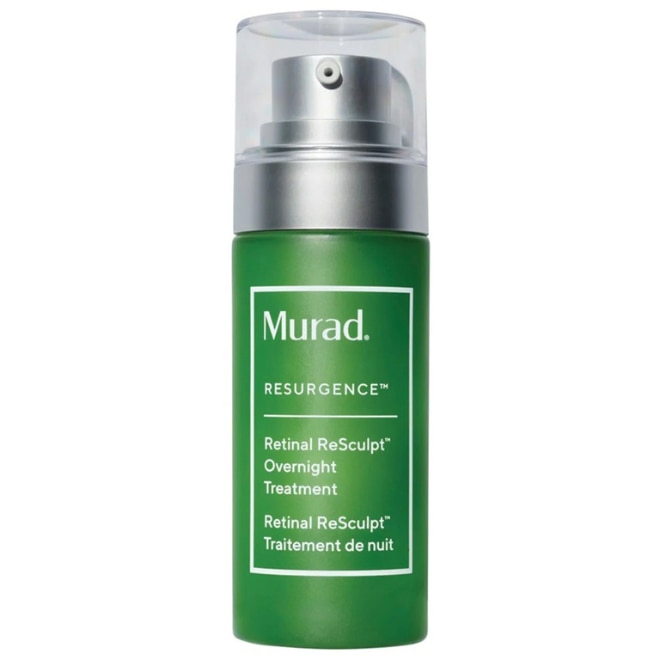
Murad Retinal ReSculpt Overnight Treatment, ₹10,250
Celimax The Vita-A Retinal Shot Tightening Booster, ₹2,199
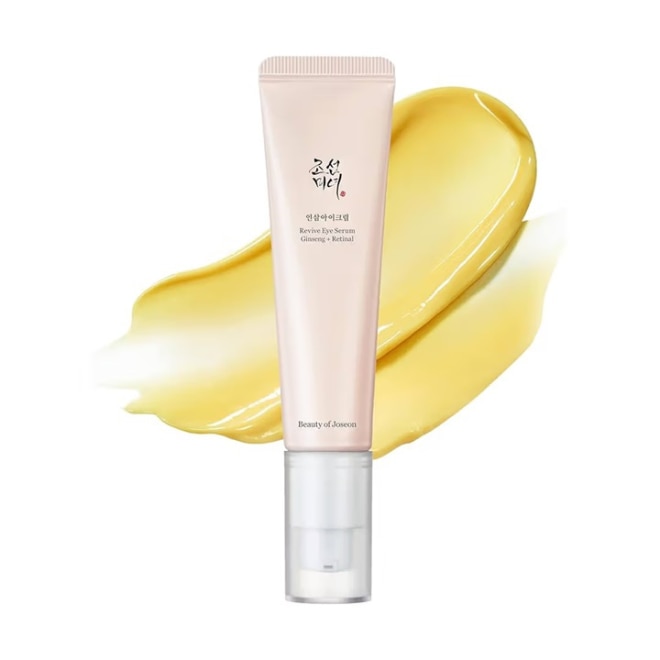
Beauty of Joseon Revive Eye Serum, ₹1,490
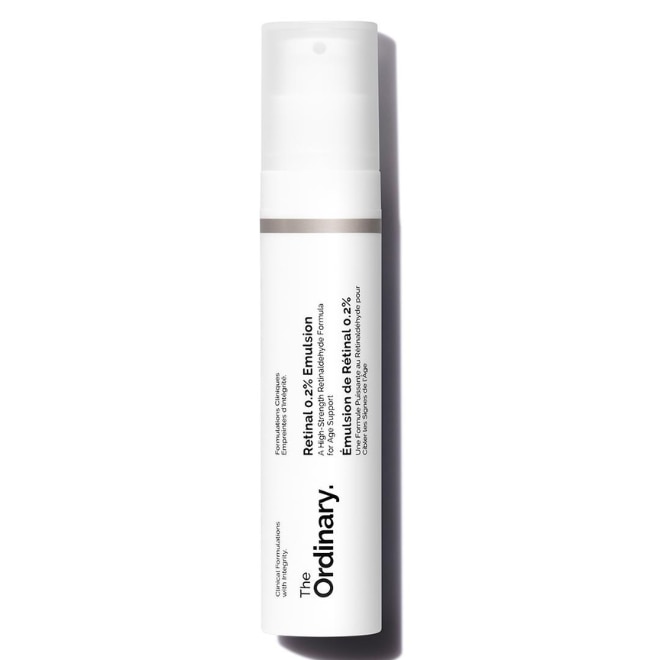
The Ordinary Retinal 0.2% Emulsion, ₹1,500
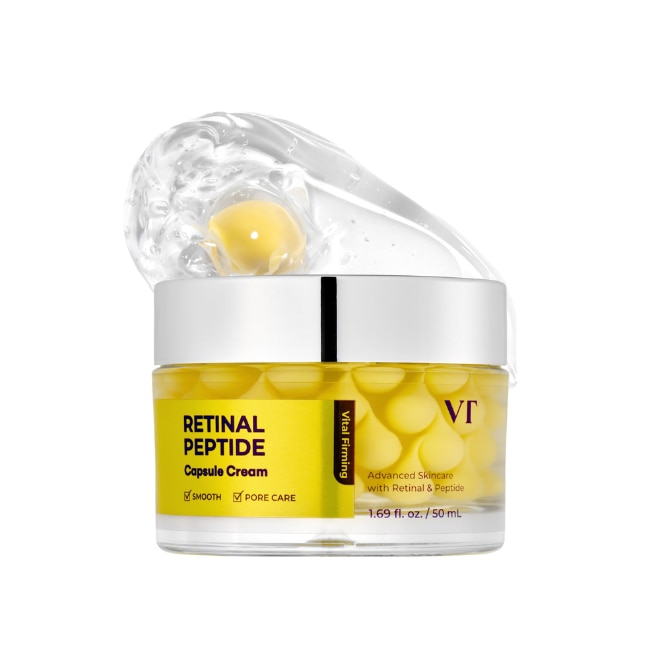
VT Cosmetics Peptide Retinal Capsule Cream, ₹2,299
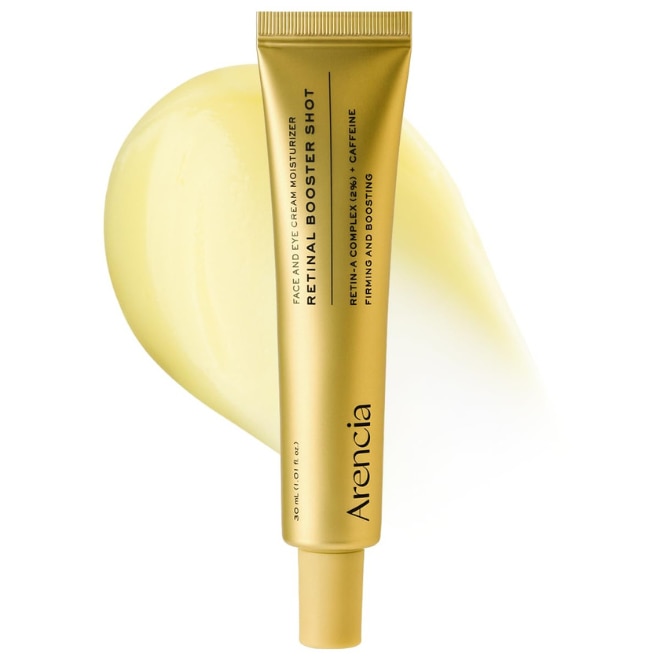
Arencia Retinal Booster Shot, ₹1,900
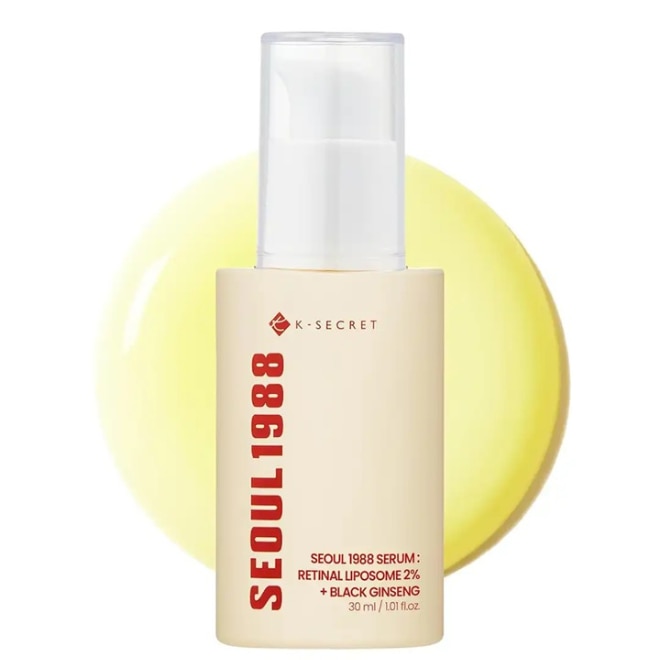
SEOUL 1988 Serum Retinal Liposome 2% + Black Ginseng, ₹2,100
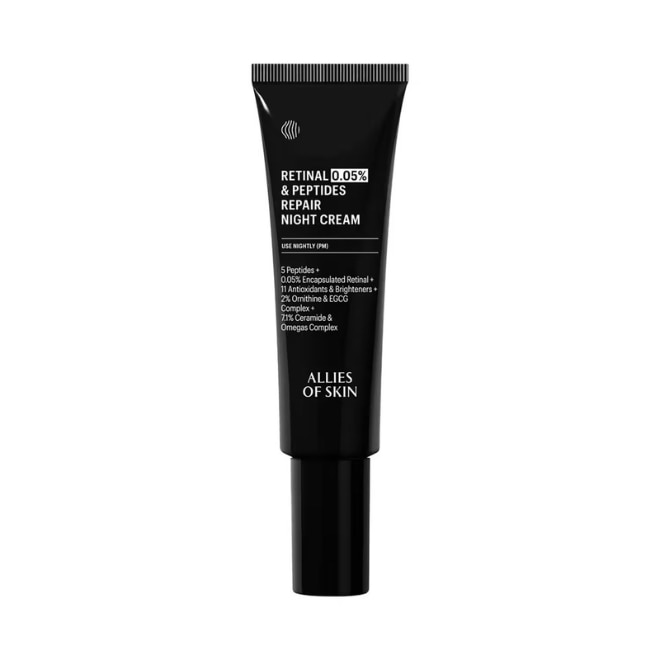
Allies Of Skin Retinal 0.05% & Peptides Repair Night Cream, ₹10,250
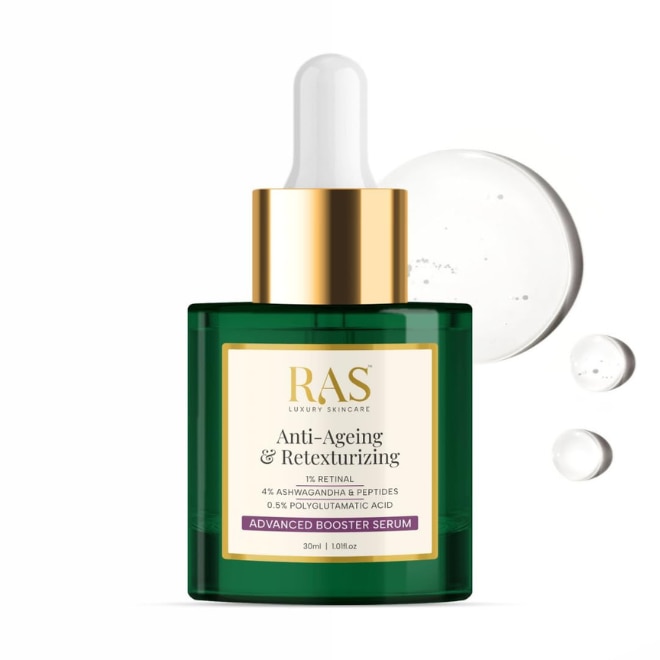
RAS Anti-Ageing & Retexturizing Advanced Booster Serum, ₹2,490
Lead image: Getty Images
Also read: Everyone is injecting peptides. But what do they even do?
Also read: The skincare devices worth investing in for firmer, brighter skin
ADVERTISEMENT
Must Read










ADVERTISEMENT