




ADVERTISEMENT
This August, the most beautiful way to travel across India is through a book
These remarkable reads travel through India's diverse cities, landscapes, cultures, and histories, revealing that every memory holds an inimitable world unto itself.


India has always resisted a singular narrative. It is a country best understood in fragments: the scent of pine after rain in Mussoorie, an ageing mansion in Kolkata, a pavement in Old Delhi lined with weathered paperbacks, or a medieval Rajput palace where devotion quietly rewrites destiny.
These books invite you into those worlds with extraordinary intimacy. Some are modern masterpieces, others enduring classics; one volume lets a hundred carefully chosen objects tell the story of a nation through art, craftsmanship, and everyday life. Together, they chart an India that is infinitely layered: its cuisines, folklore, landscapes, architecture, philosophies, rituals, and artistic traditions unfolding with remarkable specificity.
Temple towns and Himalayan forests, royal courts, bustling bazaars, and grand family homes all come together to reveal a different way of living, remembering, and belonging. The result is a literary itinerary that lingers long after the final page, revealing that the country's greatest story has never belonged to a single place, but to the countless voices, histories, and objects that continue to shape its cultural imagination.
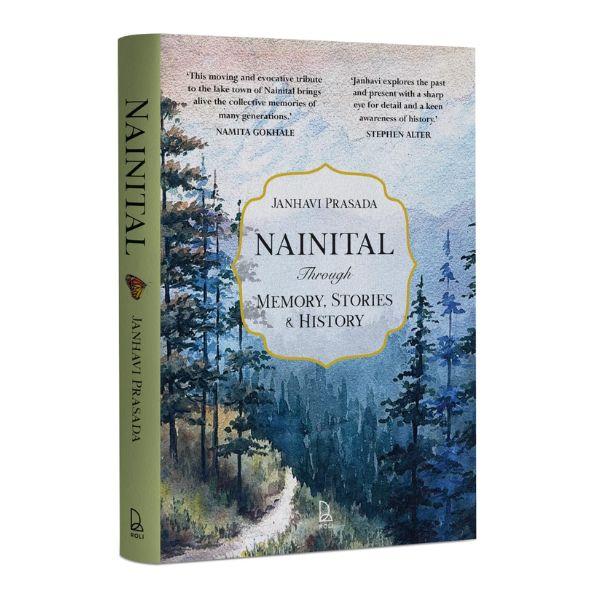
Nainital: Through Memory, Stories & History by Janhavi Prasada
More than a chronicle of a hill station, Janhavi Prasada's portrait of Nainital feels like being welcomed into a family home whose windows have watched nearly two centuries pass. Her writing moves effortlessly between archival history and intimate recollection, allowing the town's colonial origins, Kumaoni traditions and evolving identity to coexist rather than compete. We traverse with her through the Deodar forests, culinary cultures and romantic past with equal ease.
The familiar postcard image of emerald waters sets the tone for simple pleasures: the perfume of damp deodar forests after rain, winding pathways known only to locals, kitchens fragrant with regional delicacies, forgotten cottages wrapped in ivy, and generations whose memories have become inseparable from the lake itself. Digvijay Singh's illustrations lend the narrative the warmth of an old sketchbook discovered in an attic, making every page feel deeply lived in.
Rather than presenting Nainital as a destination, Prasada captures it as an inheritance; one passed down through stories, rituals, and landscapes that continue to shape those fortunate enough to call it home.
Scenes from the Magic Mountain: Five Seasons in the Mussoorie Hills and Beyond by Ruskin Bond
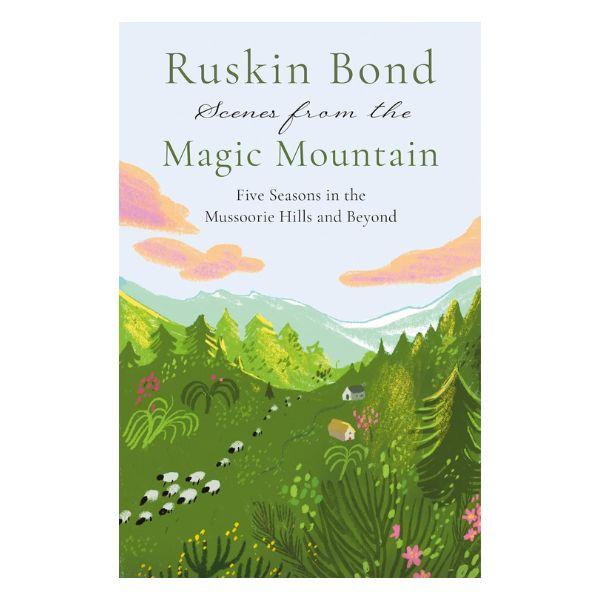
Few writers understand the Himalayas with the tenderness of Ruskin Bond, and this collection is perhaps his most lyrical meditation on the quiet rhythms that define mountain life. Here, Mussoorie is experienced not through sightseeing but through seasons: the first blush of rhododendrons in spring, monsoon clouds blanketing entire valleys, the amber stillness of autumn afternoons, and winters softened by snowfall and woodsmoke.
He notices every nuance. The hesitant flutter of birds returning after rain, the changing scent of cedar forests, the hush of empty pathways, neighbours exchanging greetings across garden walls, and old homes weathering the years are all given voice. His prose refuses spectacle in favour of observation, finding profound beauty in repetition and stillness.
Reading this collection feels remarkably similar to spending an unhurried afternoon on a shaded verandah overlooking the Doon Valley, where time slows enough for every drifting cloud, falling leaf and passing memory to acquire significance in its simplicity.
The Very Best of R.K. Narayan: Timeless Malgudi by R. K. Narayan
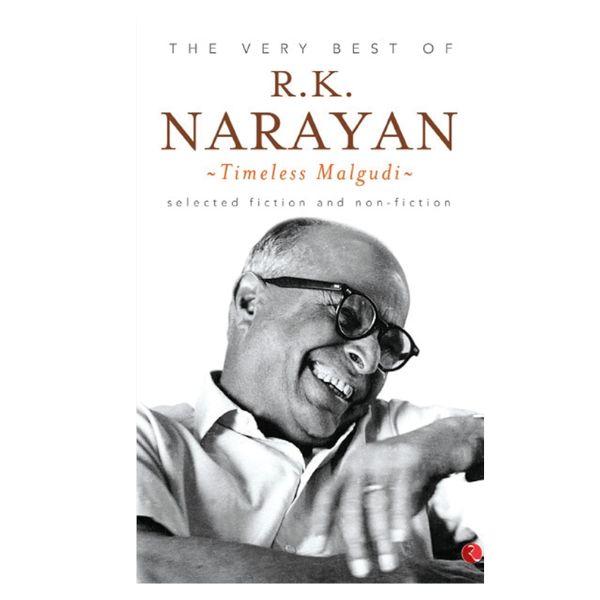
No fictional town has shaped India's literary imagination quite like Malgudi. Across decades of storytelling, R.K. Narayan transformed an ordinary South Indian settlement into one of literature's most enduring landscapes, populated by characters whose desires, flaws and humour feel astonishingly contemporary. The charm is undoubtedly this: every description of Malgudi could be true of any small town in South India, and the observations are rich, nuanced and universal in their understanding of human nature.
This carefully curated collection revisits his finest works, where schoolboys navigate childhood mischief, reluctant saints emerge from unlikely circumstances, printers dream beyond feasibility, and chance encounters take shape as profound revelations.
Yet Malgudi itself remains the greatest protagonist. Its bustling markets, railway platforms, modest homes, temples, and tea shops form the backdrop for stories that celebrate the extraordinary hidden within everyday life. Gentle wit, understated irony, and immense compassion run through every page, reminding readers that the smallest moments often reveal the deepest truths.
The Magnificent Ruins by Nayantara Roy
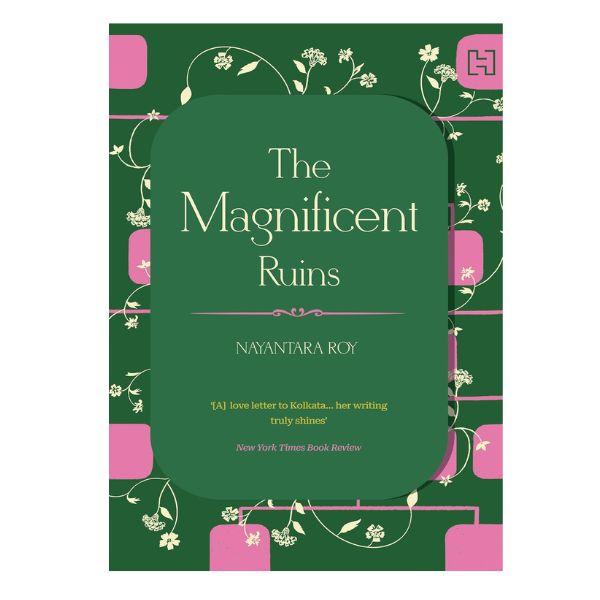
Kolkata has been the guardsman of preserving grandeur despite decay, and Nayantara Roy transforms that tension into prose. At the centre of the novel stands an ageing ancestral mansion whose crumbling walls seem to absorb generations of secrets, rivalries, and impossible expectations. As Lila returns from New York to claim an inheritance she never expected, the city slowly reveals itself through sprawling family affairs, inherited resentments, and neighbourhoods where history continues to pulsate beneath modern life.
Roy writes with remarkable richness about belonging: the complicated pull of home, the emotional architecture of old families, and the weight carried by inherited memory. The protagonist is self-centred, and the question arises: at what point do you stop placing the blame for your flaws on external situations and take the onus to change? The complexities are handled attentively, while Kolkata itself emerges as a city impossible to simplify: intellectual yet emotional, chaotic yet graceful, forever negotiating between reinvention and remembrance.
Queen Tara: Kali of Deccan by Medha Deshmukh Bhaskaran
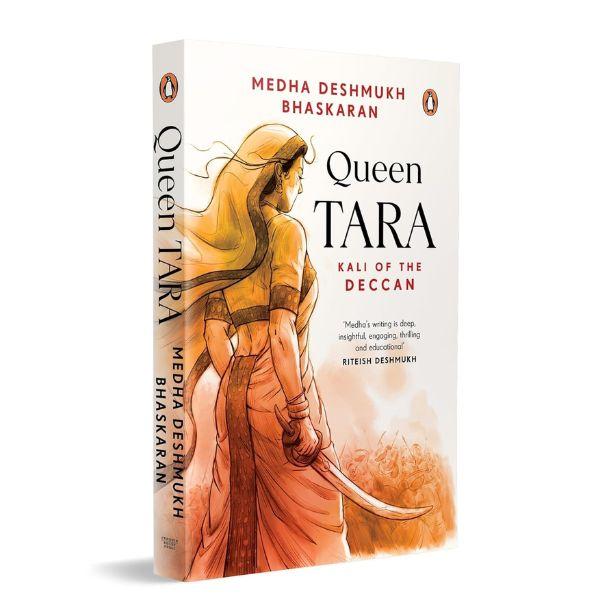
History often remembers empires through the men who built them, but this stirring novel restores one of the Deccan's most formidable women to the centre of the narrative. Queen Tara emerges not simply as a military strategist but as a leader whose resilience reshaped the course of Maratha resistance during one of the subcontinent's most turbulent eras.
The rugged geography of the Sahyadris becomes as vital as the characters themselves. Its formidable forts, dense forests, hidden mountain passes and windswept plateaus form an extension of Tara's own indomitable spirit. The novel vividly recreates the martial traditions, political intelligence, and cultural pride of the Deccan while exploring how courage is sustained not merely through warfare but through conviction, ingenuity, and collective memory. Rich in atmosphere and historical detail, it celebrates a landscape where every fortress, valley, and river bears witness to a story of extraordinary endurance.
Everything the Light Touches by Janice Pariat

Janice Pariat's ambitious novel unfolds like an intricate botanical map whose roots stretch across continents and centuries before converging in India's Northeast. Science, philosophy, ecology, and human longing intertwine with remarkable grace as botanists, travellers, and seekers move through sacred forests, Himalayan valleys and distant European landscapes, each attempting to understand the world in profoundly different ways.
Yet it is Pariat's evocation of the Eastern Himalayas that lingers longest. Ancient forests pulse with unseen life, indigenous knowledge systems challenge inherited ideas of progress, and landscapes become living archives rather than scenery. Plants, stones, rivers, and mountains are granted as much agency as the people who encounter them, inviting readers to rethink humanity's relationship with the natural world. Expansive yet intimate, this is a novel that asks readers not simply to observe nature but to inhabit it.
Meera, Sanga and Mewar by Jyoti Jafa
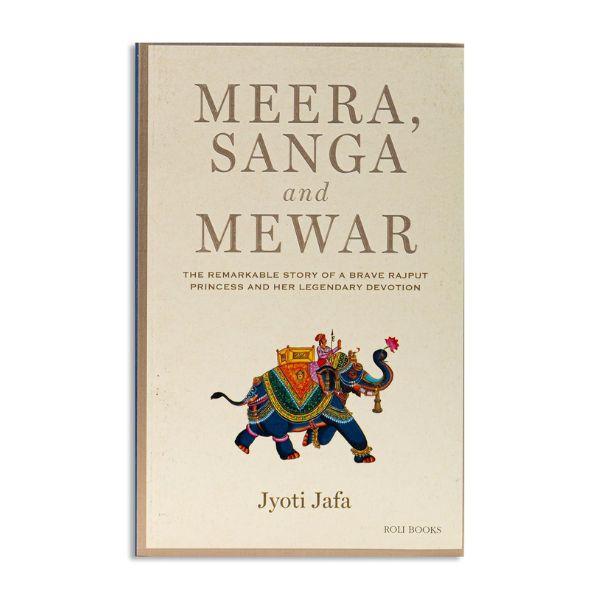
Jyoti Jafa reimagines one of India's most beloved mystic poets through the splendour and contradictions of sixteenth-century Mewar. Meera Bai's spiritual devotion to Krishna remains the emotional heart of the novel, and the story also offers an immersive portrait of Rajput courtly life: its elaborate customs, warrior ethos, intricate family loyalties, and ceremonial grandeur.
Marble palaces glow beneath desert light, temple bells echo through sandstone courtyards, embroidered textiles shimmer beside polished armour, and devotional songs rise above the political tensions shaping an empire. Against this richly textured backdrop, Meera's quiet spiritual rebellion becomes all the more extraordinary.
Rather than presenting faith as withdrawal, the novel frames devotion as an act of profound courage, allowing the physical beauty of Rajasthan and the metaphysical pull of divine love to exist in constant dialogue. The result is an elegant meditation on power, identity and transcendence, steeped in the cultural memory of one of India's most storied kingdoms.
The Sunday Book Bazaar: Daryaganj and the Making of a Reading Public in Delhi by Kanupriya Dhingra
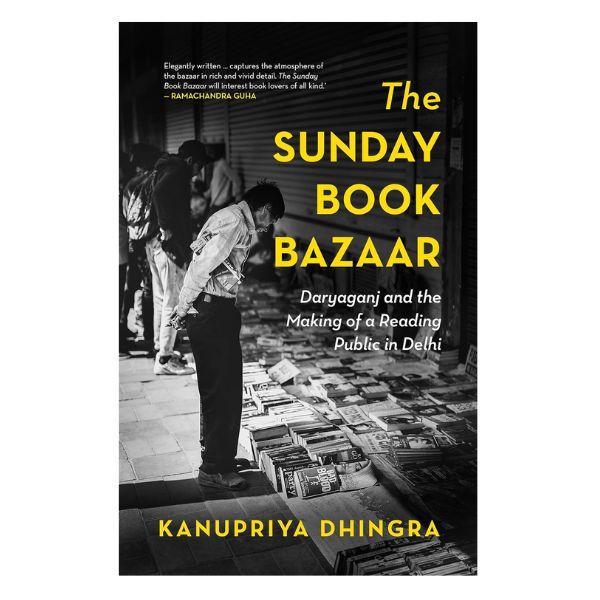
Long before curated bookstores and literary festivals became markers of urban culture, Delhi's most democratic reading room unfolded every Sunday beneath the open sky. Kanupriya Dhingra's affectionate history resurrects the legendary Daryaganj Book Bazaar in all its glorious disorder, where towering stacks of dog-eared novels, yellowing magazines, rare first editions, and well-thumbed textbooks transformed ordinary pavements into treasure hunts.
Yet this is far more than a history of second-hand books. It is an evocative portrait of the city itself: of migrant booksellers who built livelihoods from discarded libraries, students searching for knowledge, collectors chasing forgotten editions and families for whom browsing became a cherished weekly ritual.
Through meticulous research and deeply personal reflection, Dhingra captures the sensory richness of the market: paper warmed by the afternoon sun, the satisfying rustle of ageing pages, spirited negotiations between strangers and the exhilarating possibility that the next pile might contain an unexpected masterpiece. In celebrating one of Delhi's most beloved public spaces, she also reminds us that cities are ultimately remembered not only through monuments, but through the communities that gather around stories.
India: A Story Through 100 Objects by Vidya Dehejia
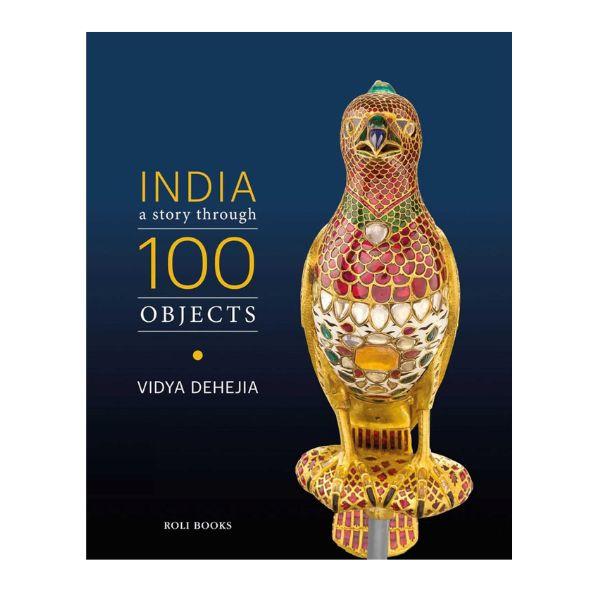
Rather than recounting India's past through dynasties and dates, celebrated art historian Vidya Dehejia invites readers to discover the nation through the objects it has cherished, crafted, and carried across centuries. Lavishly illustrated and thoughtfully curated, this elegant coffee-table volume assembles one hundred remarkable artefacts, from exquisite bronze deities and intricately carved temple sculptures to gemstone-inlaid rosewater sprinklers, miniature paintings, ceremonial ornaments, and everyday objects elevated by extraordinary craftsmanship. Together, they reveal how beauty, belief and utility have long existed in seamless conversation across the subcontinent.
Organised thematically rather than chronologically, the book encourages a more intimate encounter with history, where every object becomes both witness and storyteller. A Chola bronze speaks of devotion and artistic mastery; objects from a royal court reflect shifting ideas of luxury and patronage; a painted manuscript or carved sculpture captures the philosophies, rituals, and aesthetics that shaped entire civilisations.
Dehejia deftly blurs the line between history and storytelling, demonstrating that objects often preserve emotional truths that conventional historical narratives leave behind. Complete with an illustrated timeline that places these treasures within India's vast historical continuum, India: A Story Through 100 Objects offers another reminder that India's cultural identity has always been fashioned not only through monuments and empires, but through the artistry of the things its people imagined, made, and treasured.
MUMBAI: A Journey Through Its Kitchens, Streets, and Stories
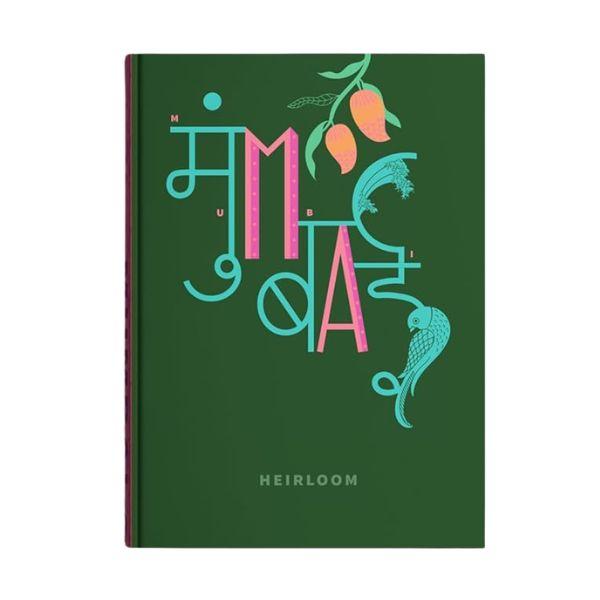
More than a celebration of recipes, MUMBAI: A Journey Through Its Kitchens, Streets, and Stories reads like an intimate portrait of a city told through its appetite. Conceived by Rushina Munshaw Ghildiyal and published by independent imprint Heirloom Cities, the lavishly produced volume brings together chefs, food historians, and writers to uncover the many culinary identities that coexist across India's financial capital. The result is a richly layered narrative where personal memories sit alongside neighbourhood histories, community traditions and the evolving food cultures shaped by centuries of migration. Every neighbourhood carries its own culinary rhythm and history, from family-run kitchens and century-old eateries where recipes have been treasured across generations to the irresistible crunch of a just-fried batata vada and bustling Irani cafés.
MUMBAI: A Journey Through Its Kitchens, Streets, and Stories goes far beyond the conventions of a cookbook, offering instead a richly layered portrait of the city through the flavours, communities and traditions that define it. Markets overflowing with fragrant spices, fisherwomen returning with the morning's catch, bustling street-food stalls, home kitchens fragrant with slow-simmering curries and festive tables shaped by the city's many communities come together to create an intimate portrait of India's most cosmopolitan metropolis.
Equal parts culinary archive, travel companion, and cultural narrative, the book captures Mumbai in all its glorious contradictions: fast-paced yet deeply rooted, endlessly evolving yet fiercely protective of its traditions. As much a visual keepsake as a cultural document, this is the kind of coffee-table book where every recipe, anecdote and neighbourhood becomes another chapter in the story of a city whose identity has always been shaped around the table, where countless cultures meet, mingle and leave behind flavours that are unmistakably its own.
Lead image: Getty Images
Also read: The best books to read this July, based on your mood
Also read: The July beauty edit: Little luxuries worth indulging in
ADVERTISEMENT
Must Read










ADVERTISEMENT