




ADVERTISEMENT
Is beta-glucan the unsung hero of skin barrier repair?
When actives and environmental stressors push the skin too far, beta-glucan steps in as a quiet, calming corrective.


Since the rise of potent actives and frequent exfoliation, has your skin started showing signs of fatigue in the form of inflammation, sensitivity, or a compromised barrier? Fortunately, skincare is now moving towards more simplified routines, with a renewed focus on barrier health, restoration, and building resilience. Gone are the days of 20-step regimens and peel after peel. Even dermatologists swear by a modest routine comprising a gentle face cleanser, a good hydrating moisturiser, a sunscreen with appropriate SPF, and targeted actives only when needed.
There’s now a growing interest in ingredients that help fortify and strengthen the skin—such as niacinamide, hyaluronic acid, ceramides, peptides, and more—rather than ones that overstimulate it. Another such up-and-coming ingredient is beta-glucan that is quickly gaining attention in skincare, and has caught ours too!
Beta testing
So, why is this ingredient becoming popular and fast? We spoke to skin expert Dr Geeta Fazalbhoy, dermatologist and founder of Skin & You Clinic who says, “Unlike trend-driven actives that promise dramatic transformations, beta-glucan works subtly, by restoring balance. This makes it particularly relevant in today’s landscape of sensitised, reactive skin. It doesn’t chase trends; it restores equilibrium, which is why formulators are turning to it now.”
But where does beta-glucan come from, and how does it work? Beta-glucan is a naturally occurring polysaccharide, derived most commonly from oats, but also yeast, mushrooms and seaweed. Dermatologically, it’s valued for its ability to calm inflammation, reinforce the skin barrier and hold on to moisture without causing irritation.
Dr Fazalbhoy adds that beta-glucan works by reinforcing the skin’s natural defence system. It forms a light protective film on the surface that limits transepidermal water loss (TEWL), while also supporting cellular repair beneath. “On a biological level, it encourages fibroblast activity, the cells responsible for collagen and elastin production, which strengthens the skin’s structure over time. The result is skin that feels calmer, stronger and less reactive.”
Beta-glucan: HA’s smarter cousin?
This ingredient is also being likened to hyaluronic acid, so how does it compare? “Much of the conversation around beta-glucan centres on hydration, which is why it is often compared to hyaluronic acid,” points out Dr Fazalbhoy.
She emphasises that while both ingredients support moisture levels, their roles differ. “Hyaluronic acid provides immediate surface hydration, while beta-glucan hydrates more gradually, while simultaneously strengthening the skin barrier and reducing inflammation. If hyaluronic acid is a quick drink of water, beta-glucan teaches the skin how to retain it.” In fact, rather than competing, the two complement each other and work best when used together. The result is hydration that is both immediate and long-lasting, without compromising skin comfort.
Getting to know it ‘beta’
We’re happy to report that beta-glucan works well for those with irritated, inflamed, sensitive, rosacea- and eczema-prone skin, as well as anyone dealing with a compromised skin barrier. Normal and dry skin types too, benefit from beta-glucan’s reparative and calming properties. It is also suited for those dealing with extreme climates, or frequent in-clinic treatments and procedures.
Those dealing with oily or acne-prone skin looking to heal their skin barrier too, can reach for beta-glucan products, but Dr Fazalbhoy points out that the key consideration lies in formulation. Those with oily or acne-prone skin should opt for lightweight textures rather than rich, occlusive creams.
From a safety perspective, she says, beta-glucan is one of the most well-tolerated barrier-supporting ingredients available. “Cosmetic-grade beta-glucan is highly purified, and oat-derived beta-glucan is considered the gold standard for sensitive skin. It actively reduces redness and irritation rather than provoking it. The only precaution applies to individuals with a known oat allergy, in which case patch testing is recommended.”
A closer look
Now this isn’t to say that opting for beta-glucan means giving up the actives in your routine. On the contrary, this wonder ingredient integrates seamlessly into active-led routines. It can be used alongside vitamin C or retinol even, acting as a buffer to reduce dryness, redness or irritation without affecting efficacy of these actives. “Applied after lighter actives and before moisturiser, it also helps make long-term use of stronger ingredients more tolerable,” says Dr Fazalbhoy.
If, like us, you’re wondering what concentration of beta-glucan to look for in a product, she explains, “For visible results, formulations containing between 0.5% and 2% beta-glucan are ideal, particularly in serums or essences where the ingredient can work directly on the skin.” She adds that higher concentrations don’t necessarily deliver better outcomes, and the overall formulation balance is far more important than numbers alone.
“Ultimately, beta-glucan is an ingredient that works quietly in the background—dependable, reparative and subtly transformative. In a time when skin is increasingly reactive, it offers stability, allowing the skin to heal, recalibrate and function as it should,” says Dr Fazalbhoy.
As routines simplify and skin calls for gentler care, beta-glucan emerges as a steady, science-backed ally, and when it comes to barrier repair, it may just be skincare’s most understated hero.
6 products you can try that contain beta-glucan
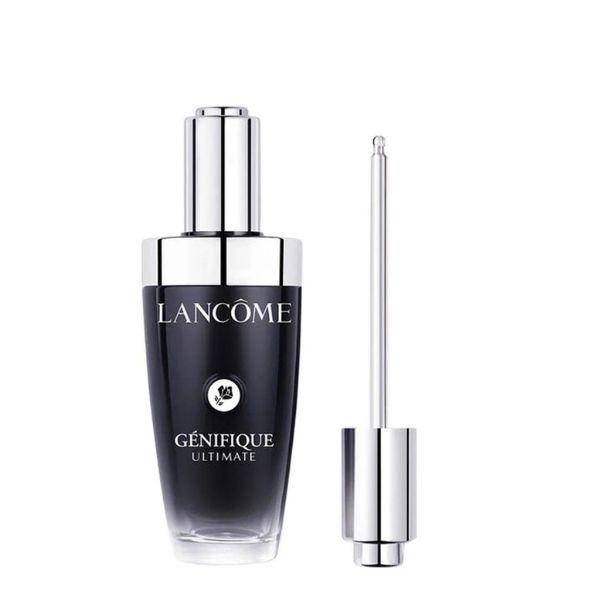
Lancôme Génifique Ultimate Serum, ₹3,999
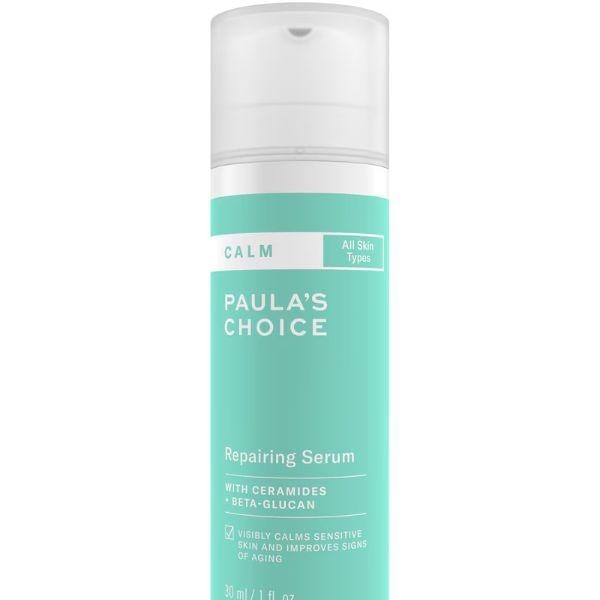
Paula’s Choice Calm Repairing Serum, ₹4,500 approx.
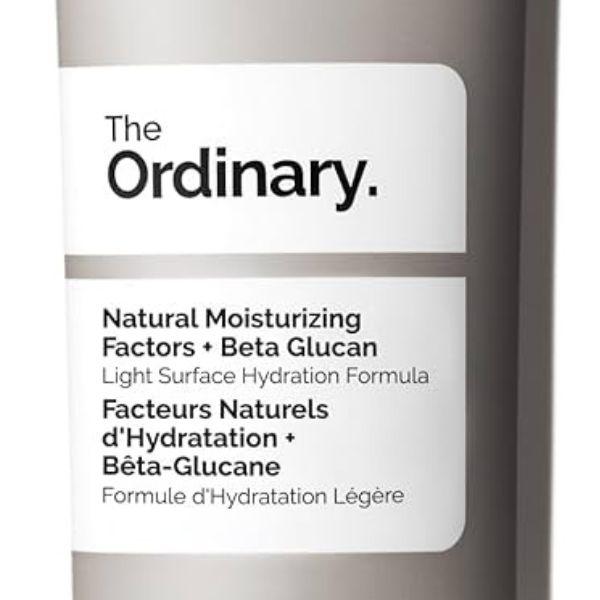
The Ordinary’s Natural Moisturizing Factors + Beta Glucan, ₹1,450
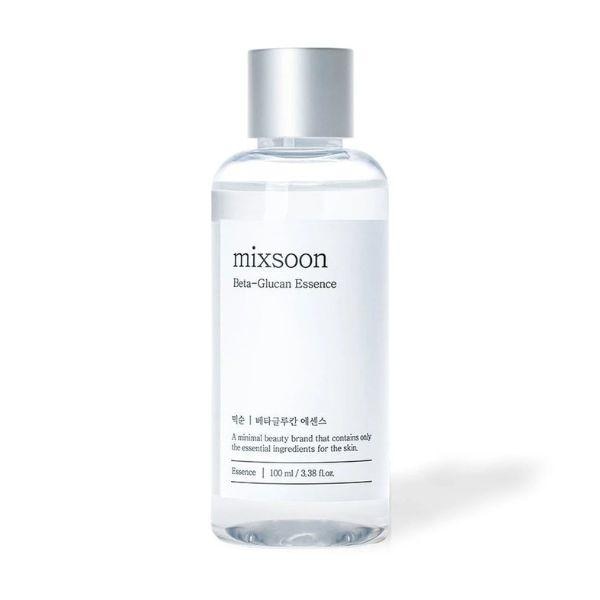
Mixsoon Beta-Glucan Essence, ₹3,499
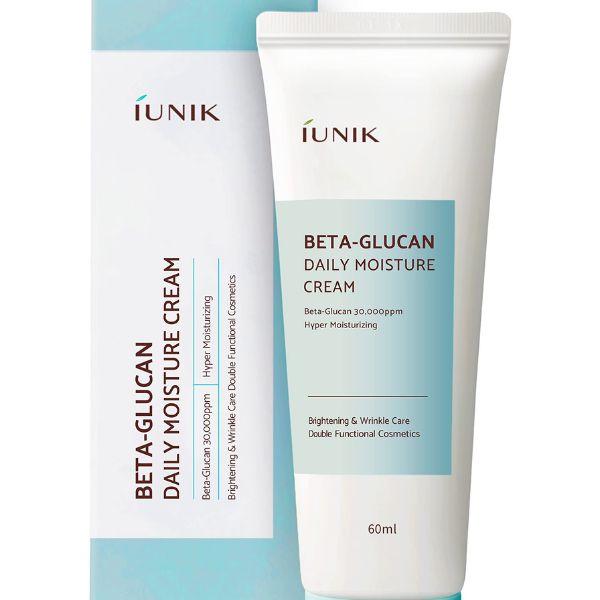
iUNIK Beta Glucan Daily Moisture Cream, ₹1,450
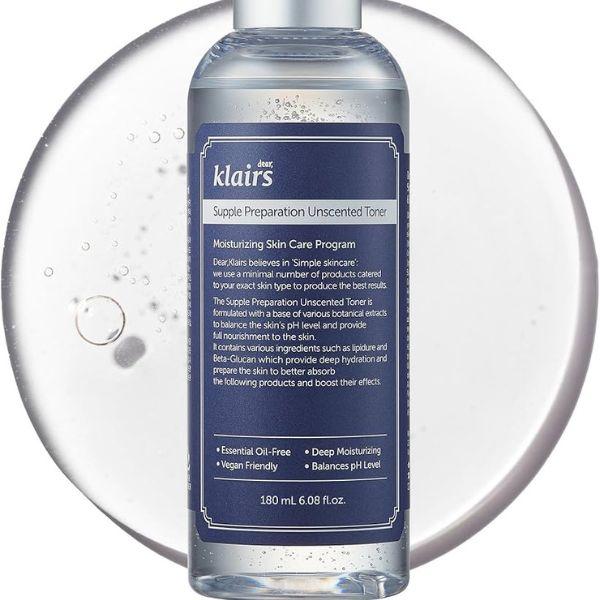
Klairs Supple Preparation Unscented Toner, ₹1,430
Lead image: Pexels
Also Read: Powder, politics, and the art of being seen: Is makeup a tool of visibility or control?
Also Read: Want a rich girl’s smile? Here are five dental habits experts swear by
ADVERTISEMENT
Must Read








ADVERTISEMENT