




ADVERTISEMENT
Powder, politics, and the art of being seen: Is makeup a tool of visibility or control?
A look at how makeup has historically shaped the negotiation of power, perception, and authority for women in public life.

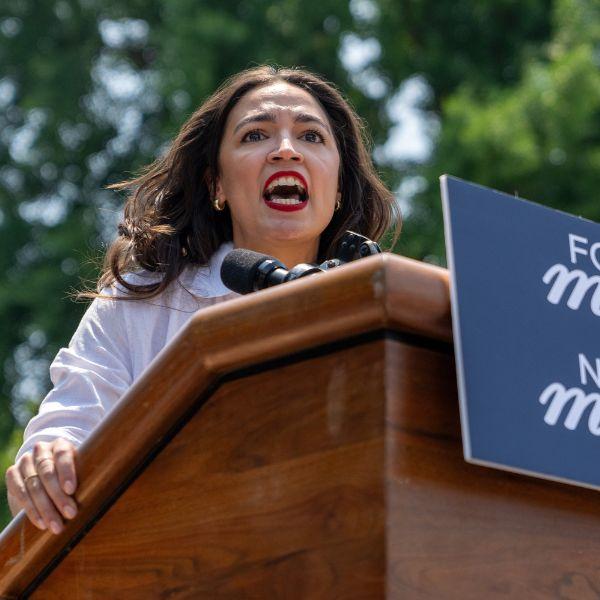
A woman steps into public life and, before she says a word, her face is already mid-debate. The internet is voting. The cameras are zooming. Somewhere, someone is wondering if she looks “too tired” to lead, or worse, “too polished” to be trusted. Democracy, apparently, is a close-up sport.
Makeup, particularly for women in public life, has never been a decoration. It has functioned as a tactic, a signal, and sometimes as quiet defiance. While men are allowed the luxury of neutrality, women are asked to perform coherence: their face must align with authority, ambition, empathy, and likability, often all at once. Powder, it turns out, is part of the negotiation.
When Lipstick Learned to Speak
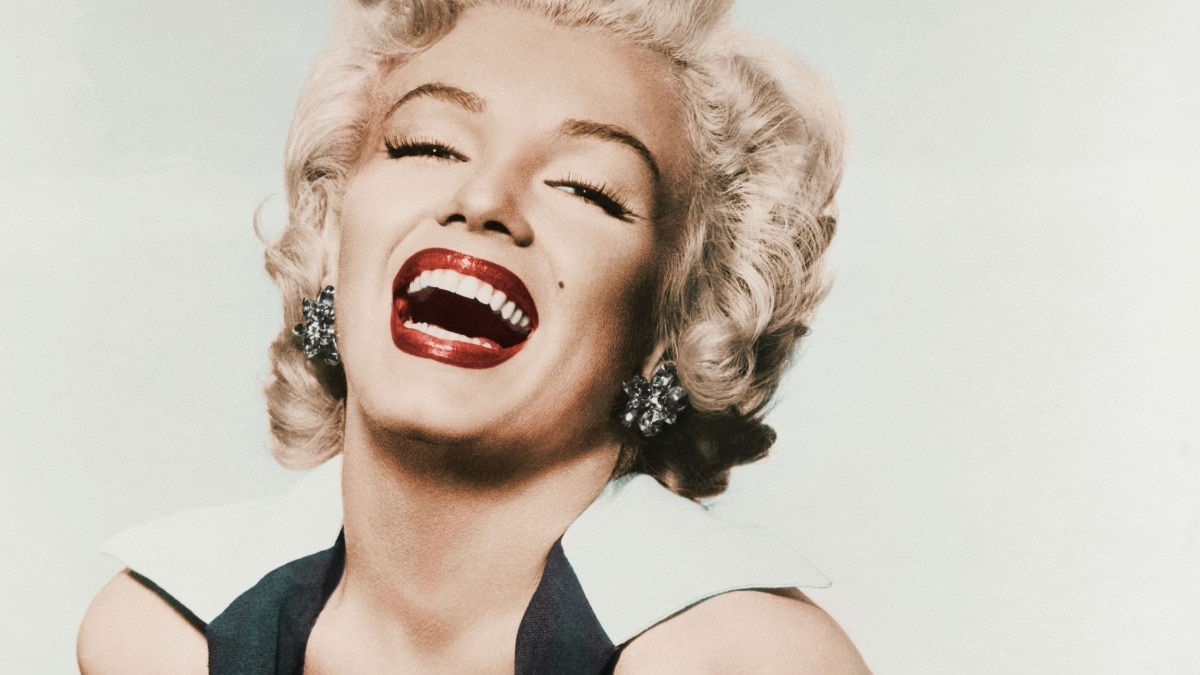
Historically, women learned early that faces could speak when voices were ignored. Suffragettes wore red lipstick not because it was flattering, but because it was loud. In an era that preferred women to be discreet and decorative, colour became confrontation. You could argue with their politics, but you couldn’t pretend they weren’t there.
Fast-forward a century, and the logic hasn’t changed, only the resolution has. HD cameras, social media loops, and freeze-frame culture mean a woman’s face is now a recurring character. A twitch becomes a headline. A shine becomes a metaphor. A lipstick choice becomes a personality trait. The goal is simple: don’t let your face become the story. Which, of course, is easier said than done when your face is always the story.
Pop Culture Didn’t Invent This, It Just Told the Truth

Cinema has always understood the moment before. The mirror. The steadying breath. The lipstick is applied with intent before a woman steps into conflict. These scenes aren’t about glamour. They’re about readiness.
We’ve been taught to read these moments instinctively. A woman fixing her face before battle isn’t vain. She’s preparing to be seen. The audience understands this. Politics just borrowed the language. Calling this empowering misses the point. Calling it shallow misses the reality. It’s neither. It’s adaptive behaviour in a system that demands women manage perception as part of the job description.
So What Are We Really Looking At?
Not eyeliner. Not lipstick. Not even beauty. We’re watching how women are taught to enter spaces that weren’t built for them; how they learn to calibrate presence and seriousness in environments that still treat neutrality as a male privilege. Powder shows up because the gaze does. Politics follows.
And that’s the art of being seen: knowing the gaze will arrive anyway, and stepping into it with eyes open.
All Images: Getty
Also Read: Bronzers that give you golden-hour skin, all day long
Also Read: Besides Prada's ‘chai’ perfume, here are 10 iconic Indian fragrances ruling the world
ADVERTISEMENT
Must Read

ADVERTISEMENT