





ADVERTISEMENT
'Hydrostretch Therapy' is the latest in-clinic innovation to look out for
Intense hydration, zero downtime.

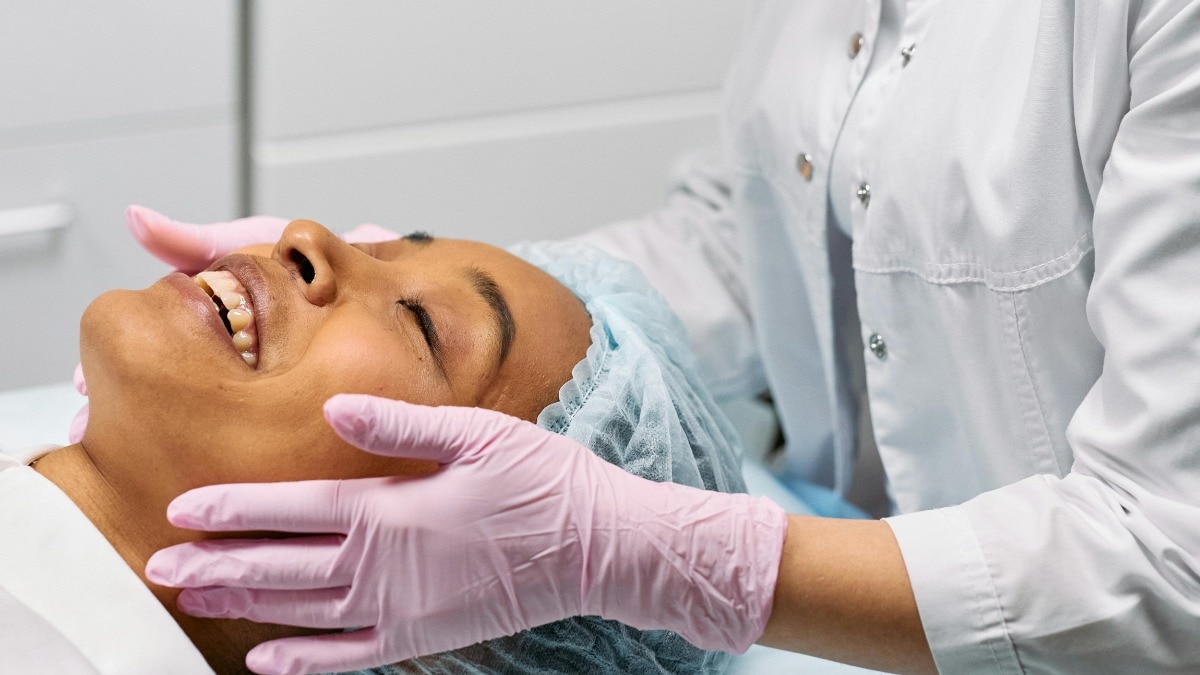
Anyone with a remotely intricate skincare routine will tell you that hydration is the linchpin to healthy skin. The moment your skin experiences moisture loss, it unravels Pandora’s box of issues, ranging from breakouts to the appearance of fine lines and wrinkles. And that’s where dermatology’s latest craze, 'Hydrostretch Therapy', comes in. This in-clinic treatment offers intense skin hydration and boosts skin elasticity—but what makes it such a standout therapy, the experts dive in.
What Is It?
“Hydrostretch therapy is a minimally invasive, in-clinic treatment designed to improve skin hydration and elasticity,” says Manasi Shirolikar, consultant dermatologist and founder, drmanasiskin.com. “Most protocols involve delivering a stabilised hyaluronic acid (HA) into the dermis using specialised techniques.” Unlike fillers, the focus of the treatment, however, is not volumisation but skin quality, targeting hydration, texture, and elasticity without altering facial contours.
The treatment has recently gained popularity for several reasons, including growing awareness and concern around the ‘frozen’ look and a rising hesitation toward traditional filler treatments. Patients are increasingly drawn to its ability to deliver natural-looking results and radiant skin. Advances in HA technology have also played a key role, with stabilised, biocompatible gels now offering both deep hydration and regenerative benefits. These factors make hydrostretch therapy an appealing option for those seeking subtle, natural rejuvenation.
The Procedure
Think of it as a hydration therapy through which dermatologists provide intensive moisture to the skin from within. “The conventional treatment is done by injecting non-crosslinked hyaluronic acid in the skin layers,” explains Dr Madhuri Agarwal, founder and medical director, YAVANA Skin & Hair Clinic. “In-clinic, we also generally incorporate a blend of ingredients such as hyaluronic acid, vitamins, minerals, and amino acids administered through microinjections or delivery systems like MNRF or mesopen and other plasma or laser devices.”
When injected into the dermis, hyaluronic acid (HA) stimulates fibroblasts, triggering increased production of collagen, elastin, and other extracellular matrix components that strengthen and support the skin. This targeted delivery ensures essential ingredients reach the deeper layers, enhancing skin rejuvenation from within. Additionally, the subtle mechanical stretching of fine lines—especially around the mouth and eyes—further signals fibroblasts to remodel tissue, improving firmness, elasticity, and overall skin texture.
The Benefits
It’s in the name — hydration! Hydrostretch therapy delivers intense hydration and barrier repair that topical products are unable to do. It is able to immediately plump the skin and provide deeper hydration. “Patients see brighter and firmer skin in a few days with less noticeable fine lines. The hydration therapy helps fine lines around the mouth and under eye areas, while improving skin texture and elasticity,” claims Dr Agarwal.
“It restores a youthful appearance and glow even in patients at later ages. I often use it in patients whose skin is often subjected to pollution and air conditioning.”
The treatment is best suited for patients with dry and dehydrated, or photo-aged skin; especially those noticing early loss of elasticity or patients seeking skin quality improvement without volumising effects. Dr Shirolikar, however, warns that it may be less suitable for those with oily or acne-prone skin, although Dr Agarwal does believe that it may strengthen the skin barrier in those skin types.
It is, however, not recommended during pregnancy, breastfeeding, in the presence of active acne, or for individuals with certain autoimmune conditions.
Not An Injectable Moisturiser
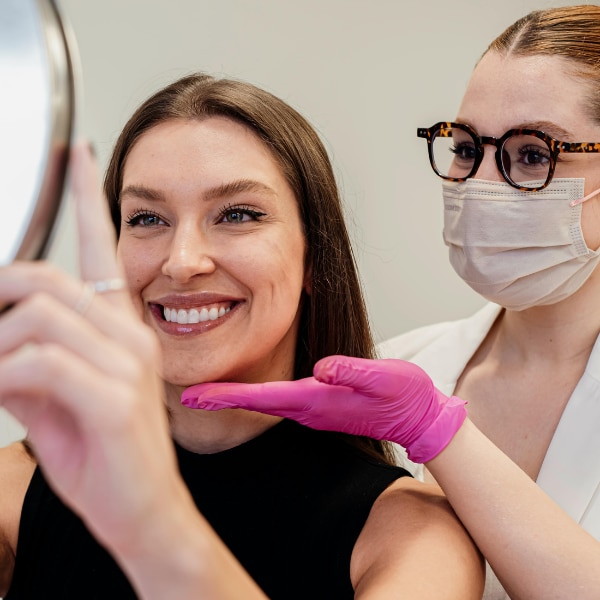
Hydrostretch therapy is often compared to injectable moisturisers or ‘skin boosters’, however, they are significantly different. According to Dr Shirolikar, hydrostretch formulations are softer, more fluid, and spread more uniformly across dermal layers. “They are closer to skin rejuvenation treatments like lasers or microneedling, aiming for improved skin quality rather than volume.”
Additionally, Dr Agarwal notes that while some skin boosters contain only pure hyaluronic acid, hydration therapy typically involves a more comprehensive approach. It combines multiple protocols and additional ingredients such as amino acids, copper peptides, glutathione, vitamin C, and growth factors, alongside HA to enhance skin health, hydration, and repair on a deeper level.
“Injectable moisturisers are intended to hydrate the skin and also improve the texture and reduce skin dehydration. Hydration therapy also helps the skin to retain moisture and regenerate the damaged and incompetent skin tissues,” says Dr Agarwal.
The Potential Side Effects
While this treatment is generally well-tolerated across a range of skin types and concerns, and is considered a nearly painless procedure with no downtime, it is not entirely without risk. Potential side effects may include mild and temporary redness, erythema, swelling, or bruising at the injection sites, which typically resolve within 24 to 48 hours.
“We advise patients to plan the treatments not too close to important events. At times, some patients can experience bruising and an allergic reaction to one of the ingredients. That is why a thorough consultation with a board-certified dermatologist is crucial,” advises Dr Agarwal.
All images: Pexels
Also read: Oil-infused hair serums that give your locks the glossiest makeover
Also read: The winter dry scalp reset your hair needs right now!
ADVERTISEMENT
Must Read










ADVERTISEMENT