


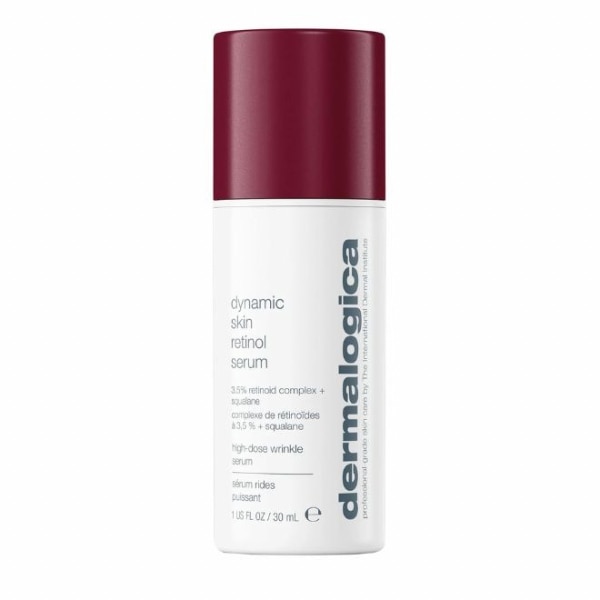


ADVERTISEMENT
From retinol to tretinoin, a guide to the modern retinoid landscape
A prescription-led powerhouse becomes the poster child of modern skincare.

If the internet charged a fee for every time I posed would cost me a bomb. Not many skincare ingredients have sent me down as many rabbit holes as retinoids have. From that first nickel-sized amount on my palm, the dry patches the next morning, to the endless expert opinions and research—my introduction to the retinoid family has been a rather intimidating one. But when has that ever stopped a skincare enthusiast from investigating further?
Popularly considered the gold standard in skin renewal, the retinoid family holds not one but many claims to fame—from treating acne and pigmentation to softening fine lines and improving skin texture, it has quite the portfolio. Now, retinoids seem to be entering a new era—the once-daunting and prescription-led ingredient is getting more approachable than ever.
Tracing the roots
Cystic acne led me to jump on the retinoid bandwagon through a cautious, prescribed application of 0.1 per cent retinol serum. Like many first-time users, I assumed I was entering the world of a singular ingredient, only to later discover a much larger family tree. An umbrella of vitamin A derivatives—Retinol, retinal, retinyl esters, adapalene, tretinoin and more, each differing in strength and function. “There are retinoids that we can eat which are used for severe acne,” says Vasudhai Rai, author and beauty expert, as she takes us through the expansive family tree. “Then there are the retinoids that can be applied, the granactive retinoid, and the super gentle but ineffective ones. Then there are retinol esters, retinal, followed by retinol that is used in peels, like the yellow peels, so there are retinoids for everything.”
What makes navigating this extensive list particularly challenging is that the ‘best’ retinoid is rarely universal. What might be the Holy Grail for one might be too aggressive for the other. According to Dr Dhanraj Chavan, Consultant Dermatologist, ClearSkin Clinics & HairMD, Pune, the choice depends on what the skin problem is, how sensitive your skin can be, and how much time you have for recovery. “If someone is in their mid-twenties and wants to prevent future concerns and improve skin texture, I usually recommend retinol or retinaldehyde. Both convert into retinoic acid in the skin, but they tend to be gentler. I like using adapalene for acne, especially for whiteheads or hormonally driven bumps, because there are many studies on it, and it can now be obtained without a prescription. Tretinoin, however, remains the gold standard for photoageing and more persistent forms of acne,” says Dr Chavan.
Road to renewal
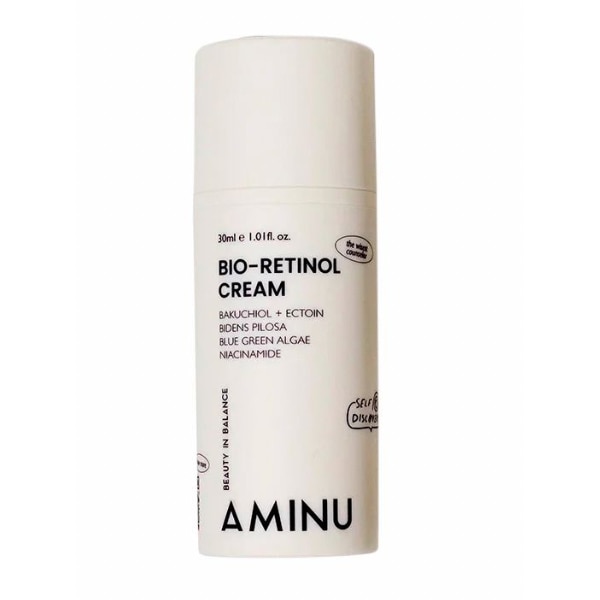
While these distinctions still reign supreme on dermatological charts, the retinoid landscape itself is entering a new chapter. One that is gentler, demands fewer compromises, focuses more on comfort than potency—making the ingredient easier to integrate into everyday routines than ever before. “The major factor behind the rise of retinoids has been the growing emphasis on preventive skincare,” believes Dr Jaishree Sharad, Celebrity Cosmetologist. She also thinks that accessibility has a lot to do with this dramatic shift.
Just like any other ingredient, retinoids have benefited from years of rigorous processes and clinical trials. And yet according to Rai, the evolution isn’t necessarily in the ingredient itself. “Profile is pretty much the same. But the formulations have changed. We are getting smarter formulations, smarter encapsulation, and smarter combinations,” she explains.
“So, I don’t think it’s the retinoid itself that is getting smarter, but the formulations and encapsulations around it.”
Dr Chavan agrees. “Now there are special retinols that are protected inside tiny capsules, slow-release types, and gentle creams or gels. This means people can use them for a long time and still avoid the usual irritation,” he says. This shift indicates that the way we use retinoids has moved from just fixing skin issues to stopping them from happening.
Smarter skin
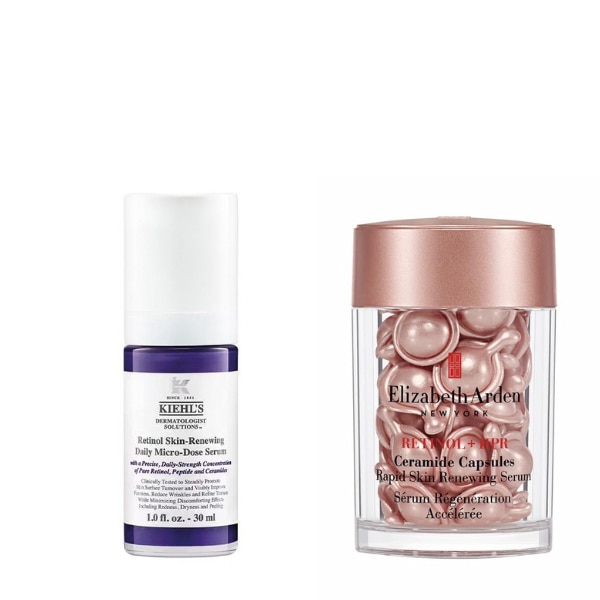
As we speak of the shift, it is the younger generation that is driving much of the conversation. Retinoids today are finding a place in skincare routines much earlier than before. “People in their early twenties now come in and ask about retinoids to stop skin problems before they start. A few come in as late teenagers, and some have already got a retinoid from a shop shelf. If you use it right, starting in your early twenties with a low-strength retinol is smart and good for your skin in the long run,” Dr Chavan makes a point. This brings us to a more nuanced understanding of the fact that today’s beauty culture increasingly values skin health and preservation. “The concept of ‘skin longevity’ has gained traction, emphasising the maintenance of healthy skin throughout life rather than chasing short- term cosmetic improvements,” says Dr Sharad. “Retinoids fit naturally into this philosophy, making prescription medicine a trusted daily skincare product for millions across the world,” she adds.
Perhaps this is the biggest marker of the retinoid evolution. Somewhere between my first nervous application and my hundredth retinoid-related Google search, the once alarming ingredient with a cautionary tale is now a proactive skincare staple comfortably coexisting with my barrier creams and hydrating serums.
This article originally appeared in Harper's Bazaar India's June-July 2026 print issue.
All images: Getty Images, featured brands
Also read: The only face mists to reach for whenever your skin needs a reset
Also read: Acne toners are having a skincare renaissance—and these are our top picks
ADVERTISEMENT
Must Read









ADVERTISEMENT