




ADVERTISEMENT
Are bare nails the new wealth indicator for high-net-worth women?
As beauty becomes more accessible, the conversation around bare nails, bank accounts, and modern status symbols is evolving.

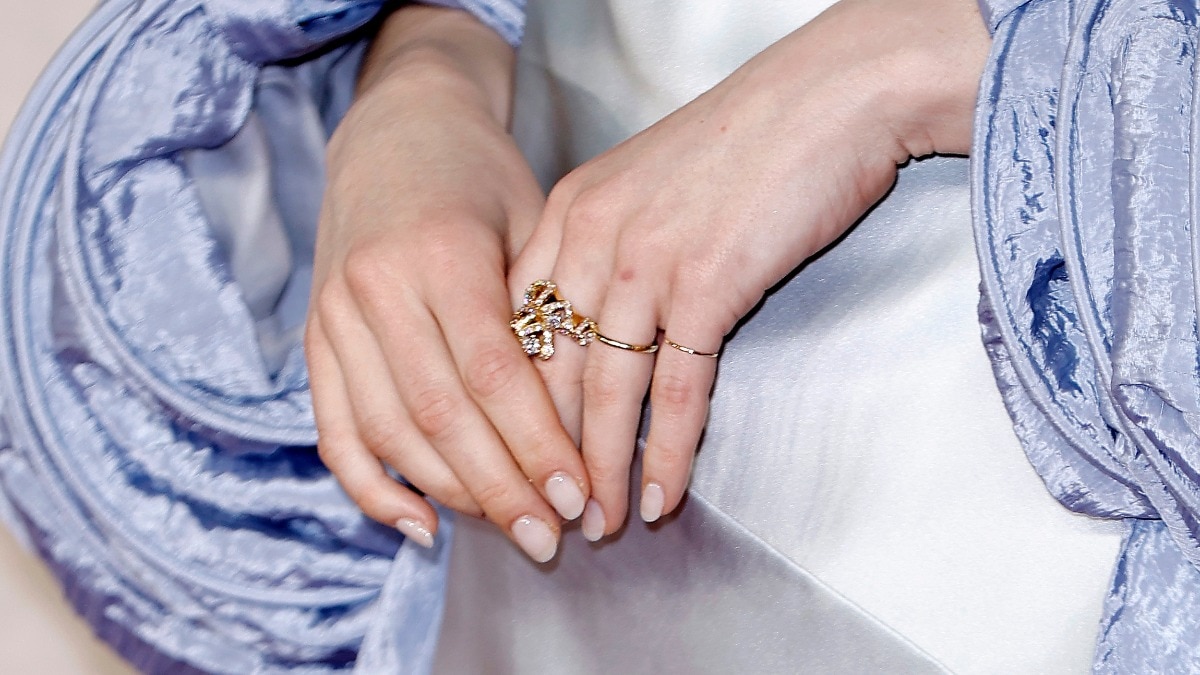
High-net-worth women are not getting their nails done. Why? Well, apparently, it’s because they simply don’t have the time for it. While everyone rushes to book their manicure appointments, zeroes in on elaborate nail art, and spends hours maintaining acrylic extensions, some high-net-worth women are choosing to go bare because it is the most fuss-free and efficient option.
The purpose is simple: nail extensions and bold polish are susceptible to chipping, can sometimes get in the way of regular tasks, and often require upkeep. Bare, neatly trimmed nails, on the other hand, are ready to take on the day head-on, with no touch-ups or extra care needed. The whole idea of spending hours getting a manicure only to be careful about preserving it can seem time-consuming and limiting to women whose schedules are centred around business, networking, and wealth-building priorities.
The shift towards bare nails does feel both practical and elegant. Short, trimmed nails with no polish are au naturel, timeless, and undeniably chic. But it also begs a bigger question: is luxury simply shifting its perspective because manicures, once considered a marker of exclusivity, have now become accessible to everyone?
Some might argue that bare nails are becoming a new high-net-worth indicator precisely because luxury trends often evolve once accessibility expands. A luxury lifestyle may involve higher-quality living, expensive treatments, aspirational travel, and elevated self-care, but one of luxury’s longstanding defining factors has often been exclusivity—not everyone can access it. That idea, of course, is debatable, but historically, beauty has often reflected class distinctions.
Take history, for instance. In ancient Egypt, nail colour was associated with hierarchy, with darker henna shades often reserved for royals and the elite, while lower classes wore more muted tones. In imperial China, elaborate nail colour and even nail length were often symbolic of wealth and nobility, signalling a life untouched by manual labour. For centuries, getting your nails done—or not—has reflected class distinction in different ways. Which is why today’s no-polish shift feels particularly probing. If polished nails once signified status, what does it mean when restraint suddenly does?
Could it also be an indicator of the times we live in now—an era where even the wealthy are expected to be visibly productive, where time is tightly scheduled, and efficiency itself has become a marker of power? Or is it still just about being a quiet luxury practice, an old-money habit, or simply an insider aesthetic understood mostly by those within certain circles?
That being said, in the modern world, time itself is a luxury; time is money.
On one hand, there is the luxury of having time for self-care indulgences; on the other, there is the luxury of being so intentional with your time that you choose restraint over perceived excess. If time is wealth, then wouldn’t having the time to indulge in an elaborate manicure also be considered a marker of high net worth?
Honestly, both arguments make sense, and perhaps this is where personal preference matters more than rigid trend forecasting.
The current mood is certainly leaning toward naked nails. Japanese manicures—polish-free treatments focused on buffing and enhancing the natural nail—are gaining traction, and frankly, they offer a refreshing middle ground. They prioritise nail health, shine, and maintenance without the commitment of visible polish. Health is also wealth, after all, and that philosophy increasingly extends to nail care, too. Celebrities like Sofia Richie Grainge, Gwyneth Paltrow, and even recent red carpet beauty trends from the likes of Zendaya have all leaned into cleaner, healthier-looking nails over overt nail art, reinforcing the appeal of the naked nails trend.
Choosing to go polish-free can also feel democratising in its own way. Anyone can embrace neatly trimmed nails, subtle buffing, or a sheer gloss finish and tap into this understated aesthetic. In that sense, bare nails may feel luxurious, but they are not entirely exclusionary—which perhaps makes them even more relevant to today’s evolving idea of quiet luxury.
And for those opting out of acrylics or bold polish, there is still room for nuance. A no-polish manicure, Japanese mani, or sheer strengthening top coat can all fall within this aesthetic. There are even nail polishes with strengthening formulas available and sheer nude shades that can go with the bare manicure aesthetic and can be easily applied at home. It is not really about doing nothing for your nails at all; it is about looking intentional without appearing overdone.
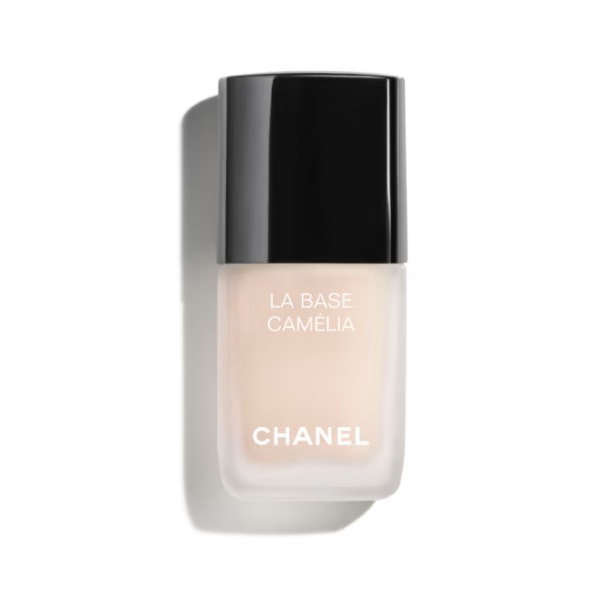
Chanel La Base Caméliafortifying, Protecting and Smoothing Base Coat, ₹3,200
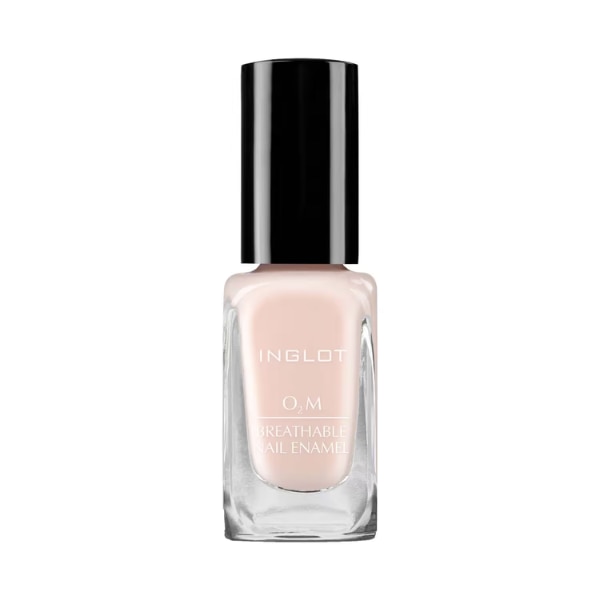
Inglot O2M Breathable Nail Enamel – 602, ₹2,500
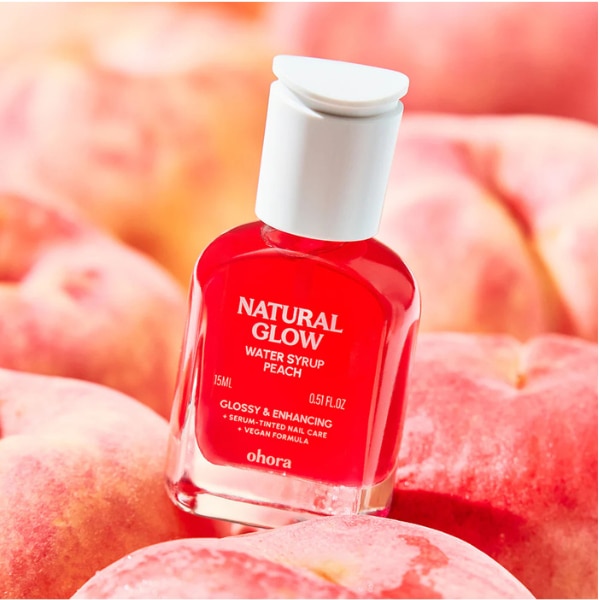
Ohora Natural Glow Water Syrup Nail Strengthener (Peach) - Quick-Dry Glossy Finish, ₹3,104
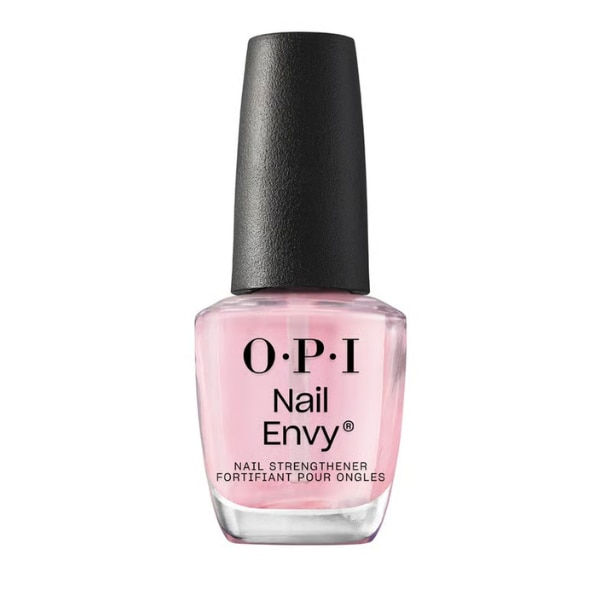
OPI Nail Envy Nail Strengthener Pink To Envy, ₹3,563
What it really boils down to now is this: are you someone who wants to save time on manicures and channel that energy elsewhere, or are you someone who sees the act of getting your nails done as an investment in both your digits and the digits in your bank account? Neither is inherently more “high-net-worth” than the other. But in today’s beauty landscape, where accessibility has changed the rules, bare, naked nails may just be proving that sometimes the simplest choices make the loudest statements.
Lead image: Getty
Also read: A Japanese pedicure is the healthier, polish-free alternative to gel nails
Also read: Are we finally done buying skincare we don't need?
ADVERTISEMENT
Must Read

ADVERTISEMENT