'Baby Botox' is everywhere, but should you start it before 30?
Dermatologists explain what “baby botox” really means and when it actually makes sense.

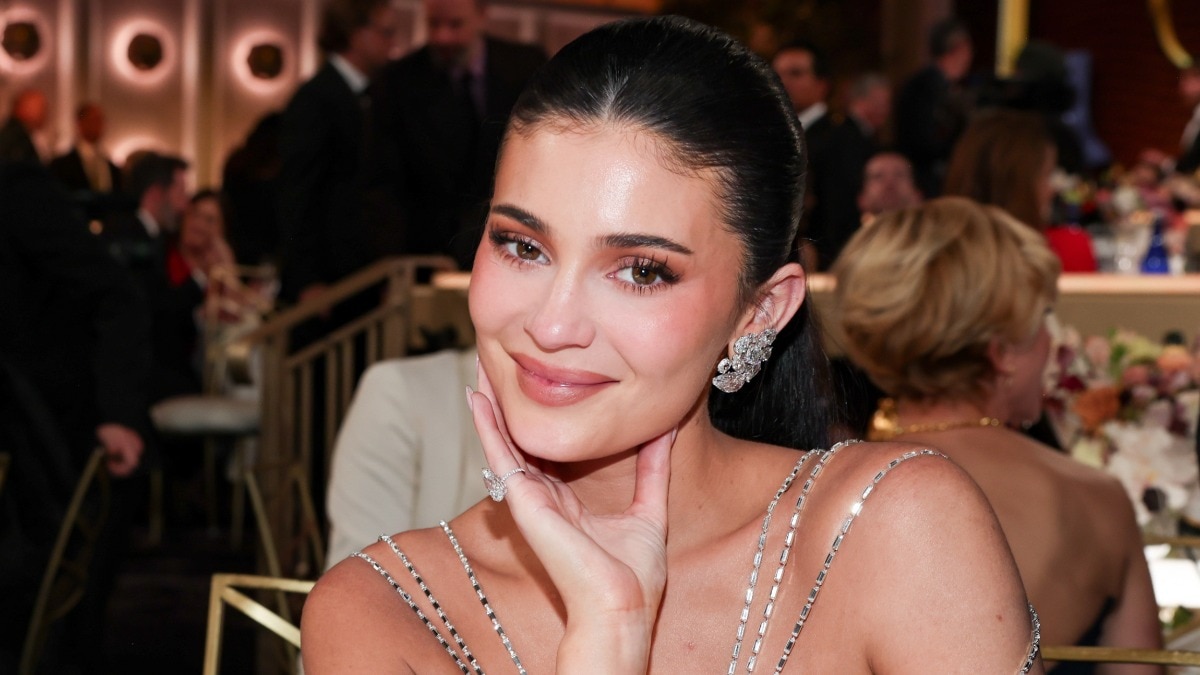
You have probably seen the phrase “baby Botox” all over social media lately. It is being packaged as the beauty world’s smartest little secret: tiny doses of Botox before 30 to “prevent” ageing before it even starts. For many young people, especially those constantly looking at themselves on Zoom calls, Instagram stories, and cameras, the idea sounds oddly practical. Why wait for wrinkles when you can stop them early?
But baby Botox is more than just a viral skincare trend. Dermatologists say there is no exact age to begin anti-ageing treatments, and in many cases, your skin says more than your birth year does. Baby Botox can work beautifully when done carefully, but it is not something everyone in their twenties suddenly needs.
So, what is baby Botox?
Baby Botox is essentially regular Botox used in much smaller amounts. Instead of completely freezing movement, dermatologists use tiny doses to soften facial expressions while still keeping the face natural and expressive. The goal is prevention rather than dramatic correction.
It is usually used on areas where repetitive muscle movement creates lines over time, including the forehead, frown lines between the brows, crow’s feet around the eyes, and smile lines around the corners of the lips.
According to Dr Nishita Ranka Bagmar, “For most people, the right window to consider Botox is around 25 to 30, but it depends on your muscle activity, not just a number.” She explains that Botox works by temporarily relaxing the muscles that repeatedly fold the skin, eventually leading to visible lines.
“The face tells you when. It's the moment expression lines begin to linger after it has relaxed,” she says. “For some, that arrives in the mid-twenties, for others much later.”
Why are people starting Botox younger?
Preventive Botox has become popular partly because beauty culture has changed. Earlier generations mostly turned to injectables once wrinkles became visible. Today, many people in their twenties are approaching ageing more proactively.
Dermatologists say early Botox is usually about preventing wrinkles from becoming deeply etched into the skin. “In the late 20s and early 30s, wrinkles caused by facial movement are not deep yet. Lines become softer and future wrinkles may form slowly," explains Dr Shilpa Patil.
She adds that one reason younger patients prefer it is because the results are subtle and downtime is minimal. “It is a very fast treatment requiring fewer units, and you can return to work the same day,” she says.
Is there actually a “right” age to start?
Both dermatologists agree that there is no universal age for Botox. Some people develop strong expression lines in their mid-twenties because of genetics or highly active facial muscles, while others may not need treatment well into their thirties.
What matters more is whether lines remain visible even after the face relaxes. That is usually the point when one should begin discussing preventive treatment.
But experts also warn against treating Botox like a beauty milestone you need to hit before 30. Dr Bagmar says, “Treat a concern, not a trend. Addressing something you genuinely see in the mirror is fine. Chasing a filter, a reel, or someone else’s face is not.”
The risks of starting too early
Dermatologists repeatedly stress that younger faces need very little Botox, and that overdoing it can backfire.
“A muscle held still for years can gradually weaken and thin, which reads as aged, not preserved,” says Dr Bagmar. “Less quantity, and less frequently, is the goal.”
Temporary side effects can include bruising, swelling, and tightness around the injection site. In rare cases, incorrect placement or excessive doses can lead to droopy eyelids, uneven brows, or an overly frozen look. This is why experts emphasise choosing a qualified dermatologist or plastic surgeon. Technique matters far more than trends.
And perhaps the most important reminder: Botox is not a substitute for skincare basics. “Your sunscreen, your sleep and your consistency shape your skin far more than any injectable can,” says Dr Bagmar.
Done thoughtfully, baby Botox is less about looking younger forever and more about looking like yourself, just a little more rested, for longer.
Lead image: Getty
Also read: Ear seeding is everywhere, but does it really help with anxiety?
Also read: Why everyone is suddenly ‘water stacking’ to stay hydrated