




ADVERTISEMENT
Are “straight natural” styles secretly damaging your curls?
Experts explain the difference between heat-trained and heat-damaged hair, and whether bouncing back and forth is actually worth it.

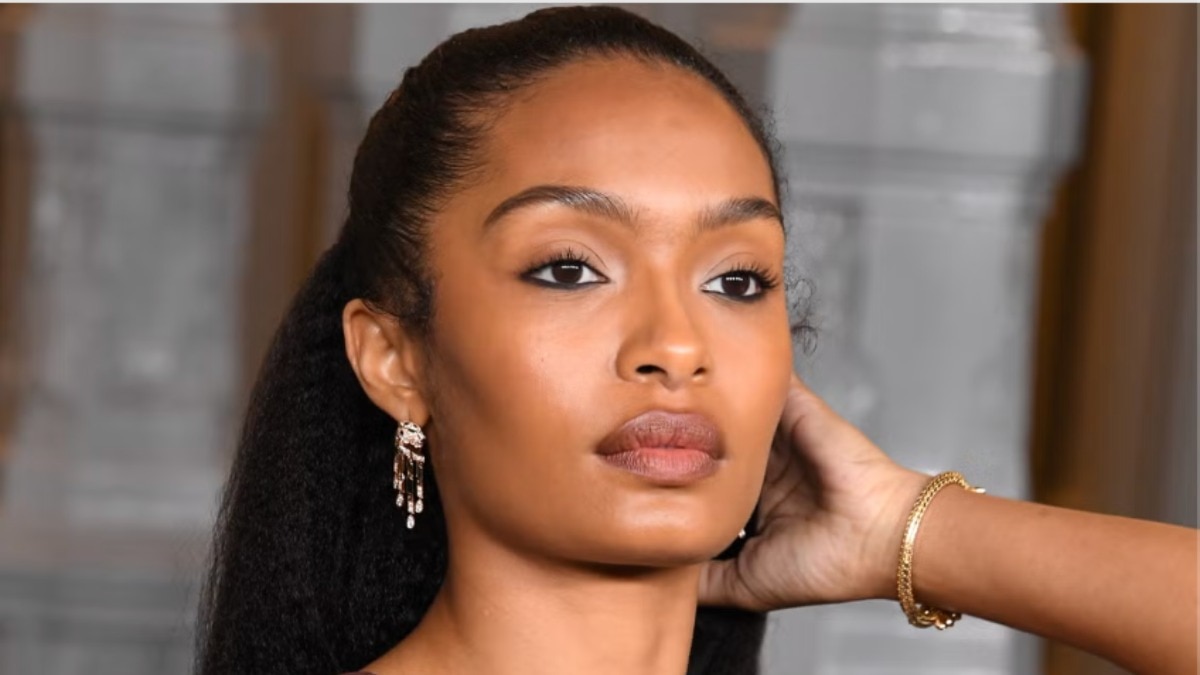
My coily 4A hair and I have been on quite the journey together. Even before I was a beauty editor, I experimented with just about every style imaginable to establish my signature look for each season, from perms and weaves to braids and twist-outs.
There was a time in my life when I considered myself a “straight natural,” a naturally coily- or curly-haired person who consistently wears blown-out or silk press styles without the help of chemical treatments, such as keratin or perms. While I loved my experience as a straight natural, especially the newfound bounce and body my hair couldn’t always muster with chemical treatments, I always wondered whether the integrity of my curls would change forever with each pass of a flat iron.
“There is a difference between heat-trained hair and heat damage,” professional stylist and Dippity-Do curly hair expert Brendnetta Ashley tells Bazaar. “Heat training refers to using heat regularly to gently loosen the curl pattern over time while still maintaining the hair’s overall health. Damage occurs when excessive heat permanently alters the hair’s protein structure.”
Ashley adds that when hair is heat-trained, it can still maintain its curl pattern when it interacts with water. If hair does not revert to its natural coils, it has likely suffered damage that can’t be immediately reversed with products like bond-building shampoos and conditioners. While helpful in enhancing strength and elasticity, these haircare staples shouldn’t be considered a magic fix to undo permanent damage.
Professionals say there’s no recommended number of salon visits per month for those looking to safely straighten their hair, but to maximise curl health over time, less is more. “I always tell clients to think of straightening as an occasional style, not a weekly routine,” says curl expert Brittney Aub.
“The more time your curls spend being curls, the happier they’ll be.” Melo Curl Revival Studio founder and professional hairstylist Melissa Santos-Howard agrees, adding that several factors,
Including the health of your hair before using heat, how much heat and tension are applied to your hair, and which tools or methods are used to create straight styles matter.
“Think of each of your curls like a slinky—once you pull at it too much, it may be difficult for the slinky to bounce back into place as it should,” Santos-Howard explains. “Ultimately, choosing to straighten and how often is a lifestyle choice. Do you prefer versatility or health? And to what degree? Being educated on how different types of manipulation affect your hair is the best way to decide how to approach your hairstyling routine.”
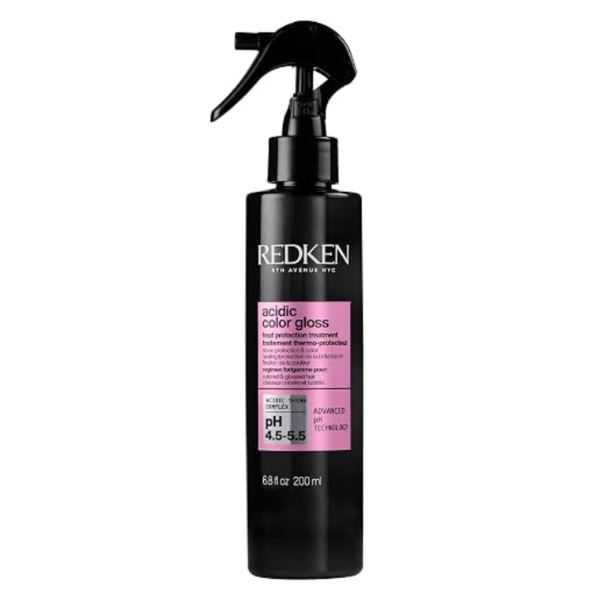
Despite some risk of losing pattern retention, it is possible to identify as a straight natural while keeping hair healthy, with some caveats. In addition to minimising how often you have your hair professionally straightened, the method you use to achieve sleeker styles, along with the products you use to prep hair for heat, can make all the difference. Consistently using an effective heat protectant like Redken's Acidic Color Gloss Heat Protection Treatment, Color Wow Dream Coat Supernatural Spray, or The Doux's O.P.P. One Pass-Press Heat Protection Spray, after washing and conditioning hair, can help guard against potential damage.
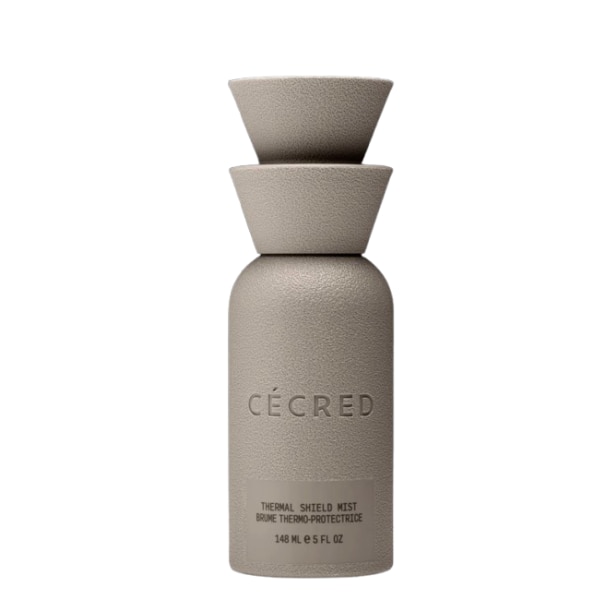
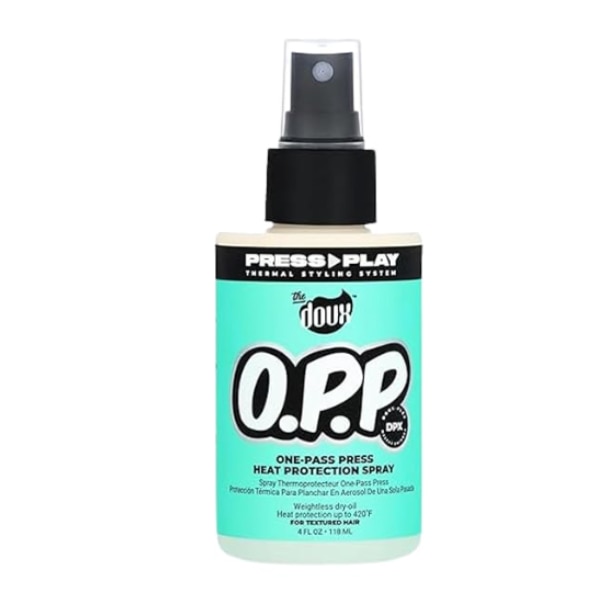
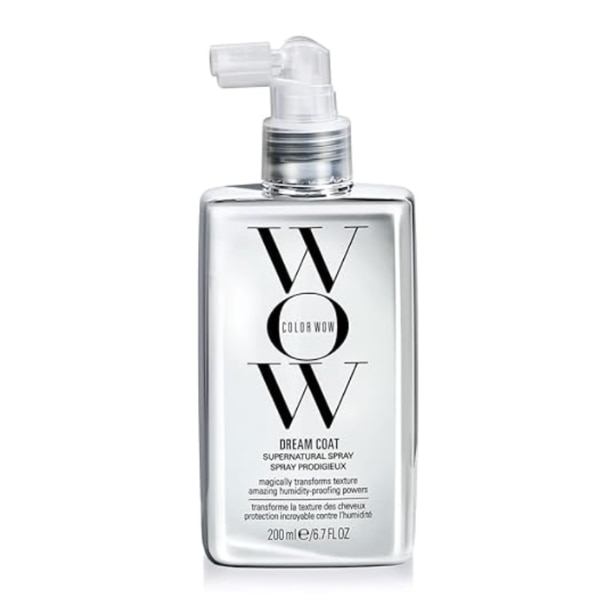
“When choosing a protectant, look for ingredients that do more than just shield the hair from heat. Silicones like dimethicone and amodimethicone help create a protective barrier, while ingredients such as panthenol, amino acids, and hydrolysed proteins support moisture retention and strength,” adds Ashley. “For curly hair, the best heat protectants balance protection, hydration, and conditioning to help preserve both the health of the hair and the integrity of the curl pattern.”
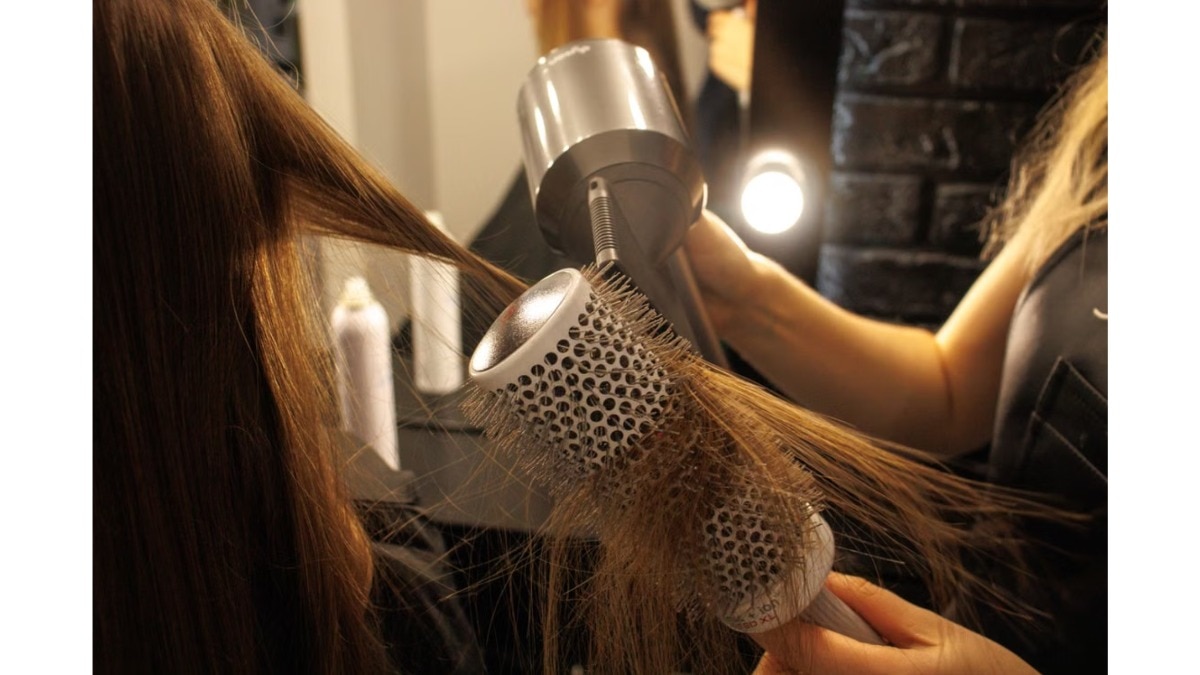
Experts also note that using hot tools at lower temperatures or opting for a silk press altogether can help keep curls and coils their springiest. “You can love a silk press and still have healthy curls,” says Aub. “The key is using a heat protectant, keeping your temperature reasonable, and not chasing bone-straight hair with multiple passes.”
If you’re transitioning from a straight natural to going all in on curl health, stylists advise taking a break from heat, prioritising moisture, and making regular trims—usually every four months or so—part of your routine for optimal definition, consistency, and shine.
Meet the Experts:
1. Brendnetta Ashley is a professional stylist and Dippity-Do curly hair expert based in California.
2. Brittney Aub is a professional hairstylist and curl expert based in Miami.
3. Melissa Santos-Howard is the owner and founder of Melo Curl Revival Studio in New Jersey.
This article is originally from harperbazaar.com in June 2026
Lead image: Steve Granitz
Also read: Why the French bob is the easiest style for mature hair
Also read: The 5 most low-maintenance haircuts for mature hair
ADVERTISEMENT
Must Read


ADVERTISEMENT