Are we witnessing the death of 'makeup personality'?
From Tumblr girls and indie sleaze to clean girl and soft glam, beauty trends have always evolved. But as algorithms reward sameness, has makeup stopped being a form of self-expression and become a formula instead?

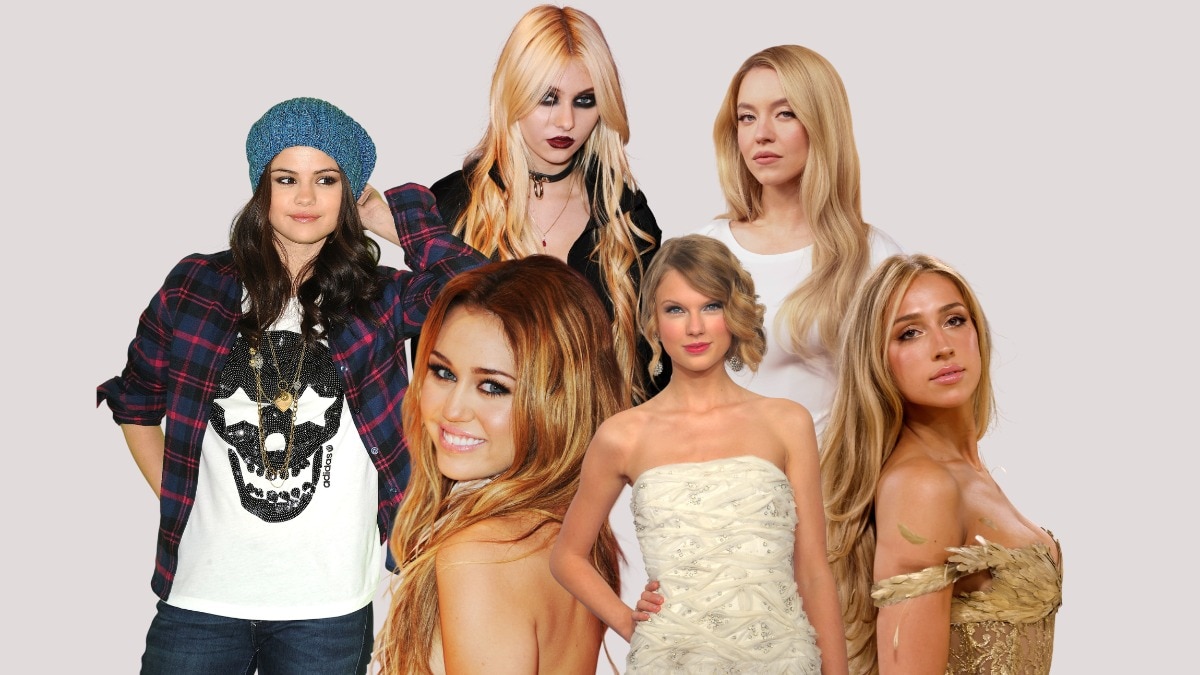
The internet and social media, especially, have managed to convince us that a lot of celebrities today look eerily similar. Some of the names that come to mind include Tate McRae, Madelyn Cline, Emma Chamberlain, and even Sydney Sweeney, all of whom seem to have a very similar look.
Of course, conspirators have long insisted that they may all have the same plastic surgeon (allegedly). But if you really think about it, the similarity often has little to do with the way they actually look and more to do with the way they’re styled, more specifically, the makeup they’re wearing. And it reminded me of a video I came across recently about how we’ve entered the era of the “death of makeup personality”. At first, it felt like an overstatement. But the more I looked around, the more the idea began to make sense.
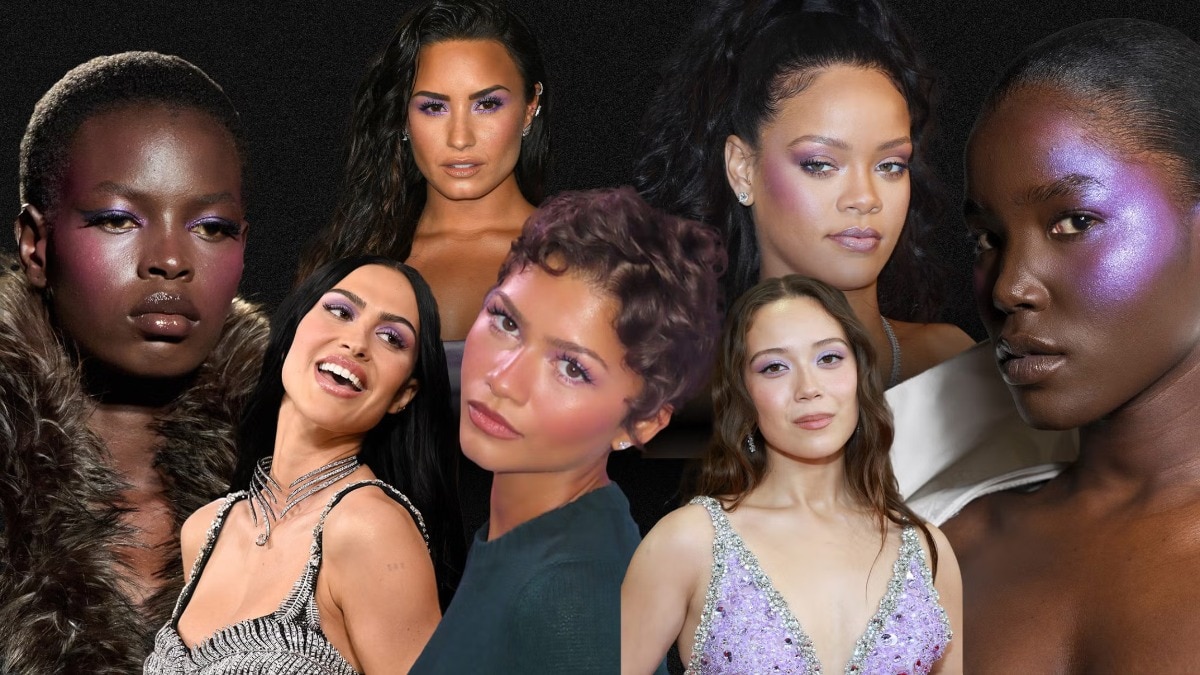
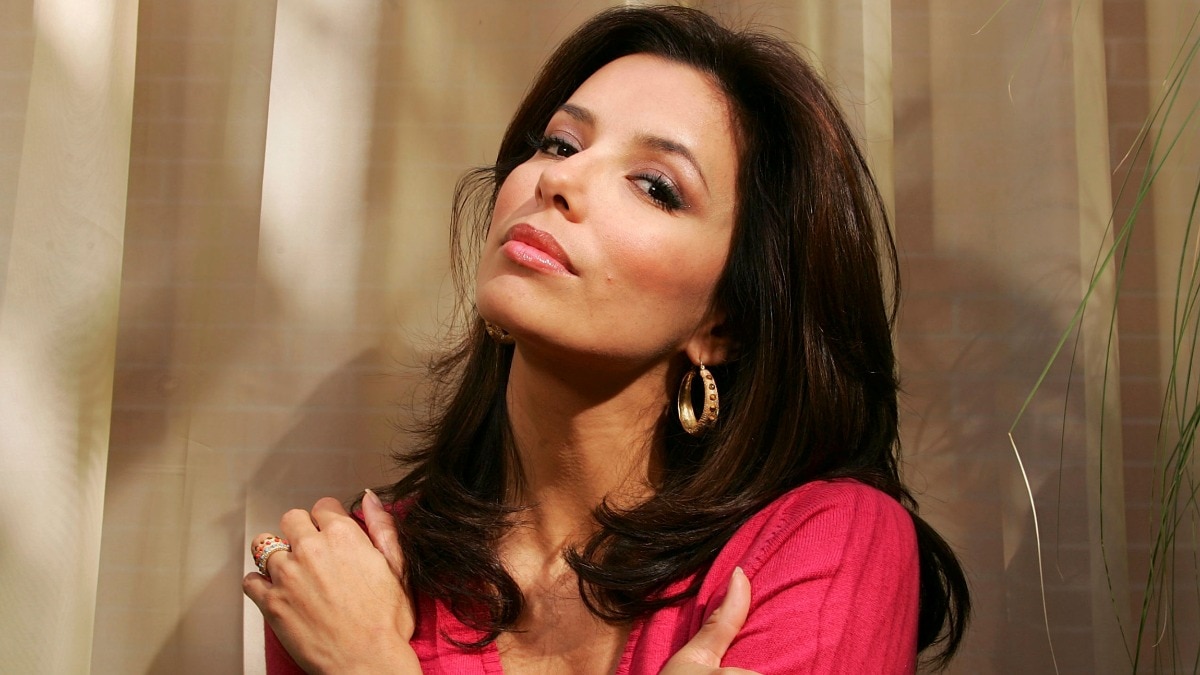
The truth is, makeup today has become quite indistinguishable. You have a carefully calibrated formula of a luminous skin-like base, softly contoured cheeks with a generous dose of blush, lifted brows, fluttery lashes, and an understated '90s lip combo that has become the gold standard of contemporary beauty.
From 'clean girl' and 'vanilla' to 'old-money' and 'mob wife', today’s makeup aesthetics may have different names, but the makeup underneath is often strikingly similar. There may be marginal changes in the colours, techniques, and even products, but the visual blueprint remains the same. There’s no denying that it is a beautiful look. That lit-from-within glow, softly sculpted features, and just enough colour to look lightly sun-kissed is an enviable look. But it also takes a far turn from the makeup we grew up with—makeup that had personality; makeup as a tool of self-expression.
When makeup was an identity
For as long as I can remember, makeup has been defined as an expression of one’s identity. And the 2010s were the golden age of it. Back then, beauty trends were tied to genuine communities. But it wasn’t just a trend you tried because it went viral. It reflected your cultural universe—the music you listened to, your favourite movies or books, your favourite social websites, the communities you were a part of, the clothes you wore, and even your worldview. It was almost like a de facto uniform. Remember the lunchroom scene from Mean Girls? In the movie, Janice Ian described every table as a different social circle, and makeup was an important identity marker for each of the cliques in this scene.
Before TikTok and Instagram algorithms fed us the same copy-pasted beauty trends, people found inspiration through Tumblr moodboards, YouTube creators, music videos, magazines, and tried-and-tested makeup experiments with their friends. There was no one ideal, but a dozen parallels coexisting online. And once you discovered the one that resonated with you, your makeup became shorthand for the community you belonged to.
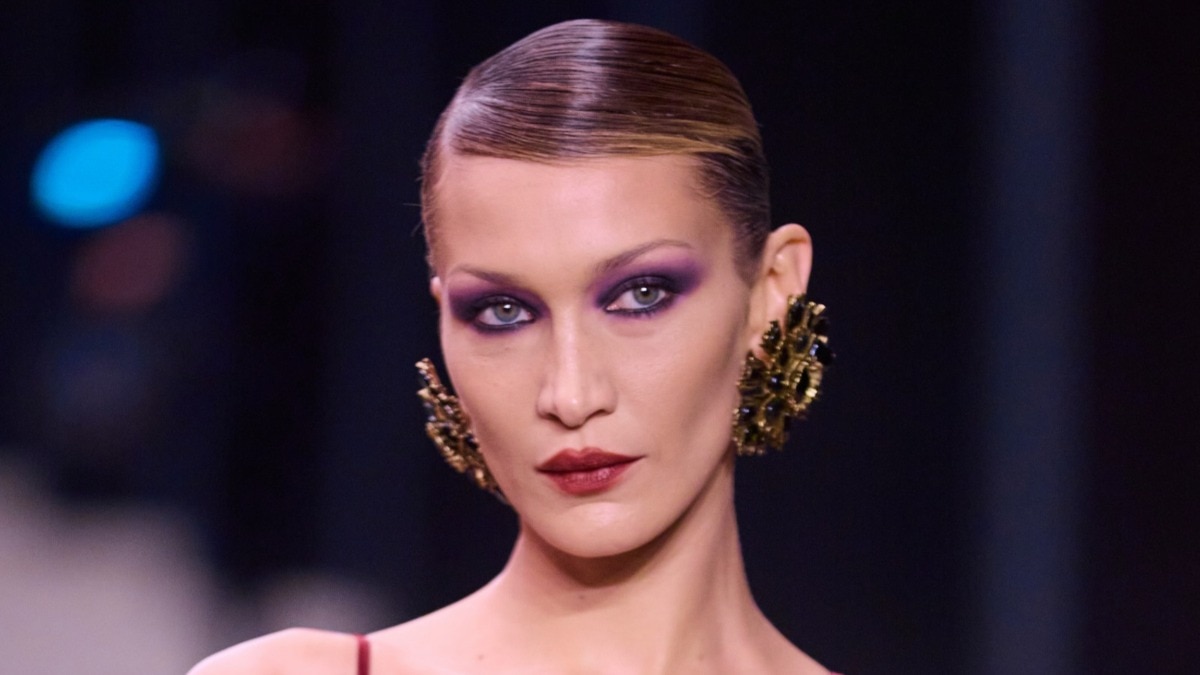
And so, makeup looks became instantly recognisable. Dramatic eye makeup and dark lipstick became synonymous with the goth girl aesthetic, while Tumblr girls toured around with smudged mascara, kohl, and berry-glossed lips. Then came the YouTube beauty boom with full-coverage foundation, razor-sharp contour, cut-crease eye makeup, and dramatic lashes. Indie sleaze celebrated slept-in eyeliner and deliberate imperfection before the e-girl aesthetic arrived with graphic liner, nose blush, faux freckles, and tiny hearts under the eyes. These makeup looks were visual shorthand for entire subcultures.
Did algorithm beauty kill makeup personality?
The rise of TikTok changed beauty in more ways than one. Instead of seeking out creators or communities that reflected your taste, the algorithm began deciding what beauty looked like for you. And because social media rewards familiarity, the makeup that performs best is often the makeup that feels the most universally appealing.
Geeta Rao, co-founder of Glossnglass Academy, believes social media has played a significant role in shaping today’s beauty landscape. “It’s made learning so much easier, and anyone can discover new techniques and trends with just a few clicks,” she says.
At the same time, Rao believes that it has also encouraged people to gravitate towards the same aesthetics instead of developing their own style. “I don’t think creativity has gone away—it’s just waiting to be explored more,” she says, adding that makeup should enhance someone’s individuality rather than make everyone look the same.
Algorithm beauty, as it is called now, is a look that’s polished enough to go viral but subtle enough to appeal to almost everyone. It’s why the clean girl, vanilla girl, old-money, quiet luxury, and even mob wife aesthetics—despite their wildly different branding—often rely on the same beauty formula: luminous skin, softly sculpted cheeks, feathered brows, wispy lashes, and neutral lips.
The styling changes, but the face rarely does.
It’s not necessarily a bad thing. Today’s makeup is undeniably more wearable, more skin-focused, and arguably more technically refined than the heavy contour and matte foundations that dominated a decade ago. But in becoming universally flattering, it has also become universally familiar.
Rao points out that the dominance of trends like soft glam, glass skin, and clean beauty naturally makes many looks feel similar. For Rao, the artistry lies in adapting popular trends to the individual—their features, personality, and occasion—rather than recreating the same look on everyone.
Ironically, the internet has never offered us more beauty inspiration than it does now, yet it often feels like we’re all drawing from the same mood board.
Is makeup personality actually dead or just changing?
Beauty has always been cyclical, so declaring personality makeup dead may be a tad dramatic. It is constantly evolving with every generation, but the speed and scale at which trends spread today are unprecedented. What once took months to trickle through magazines, blogs, or YouTube tutorials can now reach millions overnight. Algorithms don’t necessarily eliminate individuality, but they do reward likeness. The more a look performs, the more people recreate it, and before long, what began as one aesthetic becomes the default.
Rao, however, believes individuality hasn’t disappeared; it simply needs a little more intention. She says that while many of her clients arrive with Pinterest boards and Instagram screenshots, they’re rarely looking for an exact copy. Instead, they want help interpreting a trend in a way that feels authentic to them. “My job is to take that inspiration and create a look that complements their face, outfit, and personality,” she says. “That’s what makes the makeup feel timeless rather than just trendy.”
At the same time, pockets of personality still exist. Editorial makeup artists continue to experiment with colour and texture, alternative subcultures are embracing maximalism once again, and younger creators are finding increasingly niche ways to express themselves beyond the clean-girl playbook. Individuality, today, can be harder to spot beneath the pressure to be aesthetically pleasing online.
That’s why Rao isn’t interested in bringing back one particular era of beauty. Instead, she sees today’s landscape as an opportunity to borrow from the best of every decade. “We have the freedom to take inspiration from every decade and make it our own,” she says. “Whether it’s a classic red lip, a '90s smoky eye, or fresh glowing skin, there are no rules anymore.”
Maybe that's why the idea of “makeup personalities” has resonated with so many people online. It’s not because every trend from the 2010s deserves a comeback (we’ve all made peace with the days of over-plucked brows and orange foundation). It’s because beauty once felt like a conversation rather than a consensus. Your eyeliner, lipstick, or glitter-covered lids told people something about who you were before you even introduced yourself.
Today, the most rebellious beauty statement might not be mastering the latest viral blush placement or perfecting glass skin. It might simply be wearing makeup that doesn’t fit neatly into an algorithm.
Lead image: Getty Images
Also read: The beauty trends and launches set to shape the season ahead
Also read: The beauty trends from S/S 2026 you'll be seeing everywhere soon