




ADVERTISEMENT
How coastal cuisine has shaped global food culture
From centuries-old coastal traditions to contemporary kitchens, discover how geography, trade and local ingredients continue to shape the world's most distinctive food cultures.

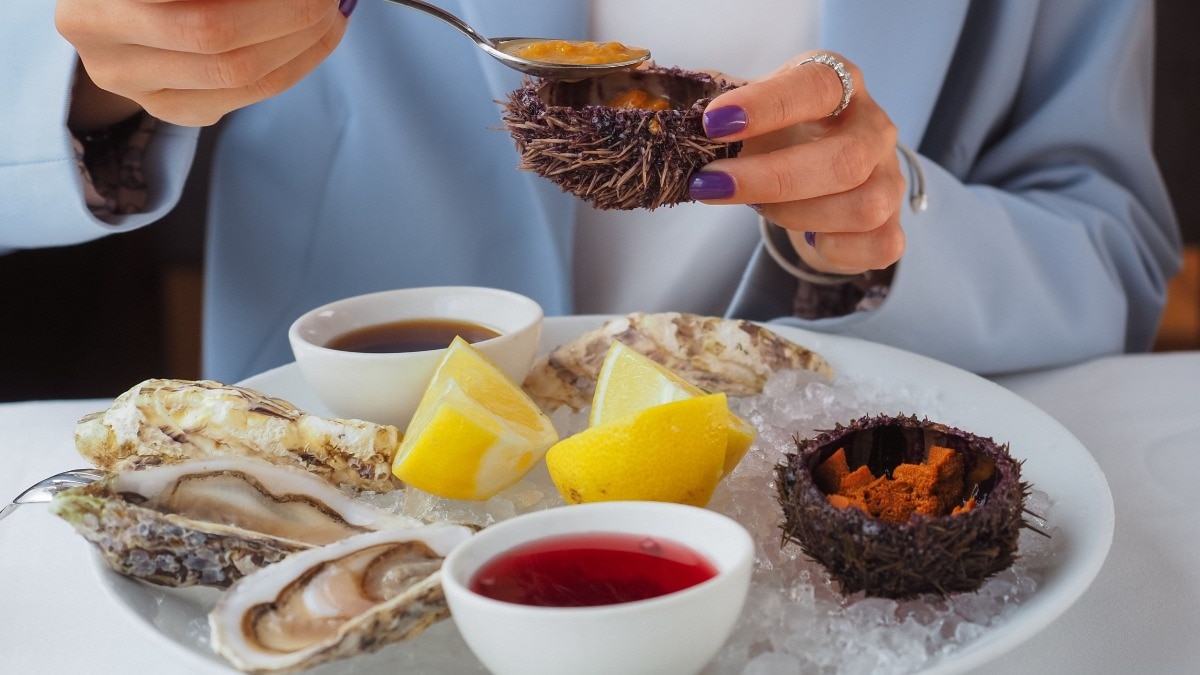
There is a particular kind of hunger that arrives by the sea. It is lighter, sharper, more instinctive—satisfied by grilled fish eaten with your hands, a bowl of coconut-laced curry, or bread torn warm beside a plate of olives. Coastal food has never been merely about seafood. It is about geography, memory, and movement: the story of people who learned to live by the tide, and then carried their kitchens across oceans.
Where trade met the table
Coastlines have always been gateways. Ports brought not just ships and merchants, but chillies, vinegar, coconut, rice, citrus, spices, and new ways of preserving food. India’s western coast is a particularly vivid example: centuries of Arab, Portuguese, and local exchange transformed kitchens from Maharashtra to Goa and Malabar, layering indigenous ingredients with influences that arrived by sea.
That is the central magic of coastal food: it absorbs. A dish may begin as survival food, whatever the boats bring in, whatever the market sells by evening, and evolve into a cultural emblem. In Japan, meticulous fish-handling traditions such as ikejime helped shape the precision and reverence now associated with sushi and sashimi worldwide. In the Mediterranean, olive oil, citrus, herbs, and simply handled fish became shorthand for a slower, sunlit way of eating.
More than a plate of seafood
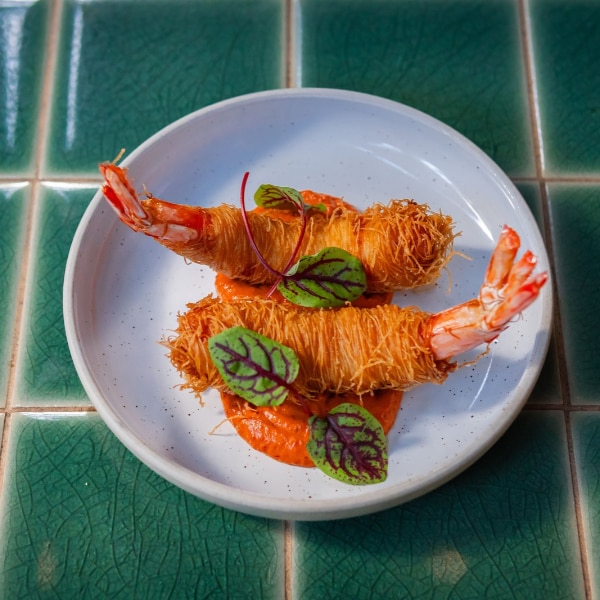
The sea dictates more than ingredients. It shapes rhythm. Fishing seasons determine what appears on the table; preservation techniques such as drying, salting, smoking, and fermenting emerged from necessity and became art forms. Meals become rituals: family lunches after a catch, festival feasts, community celebrations timed to harvests and tides.
In this sense, coastal cuisine is deeply communal. It resists the idea of food as a solitary, plated performance. It asks for shared bowls, hands, conversation, and second helpings. A thali by the backwaters, a Sunday fish curry in a Mumbai home, a long Mediterranean lunch that stretches into evening—these are not just meals, but social contracts.
Chef Swaroop of SOL by the Sea, a newly launched beachfront resort in Karnataka, says, “When it comes to preserving the authenticity of coastal cuisine, we embrace local ingredients, seasonal produce, and contemporary culinary creativity. Our approach is inspired by the rich traditions of coastal communities, their time-honoured cooking techniques and the distinctive flavours of the sea.”
The global coastal aesthetic
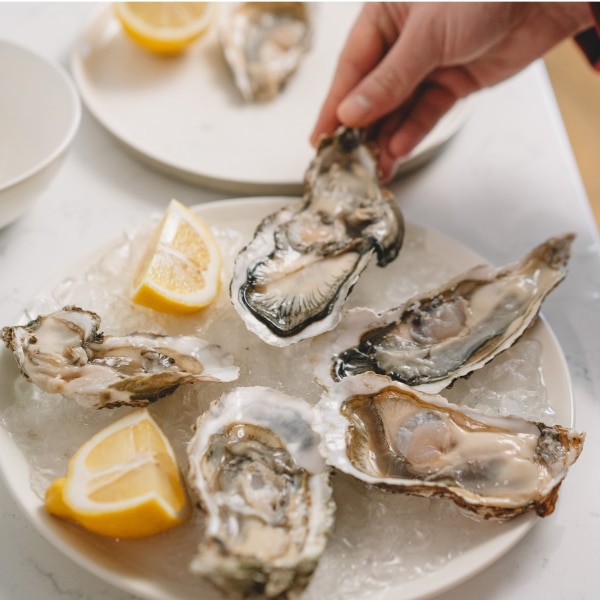
Today, coastal cooking has become one of the most influential culinary languages in the world. Its appeal is easy to understand: it feels fresh without being austere, indulgent without feeling heavy. Grilled fish, raw seafood, citrus, herbs, olive oil, coconut, fermented condiments and seasonal vegetables fit neatly into contemporary ideas of wellness and conscious eating.
Chef Chetan Bolar, executive chef of Bombay Brasserie, adds, “Authenticity begins with understanding a dish’s roots, ingredients and cultural significance. At Bombay Brasserie, we aim to preserve its essential flavour profile and the traditions that define it, while exploring contemporary techniques and presentations. We also remain mindful of how ingredients are available to us and how they can complement the dish without taking away from its original character.”
But the trend is not simply aesthetic. Coastal communities have long practised a kind of instinctive sustainability, eating locally, respecting seasonality and using the whole catch. As modern diners become more interested in traceability and responsible sourcing, these older coastal values feel newly relevant.
India’s coastal future
The next chapter of coastal cuisine will likely be defined by restraint rather than spectacle. Less fusion for fusion’s sake, more fidelity to ingredients, season, and story. The sea has always taught coastal communities to adapt without losing themselves, and modern kitchens are finally learning the same lesson. “The idea is to evolve the experience in a way that feels relevant today, without losing the soul of the original dish.” Chef Bolar adds.
Coastal cuisine endures because it is never finished. It shifts with the tide, welcomes the newcomer and makes room at the table. In every coconut curry, grilled fish, or bowl of broth, there is a larger truth: cultures are not built in isolation. They are seasoned, shared, and carried forward, one shoreline at a time.
Lead image: Pexels
Also read: Best afternoon teas around India worth travelling for
ADVERTISEMENT
Must Read







ADVERTISEMENT