Why dresses are being chosen for repeat wear
The dress is having a wardrobe rethink, moving beyond special occasions to become an everyday essential worth wearing on repeat.

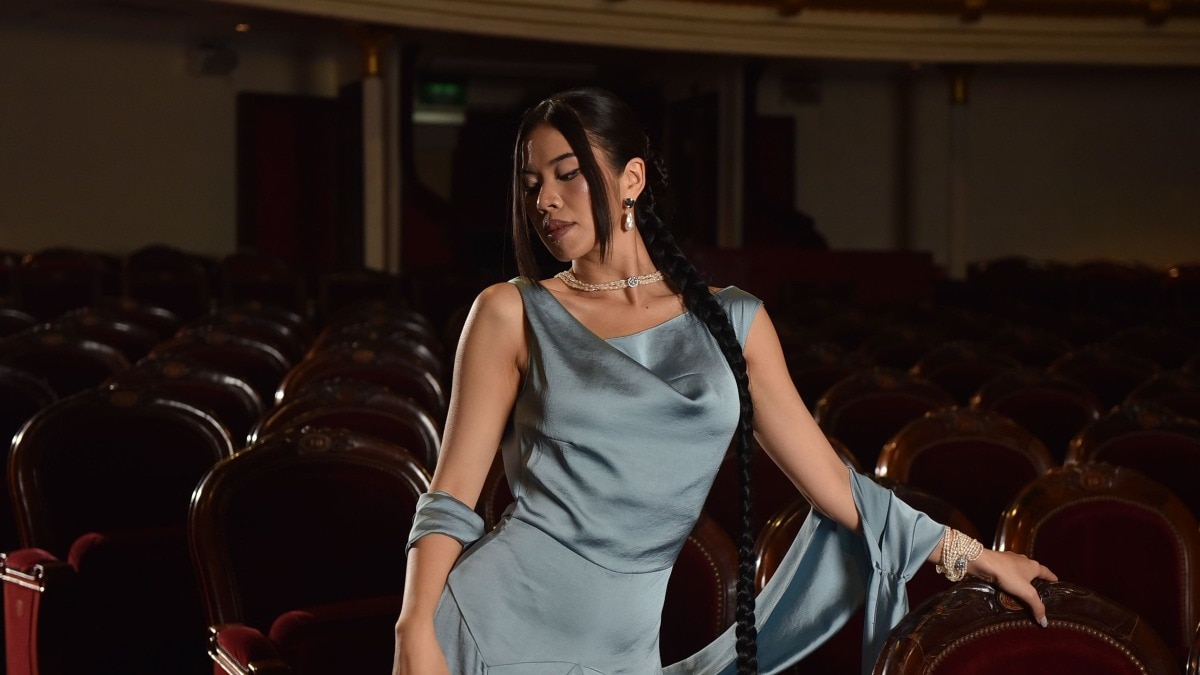
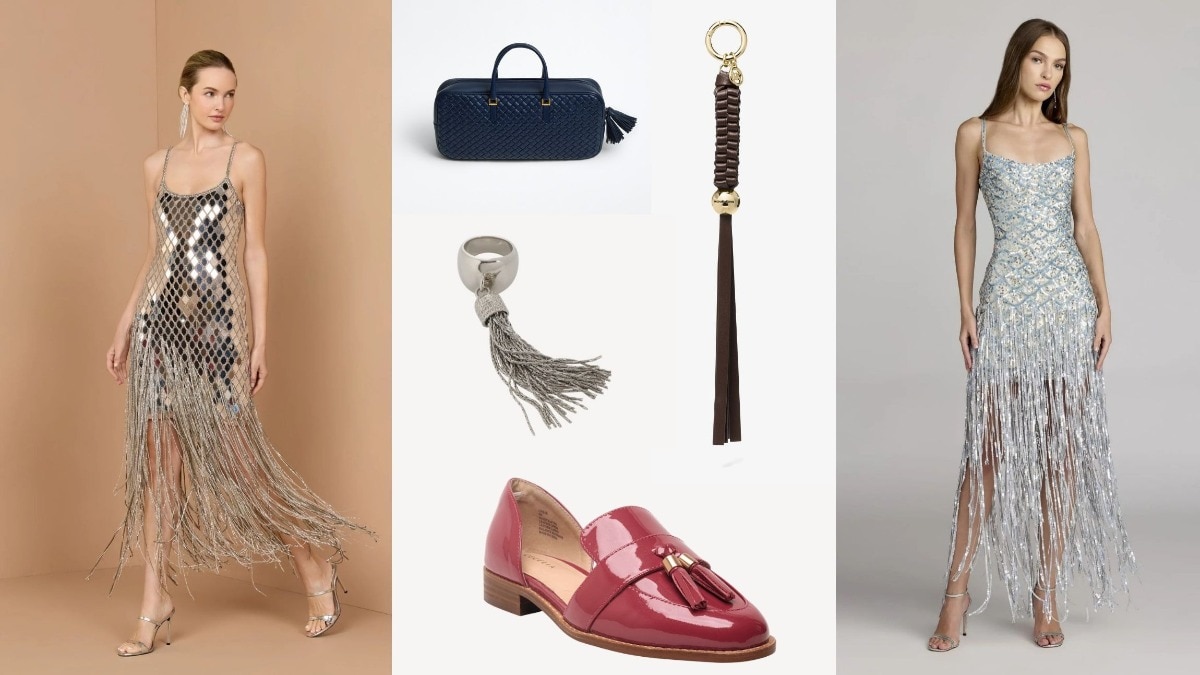
There was a time when dress was reserved for an occasion: a wedding, a dinner, a holiday, a photograph worth posting. Now, the dress is quietly becoming the most hardworking piece in the wardrobe. It is worn to brunch and boardrooms, airport lounges, and late dinners, then washed, re-styled and worn again the following week.
The rise of the hardworking dress
The shift is less about dressing down and more about dressing intelligently. Women are no longer buying dresses for a single moment; they are choosing pieces that can move through many. A cotton-poplin midi works with trainers on Monday and heeled sandals on Friday. A bias-cut slip dress layers over a T-shirt in autumn and stands alone in summer. The modern dress is expected to travel, stretch across occasions, and survive more than one season of social media scrutiny
Saachi Passari, founder of Hangover by Saachi, talks about how dresses today are designed keeping the women in mind, “the idea is to create something that feels special every time you wear it, while allowing you to style it differently for different occasions. Women are becoming more confident in their personal style and more thoughtful about what they buy. They want pieces that feel worth investing in, rather than outfits worn just once for a photograph.”
Part of this is practical. A dress removes the daily negotiation of separates: no matching, no overthinking, no last-minute outfit panic. It offers a complete silhouette in one decision, which is exactly why it has become a repeat-wear favourite for women balancing work, travel, and an increasingly full calendar. Comfort matters, but so does ease. The best dresses today are cut to be lived in—breathable, unfussy, and versatile enough to be styled each time differently.
Repeat wear, without the guilt
There is also an emotional shift. Repeat-wearing was once treated as a fashion faux pas, particularly when cameras were involved. That stigma has faded. Esha Sheth, founder and creative director of Ozeqo, says, “I believe repeat-worthiness begins at the design stage, not with how you style a garment afterwards. A strong silhouette and beautiful fabric are fundamental, but what makes a dress versatile is its ability to transform without losing its identity.”
Designers have responded by making dresses less precious and more personal. Think softer tailoring, adjustable silhouettes, washable fabrics, and shapes that flatter without demanding constant attention. The emphasis has moved from the “occasion dress” to the “forever dress”—a piece that earns its place through wear, not novelty.
Esha continues, “Today, luxury isn’t necessarily about owning more; it’s about owning what you love and getting more wear out of what you own. Women want timeless pieces they can revisit instead of chasing trends.
One dress, many lives
Accessibility has played a role too. As dress brands expand across price points, women can invest in one considered style rather than accumulate several disposable ones. The repeat-wear dress is not necessarily the most expensive piece in the wardrobe; it is the one that fits well, photographs beautifully, and feels effortless every time it is pulled from the rail.
Anushka Gupta, Founder of 31Labels, says, “The first is styling. A great dress gives you a complete look, but its real versatility lies in how you style it. The same dress can take you from a weekday brunch to a dinner simply by changing your shoes, your jewellery, or what you layer over it. Repeat wear is not about wearing something the same way twice. It is about discovering new ways to make a piece your own.”
Social media has accelerated this change unexpectedly. Instead of pushing women towards constant newness, it has made outfit repetition visible—and normal. A dress worn three different ways, in three different settings, often performs better than a new purchase worn once. She continues, “The second is far more personal. Almost every woman has that one dress she reaches for when the day matters. It might be the one she wore to an interview that went well, a first date, or a birthday she still remembers. It becomes her lucky dress, the one that makes her stand a little taller the moment she puts it on.
That kind of confidence can’t be bought new for every occasion. It builds every time you wear the dress again. To me, that is what makes a dress truly repeat-worthy: not just how it looks, but how it makes you feel and the memories it carries.”
Styling has become the point: the same dress with a blazer, a belt, flat sandals, or statement earrings can feel entirely new.
The future of the forever dress
Ultimately, the rise of the repeat-wear dress reflects a broader change in how women relate to their clothes. Fashion is becoming less about performing variety and more about building a wardrobe that genuinely supports real life.
Gupta adds, “Mostly, though, I think the meaning of repeating has flipped. For a while, social media turned every outfit into content, and content can’t be repeated. Now the most stylish women repeat on purpose, and it reads as conviction rather than a lack of options. There’s an Indian dimension too. We grew up in a culture where you couldn’t be seen in the same outfit at two weddings. So when Alia Bhatt wore her wedding sari again to receive her National Award, it felt like permission.” This conviction that women have today of repurposing their dresses and using them most stunningly also plays a huge role in sustainability and mindfulness. But also the dress, once the most occasion-bound item of all, has become its most reliable hero.
Lead image: Pexels
Also read: What your favourite handbag says about your personality
Also read: The fashion labels defining the style conversation right now