




ADVERTISEMENT
Into the many worlds offered by coffee-table books
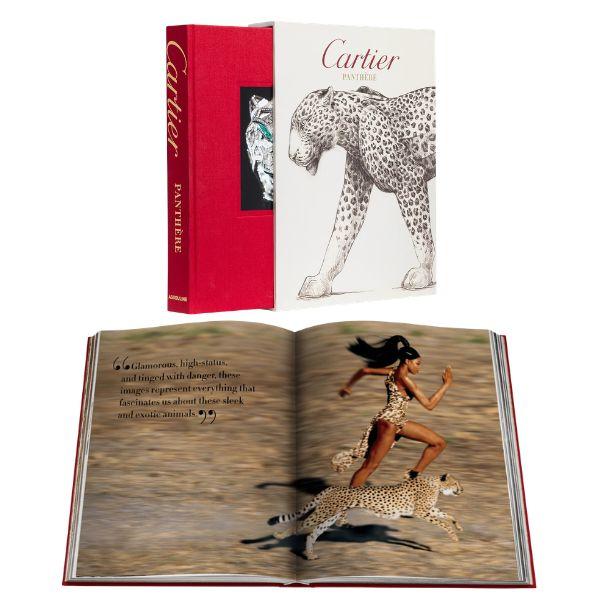
In an age of fleeting digital images and endlessly scrolling screens, the allure of a coffee-table book is even more pronounced. Part cultural archive, part design object, and part invitation to linger, these volumes are as much about the worlds that they open up as the spaces that they inhabit.

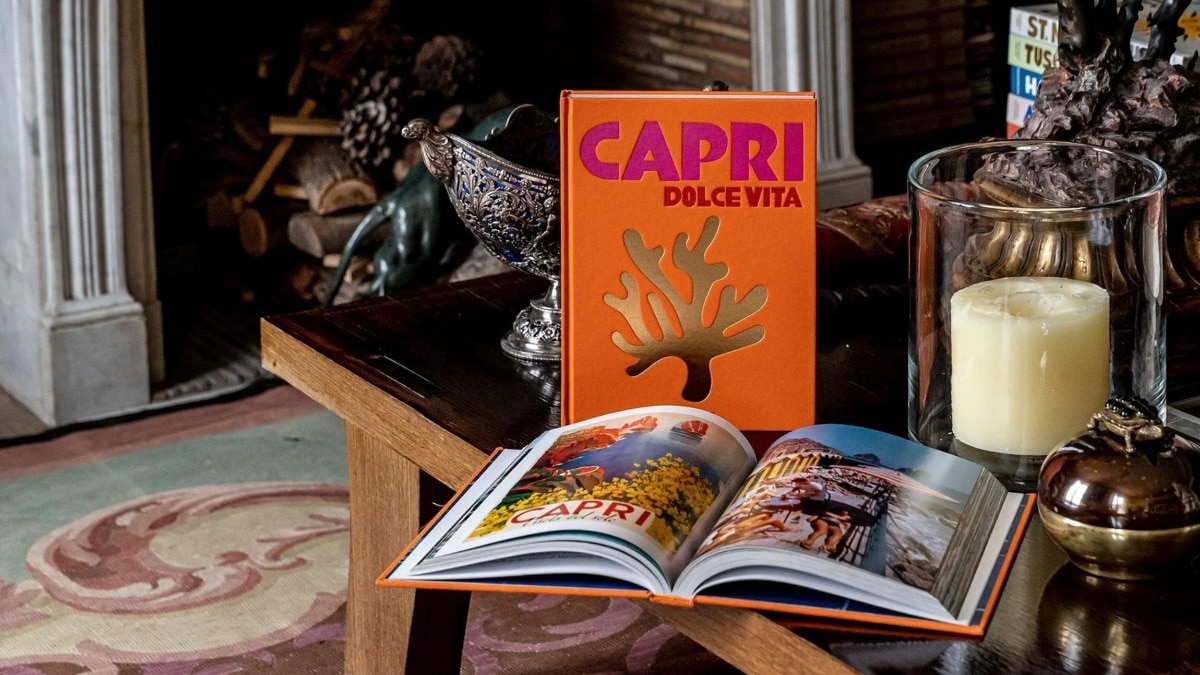
A book is a window, a door, and also a portal. There is the undeniable allure of being transported into another world through our imagination, but the appeal becomes even stronger when corroborated with captivating visuals.
A coffee-table book lets the idiom of a picture speaking a thousand words do all the convincing. A half-open page may reveal so much more than just a glimpse into an unfamiliar world. It might be an exploration of haute couture, a visual chronicle of architectural marvels, an anthology of ancient textiles, or a photographic journey through far-flung destinations.
Beyond their ability to draw the eye, these volumes invariably reveal something about the person who has chosen them, and, most importantly, offer an experience that extends well beyond their decorative appeal. In a world where images are consumed in seconds and forgotten just as quickly, the coffee-table book invites us to pause, turn a page, and savour it.
An object of desire
The appeal of a coffee-table book begins with its lush, evocative nature. The idea of images taking centre stage and letting your mind and heart absorb them to weave a story is enthralling. The weight of a substantial volume, the texture of its cover, the quality of its paper and the considered interplay of photography and typography all create an experience that showcases thoughtful production. There are linen-bound editions and embossed jackets, oversized formats, and exquisite photographic reproductions, where every detail displays how a beautifully conceived book is, in many ways, an object of design.
Kapil Kapoor, managing director of Roli and co-founder of CMYK Bookstores, believes that the physical beauty of these publications is only one part of their appeal. "As publishers of illustrated books, I have never particularly liked the term 'coffee-table book', because it can imply that these books exist primarily as decorative objects. Of course, a beautifully produced book can be a design object in its own right, something people want to take off the shelf and display on a table, but the best illustrated books combine that physical beauty with serious scholarship, extraordinary imagery, and lasting cultural value."
The art of styling a space
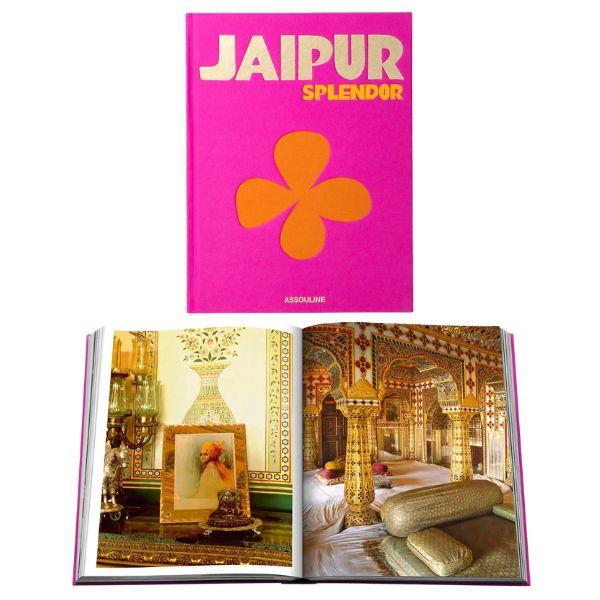
Few objects can introduce as much personality into an interior as a thoughtfully assembled collection of books. Whether arranged in elegant stacks on a low coffee table, displayed on a console or housed within an open bookshelf alongside objets d’art, they bring together colour, texture, proportion, and visual interest in a way that feels both effortless and personal. Their generous dimensions create interesting compositions, whilst the covers, spines, and jackets introduce another layer of detail into a room. Against the muted tones of a neutral interior, a vivid photographic cover can become an unexpected focal point; in a more eclectic setting, a collection of illustrated volumes can add to the visual richness of furniture and art.
There is also an element of styling in the way that books can be layered with other objects. A sculptural ceramic vessel placed alongside an oversized photography book, a stack of art editions beneath a decorative bowl of jasmine, or a single striking volume displayed next to a favourite collectable can create a composition that feels carefully assembled rather than overly arranged. Playing with different heights, formats, and textures allows these objects to become part of the interior's larger visual language. A large-format book can anchor a coffee table; smaller volumes can introduce variation and create a sense of rhythm. Even an open book, turned to a particularly beautiful image, can lend a corner a sense of discovery.
What makes this particularly interesting is that the books themselves become extensions of the home's aesthetic identity. A collection devoted to contemporary art and architecture might reflect an appreciation for clean lines and modernist design, whereas volumes on Indian craftsmanship, textiles, and heritage can introduce a sense of history and cultural richness. Travel photography, fashion archives, jewellery origins, food histories, and illustrated explorations of different cities offer glimpses into the owner's interests and experiences. Unlike decorative accessories selected simply to complement a particular colour scheme, books carry stories and associations that make a space feel more intimate.
Stories within the pages, and outside too
Books can be conversation-starters in more ways than one. To discuss how it came to occupy pride of place could just become your favourite story to regale others with, be it a book discovered at an art fair, another brought back from a holiday, a special edition received as a gift, or a volume acquired after visiting an exhibition, and each can become part of a larger personal collection. Their covers may complement the furniture and objects around them, but their real significance lies in the memories and interests they represent. They lend an impression of a space that is lived in and curious.
Importantly, their decorative appeal does not depend on elaborate arrangements or an abundance of objects. A single oversized book on a sculptural side table can make a statement, while a carefully curated shelf of illustrated editions can become an intimate gallery of sorts. The idea is not simply to display beautiful covers, but to allow the books to sit naturally within the spaces we inhabit. In doing so, they strike an appealing balance between form and function, offering something beautiful to look at while remaining inviting enough to be picked up and explored.
When imagery tells the story
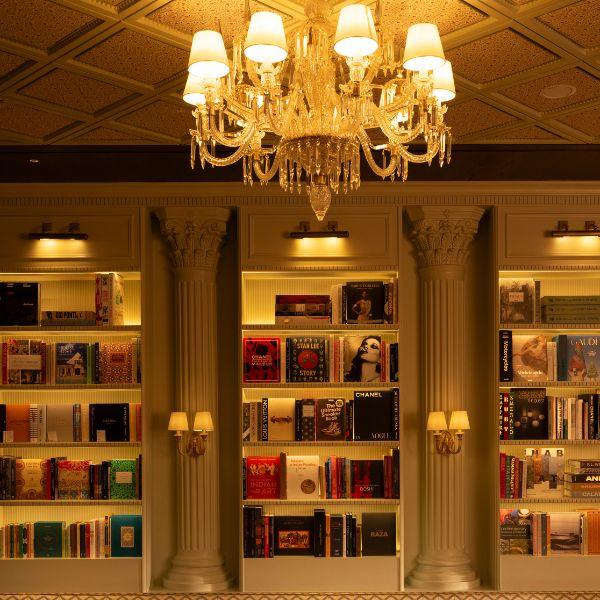
Beyond their contribution to an interior, illustrated books offer a way of experiencing subjects that are inherently visual. A volume dedicated to fashion can trace the evolution of a designer's creative language through archival photographs, sketches, runway imagery, and detailed accounts of the process behind a collection. An architectural publication can reveal the relationship between a building and its surroundings, while a photography book can transport its reader across geographies and generations through a carefully sequenced body of work. For instance, The Nita Mukesh Ambani Cultural Centre, known for bringing arts-driven experiences to Mumbai, has recently opened The Library Café. It’s a space that is lined with coffee-table books as well as a wide selection of fiction and non-fiction once you climb up a spiral staircase, and invites you to linger.
A spokesperson at NMACC noted that the physical format is integral to the experience of illustrated publishing: "The enduring appeal of printed books lies in the experience they offer. While digital platforms have transformed access to information, physical books create a more immersive and personal engagement with content, encouraging readers to slow down, explore ideas, and engage with subjects in greater depth."
As Kapoor echoes this sentiment, "There are also certain subjects that are simply best understood visually. To appreciate an artist’s practice, a photographer’s body of work, an architect’s vision, or a fashion designer’s process, the image is integral to the story."
This is what distinguishes a considered illustrated publication from a collection of attractive photographs. The sequencing of images, accompanying essays, historical references, and visual details create a narrative that encourages a deeper understanding of the subject. A book on jewellery, for instance, can reveal the craftsmanship, cultural references, and design influences behind an ornament, while a volume on textiles can introduce readers to regional techniques and traditions that might otherwise remain unfamiliar. The images draw us in, but the accompanying scholarship gives them context.
The pleasure of absorbing culture
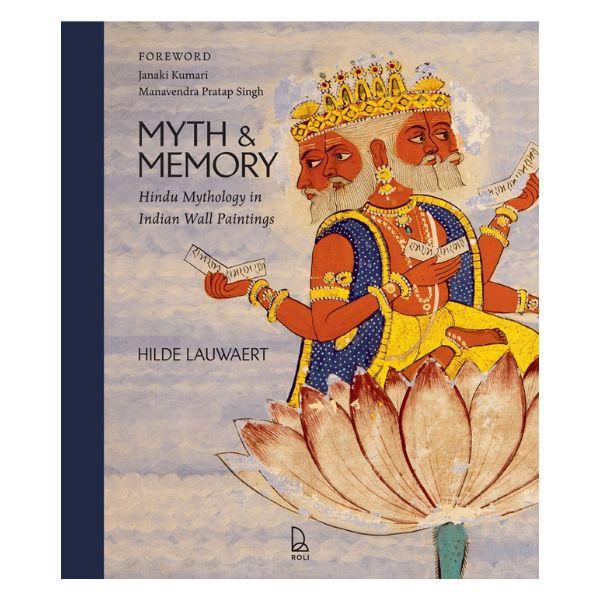
Many collectors view books as a gateway into the art world. While acquiring an original painting, photograph or design object may not necessarily be within reach, a thoughtfully produced monograph or artist book offers an opportunity to own something connected to a creative practice.
"A book can also be a very accessible form of collecting. Not everyone can acquire an important work of art or photography, but a beautifully produced monograph, signed edition, or artist book allows a much wider audience to own something connected to that artist or creative practice. Increasingly, people are seeing these books not simply as things to read, but as objects to collect, keep and return to over time," says Kapoor.
In India, this appetite for considered visual publishing is finding an increasingly engaged audience. A growing interest in galleries, museums, design exhibitions, art fairs, and independent creative practices has created space for books that document the country's artistic and cultural vocabulary.
An archive of the present
History and the origin stories of our favoured objects make for comfort reads. Simultaneously, the country's contemporary creative landscape offers an extraordinary wealth of stories, from emerging photographers and architects to experimental designers, textile practitioners, and artists reimagining traditional techniques.
This relationship between books and cultural discovery is also finding expression in new spaces. The Library brings literature, art, food, and conversation together through a thoughtfully curated collection and an evolving programme of poetry readings, storytelling sessions, book clubs, and creative workshops. Conceived as a destination for readers, creators, and the curious, it encourages visitors to engage with books beyond the act of browsing.
Its approach to coffee-table publishing places equal importance on a title's visual language, subject, and cultural contribution. As the spokesperson explains, "We view coffee-table books as important cultural expressions that encourage discovery and dialogue. Our curation considers not only the aesthetics of a book but also its subject, perspective, and contribution to the larger cultural landscape."
The beauty of slowing down
There is another reason these volumes feel particularly relevant today: the growing value of doing just one thing at a time. Our daily encounters with images are largely fleeting. Photographs appear, disappear, and are replaced before we have had the opportunity to absorb their details. A printed book offers an altogether different rhythm. Its pages can be revisited, its images studied and its essays read at leisure. There is no notification waiting in the margins, no algorithm deciding what comes next. The experience is entirely one's own.
"For the kinds of subjects we are talking about, the physical book remains extraordinarily difficult to replace. Scale, colour, paper, typography, sequencing, and the relationship between images across a spread all contribute to how the work is experienced," says Kapoor. "Digital gives us access to images; a book gives those images context, sequence, and permanence."
A collection brimming with personality
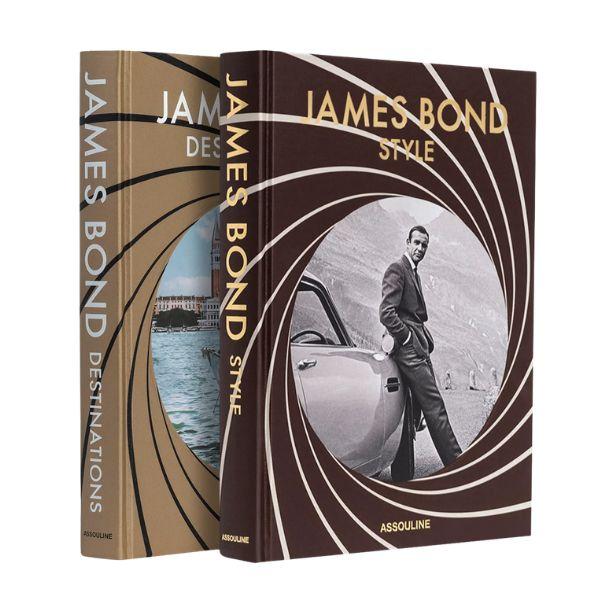
Perhaps the most satisfying aspect of owning these books is the way they gradually become part of a home's personal history. Their spines acquire the faintest signs of handling; favourite pages are returned to, certain volumes are brought out when guests arrive, and others become quiet companions during an afternoon spent at home. They are passed between friends, given as wedding presents, inherited and rediscovered. Unlike many decorative objects, their appeal does not depend on remaining untouched. The more they are opened, the more meaningful they become.
Looking ahead, the distinction between publishing and collecting may become even more fluid. Limited editions, special bindings, original prints and artist interventions are expanding the possibilities of what a book can be. "I expect we will see many more limited editions, collectors’ editions, artist books, and highly considered publications using special papers, unusual bindings, original prints and artist interventions. At the top end, the distinction between a book, an edition, and an art object will become increasingly fluid," Kapoor says.
Perhaps the enduring appeal of a coffee-table book lies in its ability to be many things at once. It can be an introduction to an unfamiliar discipline, a record of an ancient tradition, an expression of personal taste, or simply a beautiful object that makes us want to turn another page. In a world where so much is designed to be consumed and forgotten, there is something rather extraordinary about presenting an object that rewards being returned to, again and again.
Lead image: Assouline
Also read: The art of dinner party conversation and how to keep the table talking
Also read: Calm stacking is a simple way to add serenity to your day
ADVERTISEMENT
Must Read








ADVERTISEMENT