




ADVERTISEMENT
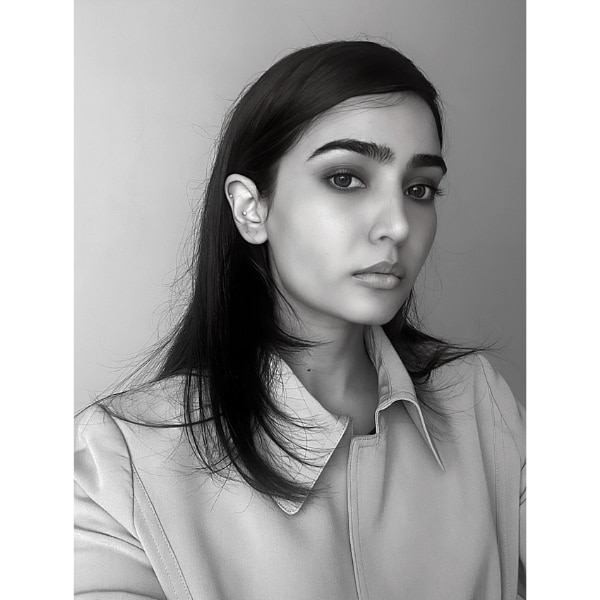
How Kanika Agarwal is creating a new language of Indian luxury in Paris
Rooted in art, philosophy, and an instinctive sense of self, Kanika Agarwal’s clothes are shaped as much by thought as by form.

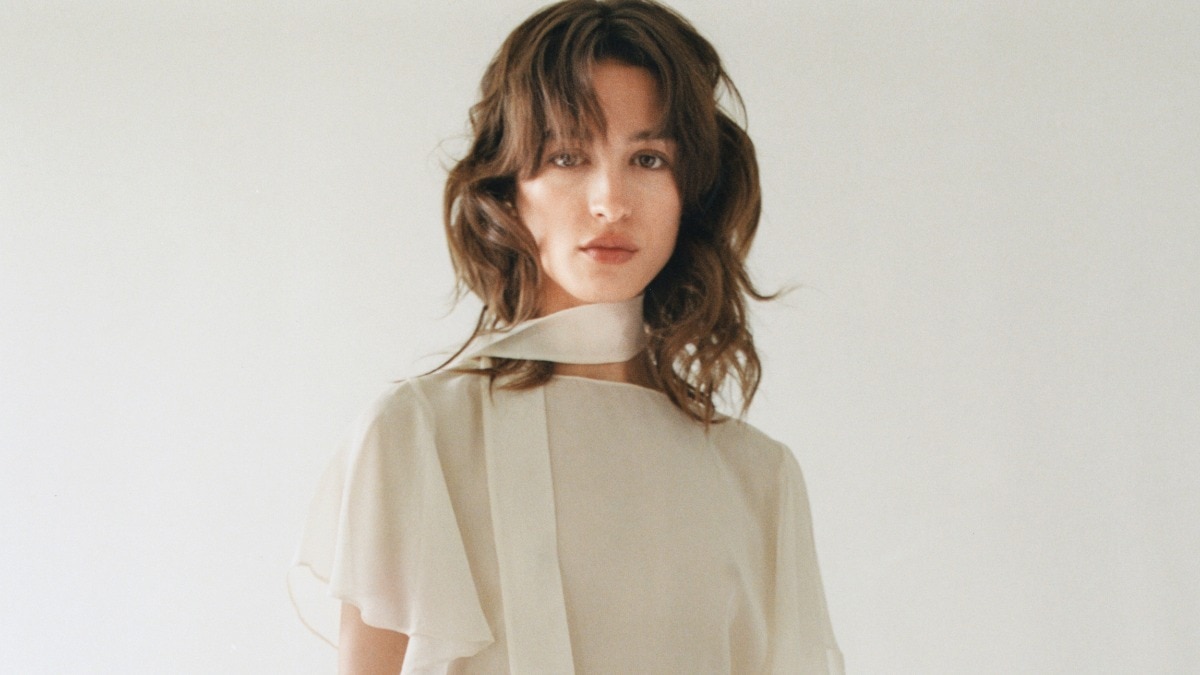
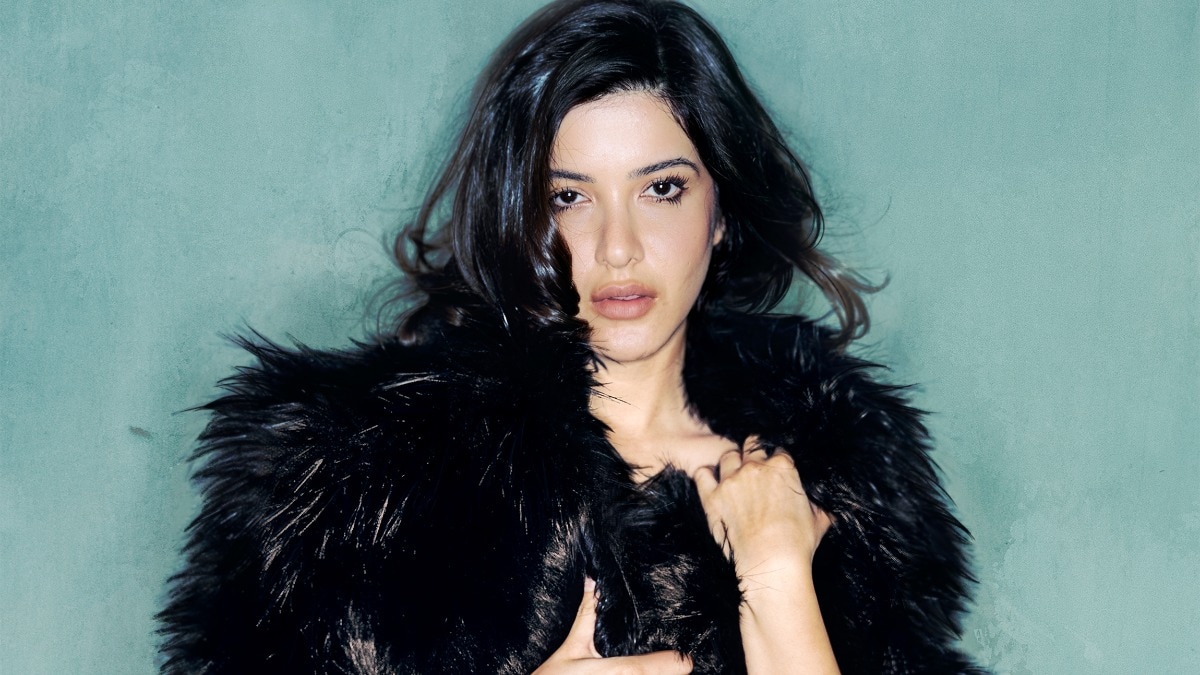
I had the privilege of being at Kanika Agarwal’s first collection launch in Paris in March during Fashion Week. As you entered the gallery space she had chosen, with Rajasthan-inspired arches greeting you at the entrance—a rare find in Paris—you were met with a room that wafted with a beautiful scent of Indian roses. The walls came dressed with images from the brand’s latest campaign, and the fashionable set of Paris, including a surprise visit from fashion veterans Suzy Menkes and Alastair McKimm, spilled onto the cobbled streets just outside.
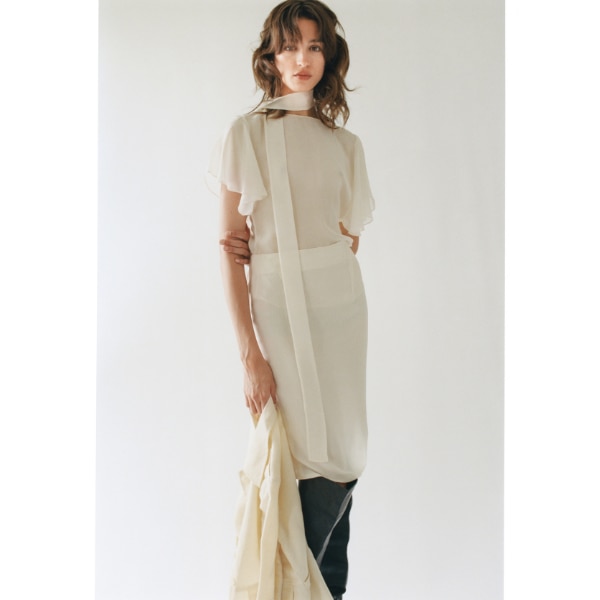
The collection on show, two years in the making, proposed a tightly edited wardrobe in the format of a vernissage at the art gallery. No models, no performances—just two racks flanked on either ends of the white-wall space. The collection held a shirt, a coat, a single evening dress, a skirt, a cape, and a few other textured, yet simple, pieces that had the trace of an artisanal hand. Each piece designed to be layered, lived in, and reinterpreted, again and again. In conversation, Agarwal traces this clarity back to art, philosophy, and an instinctive curiosity about how people live.
Harper’s Bazaar: How did fashion begin for you?
Kanika Agarwal: This is going to sound cliché, but I don’t remember a time when fashion wasn’t a focus for me—and that’s because of my love for fine arts. I was an artist in high school. I would say I was an artist before I was a designer.
I think I knew at 12 or 13 that I wanted to be a designer. I remember doing a school project about what you want to be when you grow up, and I made a recycled paper dress. I knew nothing about fashion. I was terrible at maths, and I used to tell my teacher, ‘I don’t really need maths—I’m going to be a designer’.
Later, when I started consuming literature and philosophy—I minored in philosophy at Pratt University—I began to understand that art came before fashion for me. Even now, I look at writers, artists, journalists, and the way they live before I look at fashion design as a concept. Fashion is how I translate all of that into something tactile.
HB: You studied philosophy alongside fashion— why?
KA: At Pratt, you have foundation years with a mix of arts and humanities. Philosophy just spoke to me. We studied Socrates, Epictetus. It became a way for me to escape the modern world. New York in 2015–16 was fast, everything was changing. Philosophy gave me a space to slow down, to think. I didn’t want to be just a design student. I’m very word-driven, and I take inspiration from what I read.
HB: That tension between speed and stillness really comes through.
KA: Yes, and New York itself shaped me. The art scene, the references—Andy Warhol, Patti Smith—it all feeds into this existential question of why you’re creating. That stayed with me.
Then Paris happened completely by chance. It wasn’t planned, but everything clicked—the literature, the philosophy, the culture.
HB: Tell me about your first real brush with fashion.
KA: I was studying in Paris and interviewed to help on a show. I didn’t even know which one—it turned out to be the Louis Vuitton Fall/Winter 2018 show at the Louvre. That changed everything. The museum was closed, it was just the team. I even got to see the Mona Lisa with no one there. But more than that, it was the scale and the legacy. Coming from New York, which felt more conceptual, this was heritage and craftsmanship. I realised very quickly that this is what I wanted—to be part of this world.
I trained as a designer, so that was always the path. I later worked at Saint Laurent—it was incredible. You see how hard everyone works to build these collections. I worked in tailoring, which gave me a completely different perspective. At Lanvin, you dive into archives—history, meaning, why women dressed the way they did. Those experiences shaped my understanding of dress—not just as clothing, but as intention and purpose.
HB: When did you know you wanted to start your own brand?
KA: I always knew, but I didn’t plan it. I went home for two months, developed five pieces, came back to Paris, showed them to people, and it just grew organically. There was no big strategy—it just took on a life of its own.
HB: The collection feels very considered, almost like a system.
KA: That came from an exhibition at MoMA titled Items. It looked at foundational pieces in fashion history, very practical and purposeful. So I approached my collection the same way: a shirt, a coat, a skirt, one evening dress. Pieces that can be mixed, layered, interpreted in different ways. What’s so exciting is you can break and mix them and really do a million interpretations of those pieces because it’s so basic. I wanted it to feel like a wardrobe for a woman with a life—easy, functional, thoughtful.
HB: How would you describe the ‘Kanika’ woman?
KA: She’s kind and self-aware. There’s a reason behind how she dresses. I don’t believe in dressing for embellishment. Clothes should support the life you already lead. They should be comfortable, lived in, an extension of your personality. It’s almost like a self-portrait.
HB: And everything is made in India?
KA: Yes. That’s been incredibly fulfilling—working with artisans who have far more instinctive knowledge than I do. It’s intergenerational, intuitive.
HB: You’ve lived between Delhi, New York, and Paris. What does home mean now?
KA: It never really leaves you. When I first moved, I thought I was losing everything. I was 17, homesick, overwhelmed. But then you realise it’s still there. It doesn’t go away. Even now, when I go back, I’m still the same person I was in high school. That’s comforting.
HB: It feels like you’re connecting the dots in real time.
KA: Yes, and I don’t want to lose that. When you’re a student, you don’t realise what will stay with you. But then, years later, it all comes together—and you see that nothing was wasted.
All images: The brand
This article originally appeared in Harper's Bazaar India's April-May 2026 print issue.
Also read: From Satya Paul to Chanel, the fashion world’s latest moves and milestones
Also read: Elsa Schiaparelli’s most iconic designs come alive at the V&A in London
ADVERTISEMENT
Must Read



ADVERTISEMENT