




ADVERTISEMENT
What does luxury hospitality mean to Gen Z?
We ask young folk and industry experts how the concept of luxury hospitality has evolved over the years and what it is today.

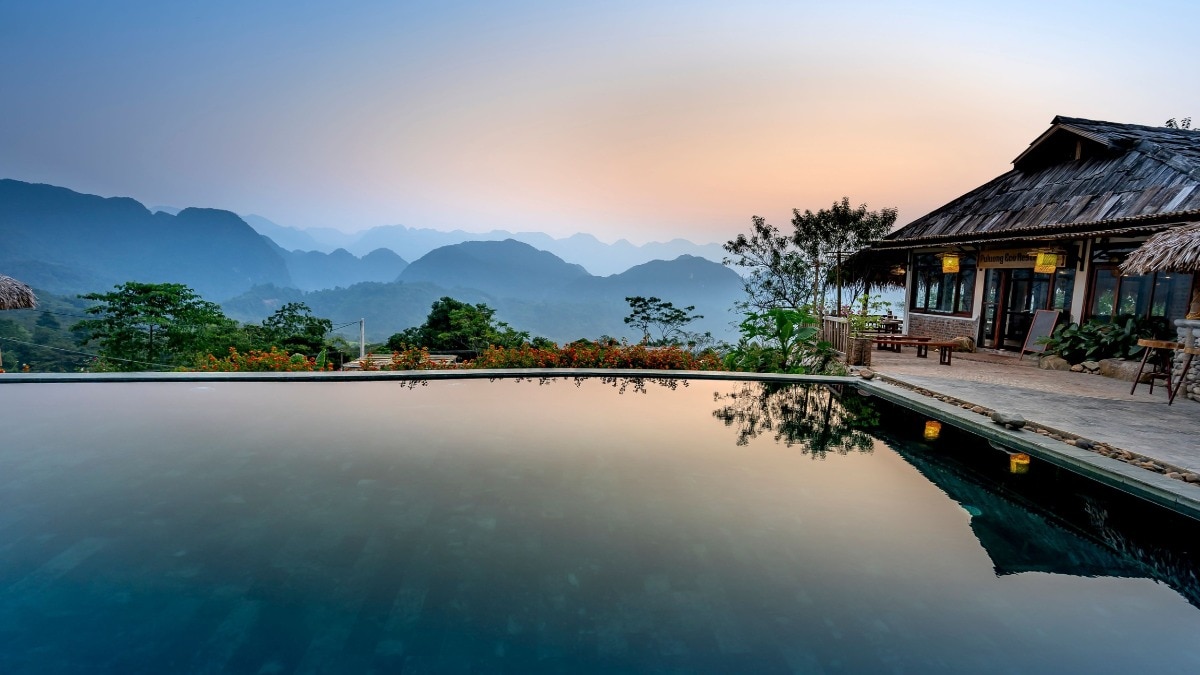
Truth be told, luxury hospitality has long been associated with a certain degree of ostentatiousness that’s often hard to swallow. While qualities of exclusivity, novelty, and formality still have their place, experts opine that young travellers are challenging notions that luxury must be defined by them. “For Gen Z, I see a growing emphasis on authenticity, personal freedom, emotional connection, and experiences that reflect individual values. Luxury today might very well mean an extraordinary culinary experience, discovering marine life on a house reef, or simply having the freedom to disconnect from everyday pressures,” says Liz Smailes, director of marketing, Grand Park Kodhipparu Maldives. Historically, hospitality departments have tended to operate within their own specialisms.
The spa promotes treatments, watersports promotes excursions, and restaurants promote dining. Fast forward to today, and the onus is on creating a narrative that connects different moments of a stay. Thus, unsurprisingly, the future of luxury hospitality lies in moving beyond selling individual facilities and towards curating experiences that guests would find difficult to assemble independently. “And rightly so, as their value comes from the relationships between people, place, and purpose,” she avers.
Rooted in feelings of ease and personal relevance
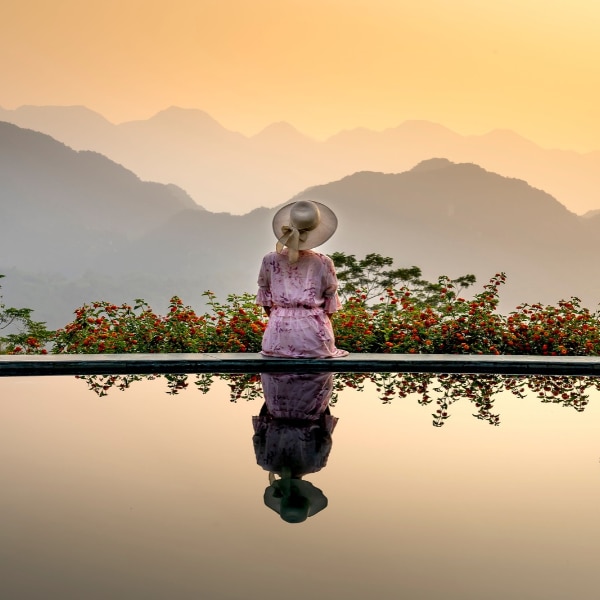
Since it’s worth noting how younger travellers are also highly sensitive to authenticity and meaning, the perspective comes with a caveat: They are often less interested in traditional symbols of luxury and more interested in experiences that feel genuine, culturally rich, and personally relevant. “They want stories they can tell. The challenge for luxury hospitality is therefore to create experiences that are both socially shareable and deeply meaningful. The most successful properties manage to deliver both,” avers Florent Girardin, associate professor of marketing, EHL Hospitality Business School. The biggest change has been a shift from a product-centric approach to an experience-centric one.
In the past, luxury hospitality often focused on tangible indicators of quality such as facilities, amenities, and service standards. While these remain essential, younger luxury consumers expect something more. “Young guests increasingly expect personalisation, but they do not want to feel that they are being monitored or manipulated by technology. When a guest is welcomed with a preferred room type, favourite beverage, or an activity recommendation based on previous discussions, the experience feels thoughtful rather than engineered. The personalisation feels sincere because it reflects human attention and care. Technology should support these interactions, but it should remain invisible,” infers prof Florent.
Love is in the little things
Echoing a similar stance is Shriharsha Atyam, a Luxury Experience Management student, who shares that the new-age luxe hospitality is indeed all about being present, appreciating the little details, and making time to truly experience and enjoy each moment. “For me, exceptional service is about truly knowing and understanding a guest. It means remembering their preferences and anticipating their needs, even years after their last visit. For example, if I enjoy coconut water and a local dessert during a summer stay, finding those familiar touches waiting for me when I return makes me feel genuinely valued. At the same time, exceptional service means knowing when to give guests space. Luxury should allow people to disconnect, reflect, explore their own interests, and simply be themselves.”
For Aditi Singh, a 26-year-old communications professional, the idea of luxe hospitality being larger-than-life is something she personally doesn’t relate to anymore. “My expectations from luxury hospitality are centred around thoughtfulness and effortless personalised experiences, without trying too hard as the novelty wears off. I would also want a hotel stay to feel like an experience in itself, whether that’s through great food, activities, or unique local cultural experiences. Ultimately, it’s about the little details that make a stay memorable and leave you feeling genuinely taken care of.”
Intertwining emotional connection with experiences is key

The challenge for luxury hospitality providers is therefore to create emotionally charged moments. A beautiful setting may generate a post, but an unexpected gesture, a meaningful personal connection, or a unique experience can generate lifelong memories. “The experiences that guests remember years later are rarely the ones that looked the best on social media; they are the ones that made them feel something profound. The most successful luxury properties understand that emotional impact, rather than visual impact, is the true driver of memorable experiences,” concludes Prof. Florent Girardin.
Ultimately, the future of luxury hospitality is less about how much a property can offer and more about how thoughtfully it can make a guest feel. As younger travellers redefine what it means to travel well, the emphasis is shifting towards meaningful connections, considered details, and experiences that linger long after check-out. After all, true luxury may no longer be about being surrounded by extravagance, but about feeling understood, at ease, and free to experience a place on your own terms.
Lead image: Pexels
Also read: Forget Goa and the Maldives, this quiet Arabian Sea stretch is made for slower escapes
ADVERTISEMENT
Must Read




ADVERTISEMENT