AR Rahman is still searching for new possibilities in music
The Oscar-winning musician continues to approach his craft with curiosity and bring different musical experiences to audiences through the Wonderment Tour.

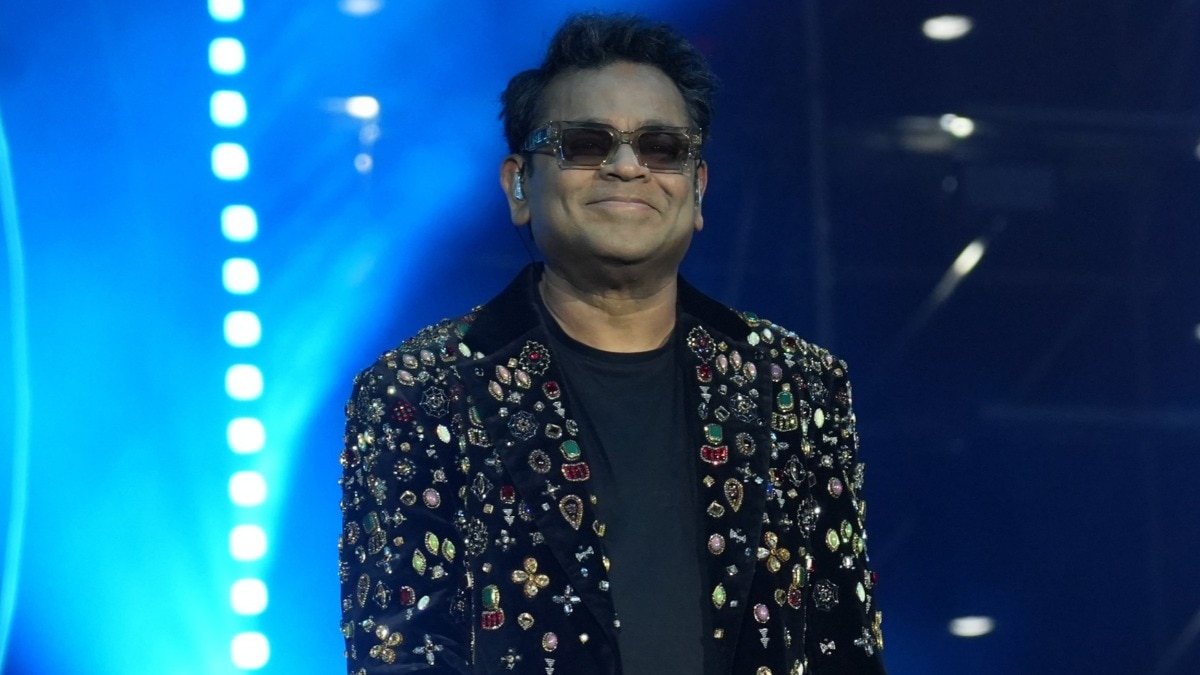
For AR Rahman, creative success has little to do with settling into a familiar rhythm. Even after more than three decades in the music industry, the composer continues to approach his work with the curiosity of someone just starting out. There are new sounds to explore, different musical traditions to interpret, and possibilities he feels he has only just begun to discover.
When asked what prompted him to start making music, Rahman recalled feeling bored with the music around him at the time. Having spent nearly a decade playing for films before making his debut as a composer, he wanted to explore what else Indian film music could sound like.
In an interview with Harper's Bazaar India, he credited filmmaker Mani Ratnam, who became an important mentor, with recognising his potential and bringing his work to a wider audience. Following that initial success, Rahman consciously slowed down, turned down several projects, and took his time building his musical identity.
That instinct to avoid repetition continues to shape his approach today. Rahman admitted he does not want to keep doing the same thing, whether in music or even in the way he answers questions in interviews. His work moves across genres and languages, drawing from classical, folk, and Western influences, depending on the demands of a film and its director.
The same openness informs his relationship with older compositions. Performing live gives him the opportunity to revisit familiar songs, sometimes preserving their original arrangements, and at other times deconstructing them entirely. As he pointed out, audiences can always return to recordings on streaming platforms. But a concert offers something different: the experience of seeing musicians interpret the music in real time. The energy of thousands of people singing together, he believes, is something a recording studio cannot recreate.
And this philosophy finds expression in his Wonderment Tour, which brings together different facets of Rahman's musical identity. Alongside the tour, he is exploring orchestral arrangements of his compositions through collaborations with symphony orchestras, while his Sufi concerts revisit some of his spiritual music.
For Eva Live, which brought the concert experience to life, the focus is on translating the composer's vision into a live production without imposing a fixed creative format. "Our role is to understand the artist's vision, musical preferences, and performance requirements, and then build the live experience around them. Every artist has a distinct identity, and we believe the production should complement and amplify that individuality rather than fit into a predefined format," the team shared.
It added that creating a memorable concert experience is about giving the artist creative freedom while ensuring audiences experience the music in the most immersive way possible.
For someone whose compositions have become part of the cultural memory of several generations, Rahman's relationship with his legacy remains uncomplicated. He believes every project deserves the same commitment, regardless of its scale or commercial prospects. And perhaps that explains why, even after 34 years, he feels there is still so much left to do and learn. His creative journey is less about looking back at what he has achieved and more about remaining curious about what comes next.
Lead image: Getty Images
Also read: Athiya Shetty is in no rush to return to cinema
Also read: Janhvi Kapoor on ambition, identity, and living a full life