




ADVERTISEMENT
This metal artist believes iron connects us to the earth—and each other
Abigail Lucien created a foundry, complete with a functional furnace, for their solo show, “Blood of the Earth,” at the Art Institute of Chicago.

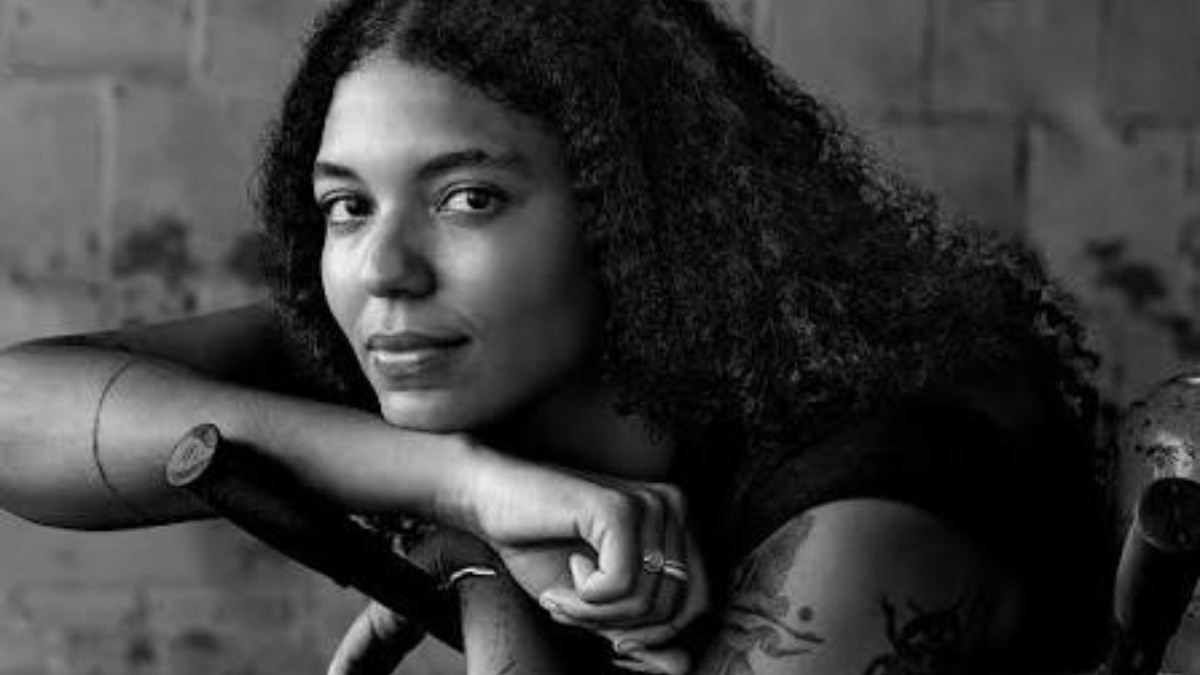
Abigail Lucien didn’t always feel at home in the metalworking community. Sculpture workshops and foundries, often overwhelmingly masculine and white, once felt uninviting to the now celebrated Haitian-American artist. “My first introduction to sculpture shops was not the most welcoming as a queer Black woman,” Lucien tells Bazaar on a video call. “I didn’t see anyone who looked like me. I felt I didn’t have many opportunities in those spaces.” That is, until a friend, the sculptor Devin Balara, encouraged Lucien to come to the studio one day in 2014 and started teaching them. “When she brought me into a metal shop and was like, ‘I’ll show you this,’ there was something about being taught my skills by another femme person that was radical for me,” Lucien recalls. That invitation changed their life.
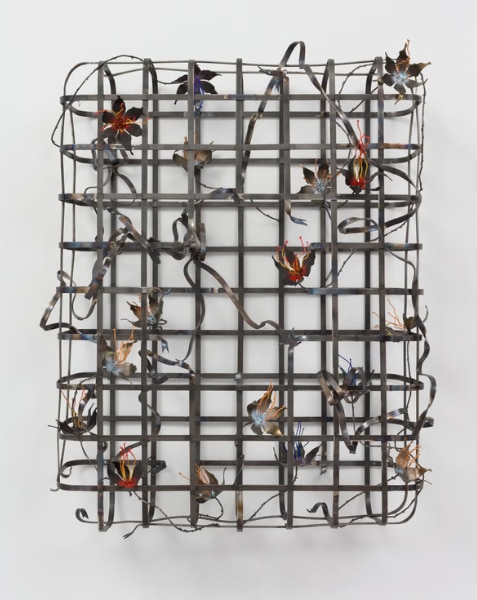
Since then, Lucien has been devoted to metal, specifically iron. Over the last decade, the New York–based sculptor has become increasingly recognised for their intricate metal gates and cages, often adorned with glowing red flora and mythological fauna, but also Haitian butterflies and country dogs deployed as narrative motifs to evoke their ancestry or investigate colonialism. But now, the artist tells me, they’re turning their attention to the creation process and the material of iron itself.
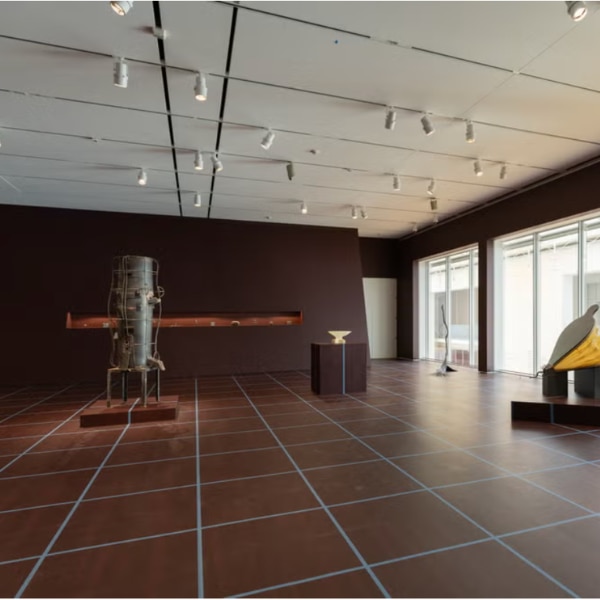
In June, Lucien opened their largest museum show to date: “Blood of the Earth,” on view at the Art Institute of Chicago through January 25, 2027. The show sees Lucien intentionally consider the value of community for metalsmiths and the collaborative nature of the work, which often requires groups of people to successfully melt and mould the iron. That’s why, rather than simply presenting a series of sculptures, they transformed the museum gallery space into a full foundry, complete with a functional iron furnace at its centre.
“I’ve stood on business about community when it comes to ironworking,” Lucien says. “You have to choreograph together. You have to be in collaboration and communication while you’re working with this molten material, creating—quite literally—a small bomb inside of a steel cylinder.”
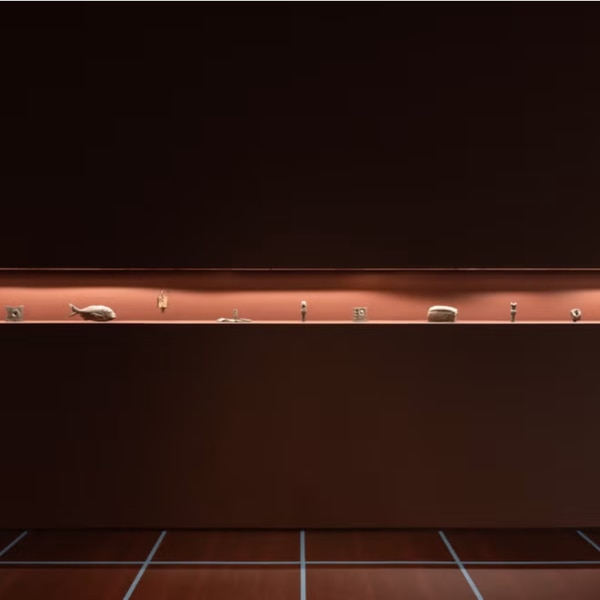
The cylindrical steel furnace at the center of “Blood of the Earth” is titled Manman Ogou (2026), after the “mother of Ogou,” the matriarch of a vodou spirit associated with iron and blacksmithing. It’s a fitting name, because the fully functional furnace gave birth to many of the sculptures that surround it. Smaller cast-iron works representing everyday food items, like red snapper or eggs, line the back wall of the gallery, emphasizing the presence of iron at every level of our life.
Like any good hearth, Manman Ogou evokes the link between “the maker and the made,” as Lucien puts it. This idea is key to the title “Blood of the Earth,” which orients blacksmithing within both cosmology and biology. “The way that iron has come to be on earth is really embedded in the way our planet was formed. All of the iron on earth is older than our sun,” they explain. “I’m also thinking about how iron functions as a mineral in our bodies, as it circulates in our bloodstream to carry oxygen. The blood of the earth and the blood of the body can retain this memory for billions of years.”
Before Balara introduced them to metal, Lucien first picked up printmaking as a “protest art form” while studying as an undergrad at Florida State University. “I found out that I was really attracted to places and workspaces that involve community and that I was really interested in practices and ways of working that were very process-oriented,” they say.
Metalwork gradually folded into this practice because Lucien was searching for a “new form of thinking or moving in space.” Then, shortly after they began working with iron, they returned to their hometown in Cap-Haïtien, Haiti, a country known for its intricate, handcrafted metalwork. “It felt like my eyes were fully opened again because I had realized that this thing that I had been naturally attracted to was so deeply embedded in my culture and in my ancestry,” Lucien says.
They even encountered it in their childhood bedroom. “When my dad was building our house when I was really young, he had asked me, ‘What do you want your room to look like?’” They recall. “I said I wanted it to be a circle, and the way they interpreted it, my room had this circular gate.” In many ways, they consider their metal art today to be a “love letter” to their father and their relationship.
The collection of pieces that make up “Blood of the Earth” does read as small love letters or, really, totems. These miniature sculptures—ranging from food items, such as in Two Round Crackers (2026), to body parts, as in the ear represented by swage (confidant) (2026)—carry an intimacy in their scale. Meanwhile, a set of handcrafted tools surrounds the furnace, welcoming viewers into Lucien’s artistic community and the foundry they once found unapproachable. “The idea is to think, in a real and mythological way, about how iron connects us, our histories, and different bodies of people,” they say.
According to Lucien, when you visit a foundry, the metalworkers—or “foundry guys,” as they call them—will often rope you into tasks, sometimes ordinary, but occasionally as intense as pouring the molten iron. These days, Lucien is the one pulling people in through their work as a professor at Hunter College and as a metallurgy teacher. Now that they’ve built their own foundry inside the Art Institute of Chicago, they tell me, assuredly, “I am the foundry guy now.”
This article originally appeared on Harpersbazaar.com/US in July 2026.
Lead image: Grace Roselli
Also read: National Film Awards 2026 winners: 'Article 370', Kartik Aaryan, and Mammootty lead the honours
Also read: Emmys 2026 nominations: 'The Pitt', Zendaya's 'Euphoria' nod, and more
ADVERTISEMENT
Must Read



ADVERTISEMENT